
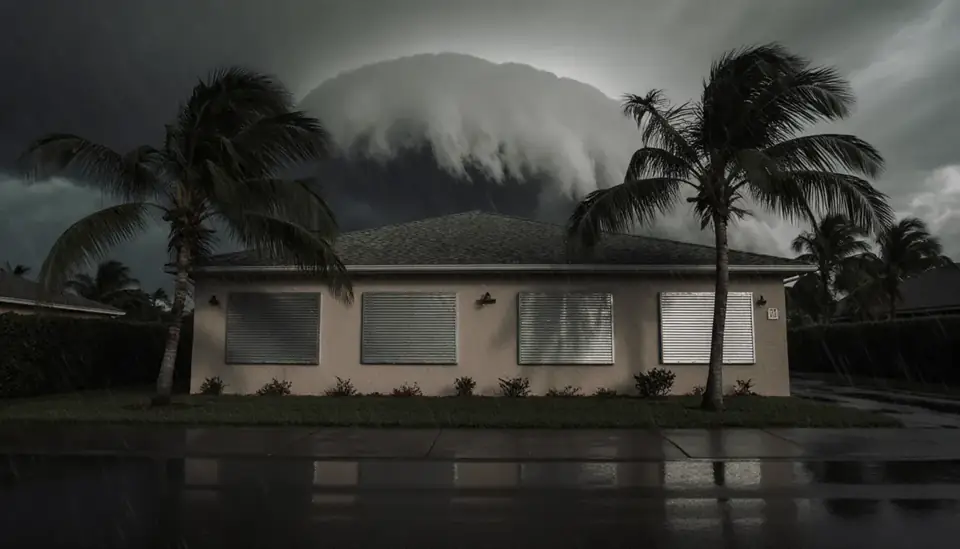
South of Montauk Highway, Copiague breaks into three fingers of land that reach toward the Great South Bay: Amity Harbor, Copiague Harbor and American Venice. Those peninsulas put a lot of houses within a short walk of bay water, while the streets north of the highway sit higher and drier, around the hamlet's 23-foot average elevation. The result is a community where two neighbors a mile apart can face very different water problems, one from tidal and storm flooding, the other from a failed supply line or a basement that takes in rain.
The Restoration Job does not do restoration work itself; it runs a free 24/7 referral line. Call (888) 317-9980 and we'll connect you with an independent restoration provider that serves Copiague and the rest of the Town of Babylon.
How the call works: when you call (888) 317-9980, The Restoration Job connects you with an independent restoration provider that serves Copiague. That provider inspects the damage, explains the scope and quotes the work. The Restoration Job doesn't perform restoration itself. Read our referral disclosure.
Three Bayfront Peninsulas and the Surge Zone
Roughly a sixth of Copiague's 3.71 square miles is water, according to census figures summarized on Wikipedia, and most of that water sits along the southern peninsulas. Homes in Amity Harbor, Copiague Harbor and American Venice back onto the bay or onto the channels between the points, which means a strong onshore wind and a high tide can push water into yards, garages and lower levels without any rain at all.
During Hurricane Sandy in October 2012, mandatory evacuations covered surge zone areas in the Town of Babylon, and around 100,000 homes across Long Island were damaged, destroyed or severely flooded. Suffolk County's storm surge zone map notes that surge zones are not limited to oceanfront property, so anyone south of Montauk Highway should look up their address before hurricane season rather than after a storm warning.
North of Montauk Highway: Basements, Boilers and Burst Pipes
Copiague had 8,024 housing units at the 2020 census, and much of that stock is single-family housing on the higher ground toward North Amityville. Here the usual culprits are internal: a water heater or boiler that lets go in the basement, a washing machine hose, a slow leak under a kitchen sink that soaks a subfloor for weeks. Islip's airport station, the closest long-term weather record, averages about 32 inches of snow a season, and cold snaps between November and April are when uninsulated pipes along exterior walls and in crawl spaces tend to split.
A basement leak that is caught early is usually a matter of water extraction, removing wet carpet and pad, and drying the framing with dehumidifiers. Finished basements with drywall to the floor take longer, because the lower few inches of wallboard and insulation often have to come out so the wall cavity can dry.

What Happens After Bay Water Gets Inside
Salt water from the Great South Bay behaves differently from a clean pipe leak. It leaves residue in framing and insulation, corrodes metal fasteners and electrical components, and usually carries silt and debris. For a home on one of the peninsulas, a typical flood cleanup follows a sequence like this:
- Keep the power off to flooded circuits until an electrician says otherwise, and do not relight a boiler or water heater that sat in water.
- Photograph every room, the waterline on the walls, and damaged contents before anything is thrown out.
- Remove saturated drywall, insulation and flooring, then rinse and clean the exposed framing.
- Dry the structure with air movers and dehumidifiers, checking moisture readings until materials reach normal levels.
Remember that a standard homeowners policy generally does not cover flood water. Flood coverage is a separate policy, so call your agent and the flood carrier, if you have one, before the cleanup starts.
Damp Air off the Bay and Mold in Closed-Up Rooms
Summer humidity along the South Shore keeps the air moist, and bayfront basements and crawl spaces rarely dry out on their own. After a leak or flood, mold can begin growing on wet drywall, paper-faced insulation and wood within a couple of days. Closed-up seasonal rooms, storage areas under stairs and the backs of finished basements are where it tends to show up first.
A homeowner can usually wipe up a few small patches on tile or a painted surface. Larger growth, recurring musty odors, or mold that returns after a cleaning usually means hidden moisture is still feeding it, and that calls for a moisture investigation and proper mold remediation rather than paint or bleach.
Nor'easters, Wind and Long Power Outages
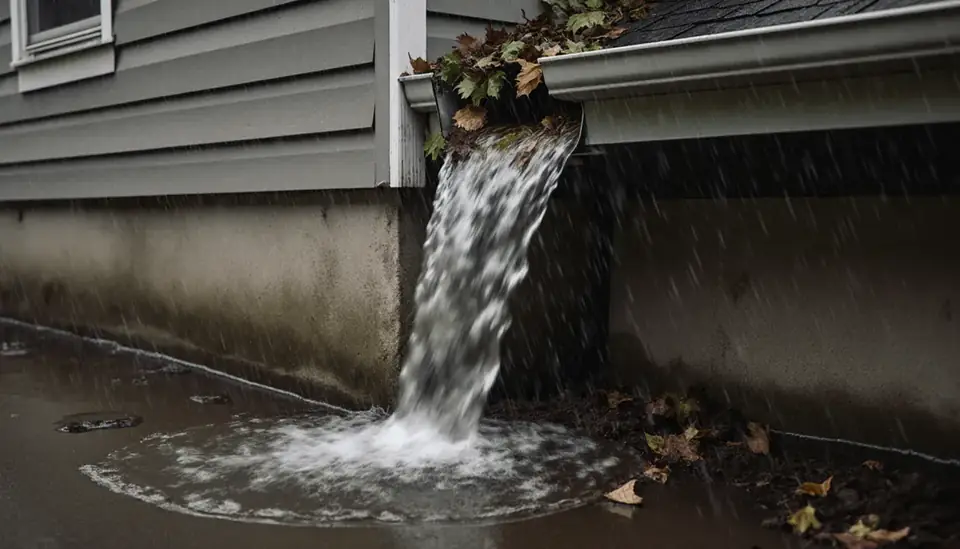
Not every storm that damages a Copiague house is a hurricane. Nor'easters can stack tides in the bay for several cycles in a row and drive rain sideways into siding, windows and flashing. Wind-driven roof leaks often show up as stained ceilings days later. Sandy also showed how long the lights can stay off: more than 900,000 Long Island Power Authority customers lost power at the peak. Without power, sump pumps stop and dehumidifiers sit idle, so a home that took in a few inches of water can develop a much larger moisture problem before drying even begins.
Where Callers in the Copiague Area Are
Calls come in from across Copiague, including:
- Amity Harbor
- Copiague Harbor
- American Venice
The same line also serves nearby communities such as:
- Amityville
- North Amityville
- Lindenhurst
- West Babylon
- Babylon
Common Questions
My house is in Amity Harbor or American Venice. Am I in a flood zone?
Possibly, but check rather than guess. FEMA's Flood Map Service Center shows the official flood zone for your address, and Suffolk County's storm surge zone map shows evacuation zones. The two serve different purposes: flood zones affect insurance and building rules, while surge zones tell you whether to leave before a hurricane. Homes on all three Copiague peninsulas sit close to the Great South Bay, so both maps are worth checking.
Does homeowners insurance pay for water that came in from the bay?
Usually not. Standard homeowners policies typically exclude flood water from tides, storm surge or overland runoff, and flood coverage comes from a separate policy, often through the National Flood Insurance Program. A burst pipe or failed appliance inside the house is a different kind of claim. Call your agent early, document everything with photos, and keep receipts for any emergency work.
How quickly should a wet basement in Copiague be dried out?
As soon as possible. Mold can start on wet drywall, carpet pad and wood within roughly 24 to 48 hours, especially in humid summer weather near the bay. Removing standing water the same day and getting dehumidifiers running is the most effective step. Call (888) 317-9980 and we'll connect you with an independent provider in the area who can assess the space.