
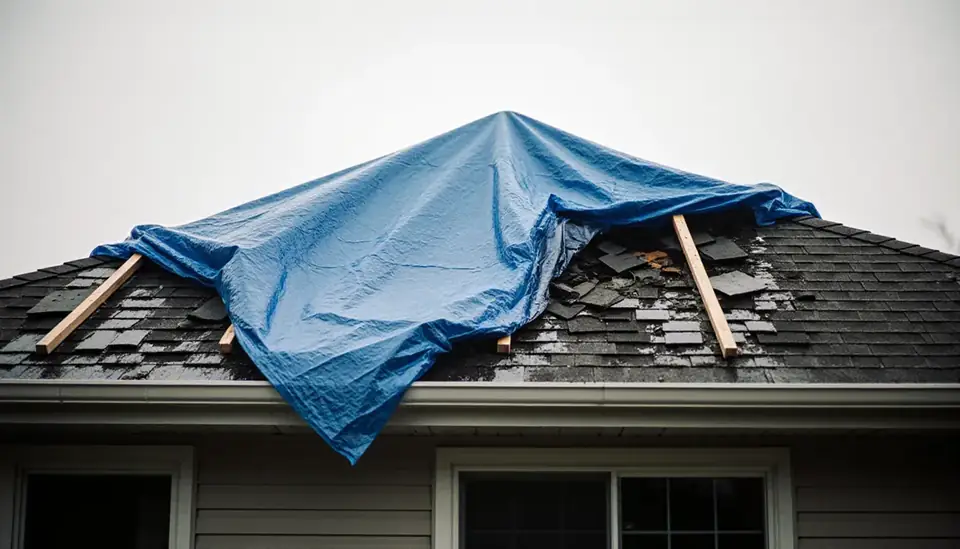
Babylon village sits barely above sea level. Wikipedia lists its elevation at about 6.6 feet, and the Great South Bay forms its entire southern edge, with the Carlls River and Sumpawams Creek running down through the village to meet it. That low profile is the single most important fact for anyone dealing with water in a home here: storm tides, heavy rain and a rising water table can all arrive at once.
The Restoration Job is a free, 24/7 referral service and does not send its own workers. Call (888) 317-9980 and we'll connect you with an independent restoration provider that works in Babylon and nearby South Shore communities.
How the call works: when you call (888) 317-9980, The Restoration Job connects you with an independent restoration provider that serves Babylon. That provider inspects the damage, explains the scope and quotes the work. The Restoration Job doesn't perform restoration itself. Read our referral disclosure.
Six Feet Above the Bay: Sandy and the Village Waterfront
When Hurricane Sandy came ashore on October 29, 2012, many residences and businesses in Babylon village suffered major flood and wind damage. Mandatory evacuations covered the surge zone areas of the town, and across Long Island around 100,000 homes were damaged, destroyed or severely flooded. Streets near the bay and the creek mouths took water first, and in a village this low, water that overtops a bulkhead does not have far to travel before it reaches a living room.
Surge risk is not just a beachfront concern. Suffolk County's storm surge zone map points out that zones extend around inland bays as well as the ocean shore, and the county's address lookup is the quickest way to learn whether your block is included.
Carlls River, Southards Pond and Rain That Has Nowhere to Go
The Carlls River feeds Southards Pond, a man-made pond that once supplied drinking water and ice and now serves as a wooded town park. Like Sumpawams Creek to the west, it carries rain from the land north of Sunrise Highway toward the bay. During a long downpour that coincides with a high tide, the lower stretches of these waterways can back up, and nearby storm drains drain slowly or not at all.
For homes near the river corridor or the creek, that pattern shows up as water seeping through foundation walls, standing water around oil tanks and boilers, or a sump pump that cannot keep pace. Groundwater that enters this way is usually clean, but it soaks carpet, drywall and stored belongings just as thoroughly, and it needs prompt structural drying to keep framing and subfloors from staying damp.

Old Village Streets and Owner-Occupied Homes
Babylon was incorporated in 1893, and its First Presbyterian Church traces back to 1730, so the village has a long building history around its downtown and LIRR terminal. Census figures show about 78 percent of homes are owner-occupied and roughly 15 percent of units are in multi-unit buildings. In practice, most water calls here involve a single-family house where the owner makes the decisions, though apartments over storefronts and small multi-family buildings bring the added question of whose leak reached whose ceiling.
Inside the house, the common sources are familiar: a failed water heater, a frozen pipe in an exterior wall after a January cold snap, a toilet supply line, or ice damming at the eaves after snow. Each one is easier to handle if the main shutoff valve is easy to find and works, so it is worth testing yours before winter.
Cleaning Up a Flooded Lower Level, Step by Step
The order of work matters more than the speed of any single step. A sensible sequence for a South Shore basement or ground floor:
- Stay out of standing water until power to that level is off, and keep gas appliances that were submerged shut down until a technician inspects them.
- Call your insurance agent. Flood water from the bay or river is normally covered only by a separate flood policy, while a burst pipe falls under a homeowners claim.
- Take photos and video of water depth, damaged contents and the waterline on walls.
- Have the water pumped out, then remove wet carpet, pad, drywall and insulation that cannot be dried in place.
- Dry and monitor the structure until moisture readings return to normal before rebuilding.
A provider handling flood cleanup after a tidal event will also treat surfaces exposed to salt and silt, since the residue keeps attracting moisture if it is left behind.
Bayside Humidity and Mold in Babylon Basements
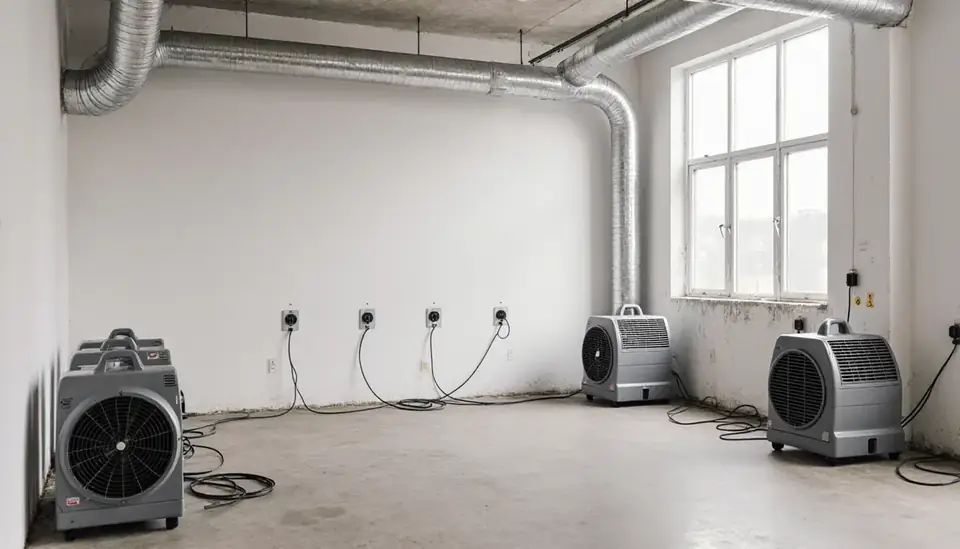
A low-lying village beside a bay rarely has dry air in summer. That makes basements and crawl spaces here slow to dry naturally, and a leak that would evaporate in a drier climate can lead to mold within a few days. Watch for musty smells in closets on outside walls, staining on the lower edge of drywall and warped baseboards. When growth covers more than a small patch, or keeps coming back, the source of moisture has to be found and fixed before any mold cleanup will hold.
Areas In and Around Babylon
The same line also serves nearby communities such as:
- West Babylon
- North Babylon
- West Islip
- Lindenhurst
- Copiague
- Bay Shore
Frequently Asked Questions
Is all of Babylon village at risk from storm surge?
Not every lot carries the same risk, but the village averages only about six and a half feet above sea level and borders the Great South Bay, so much of it is exposed to tidal and storm flooding. Use FEMA's Flood Map Service Center for your official flood zone and Suffolk County's storm surge zone map for evacuation planning. Blocks near the bay and the creek and river mouths are generally the most vulnerable.
Water is coming up through my basement floor after heavy rain. Is that a flood claim?
It depends on how the water entered and on your policy wording. Groundwater seepage and surface water are often excluded from homeowners coverage, and flood policies have their own rules for basements. Document the damage, ask your agent how the policy applies, and start drying promptly so a coverage question does not turn into a mold problem.
Can someone help the same night a pipe bursts?
The referral line at (888) 317-9980 is answered 24/7. We connect you with independent restoration providers serving Babylon, and many of them offer emergency service, though availability varies. Meanwhile, shut off the main water valve, turn off power to wet areas if it is safe to do so, and move valuables to a dry floor.