

Settled in 1643 and incorporated as a village in 1853, Hempstead is the oldest English settlement in what is now Nassau County and, with about 59,000 residents, the most populous village in New York State. It packs those people into under four square miles, around 16,000 per square mile, so apartment buildings, two-family houses and older homes stand close together around the downtown and the Rosa Parks Hempstead Transit Center. There is almost no surface water inside the village limits. Water damage here comes mostly from pipes, appliances, roofs and heavy rain that the ground and the storm sewers cannot absorb quickly enough.
The Restoration Job connects callers with independent restoration companies; we are a referral line and do not perform the work. Call (888) 317-9980 any time for help finding a provider that serves the village and the surrounding Town of Hempstead.
How the call works: when you call (888) 317-9980, The Restoration Job connects you with an independent restoration provider that serves Hempstead. That provider inspects the damage, explains the scope and quotes the work. The Restoration Job doesn't perform restoration itself. Read our referral disclosure.
Flat Ground on the Old Hempstead Plains
The village sits on what was once the Hempstead Plains, a broad, flat prairie formed by glacial outwash more than ten thousand years ago. Today it is almost entirely paved and built over. Flat terrain and large areas of roofs, parking lots and streets mean intense summer thunderstorms can briefly overwhelm curb drains, leaving water standing at intersections and against building foundations. Basements, below-grade entrances and window wells catch that water first.
Just south of the village, the Mill River, also called Hempstead Creek, was dammed long ago to form Hempstead Lake in West Hempstead, the largest freshwater lake in Nassau County. A state project finished in 2023 reworked the park's northern ponds to reduce flood risk as part of the Living with the Bay resiliency initiative, a sign of how seriously the region takes stormwater along this corridor.
Leaks That Travel Between Apartments and Two-Family Homes
In a dense village, one leak rarely stays in one unit. A cracked toilet supply line, an overflowing washing machine or a failed water heater on an upper floor can soak ceilings and walls in the unit below. In two-family houses, the upstairs and downstairs households may have different insurers, or one may be a renter with no contents coverage at all.
A few practical points for multi-unit situations:
- Find and close the nearest shutoff valve, or the building main, and tell the landlord or superintendent immediately
- Photograph the source and every affected room before anything is moved
- Tenants should check whether they have renters insurance; the building owner's policy usually covers the structure, not your belongings
- Ask that wet ceilings be checked for sagging before anyone stands under them
Fast water extraction limits how far water wicks into neighboring units and walls.
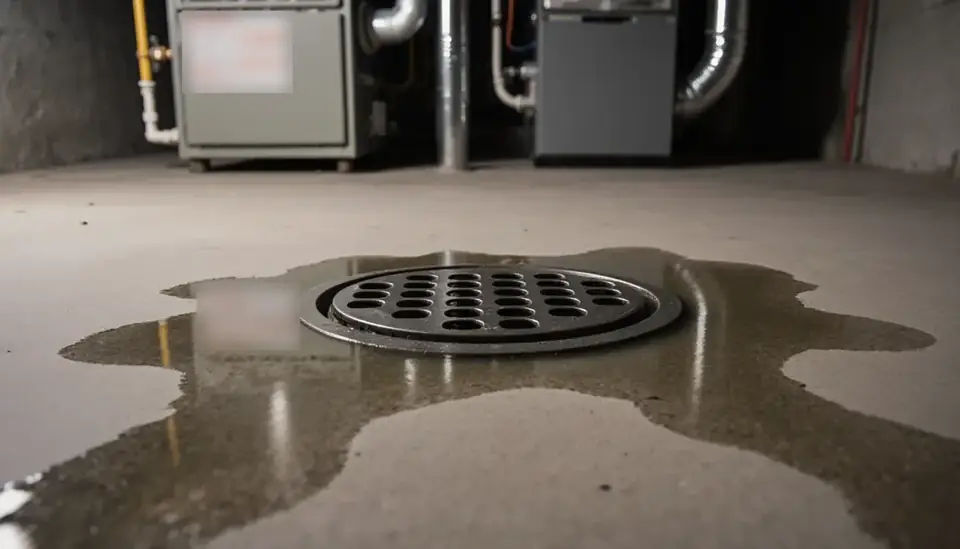
Sewer Backup and Basement Flooding in Heavy Rain
When downpours hit hard and fast, water can come up through floor drains, toilets and laundry tubs in the lowest level of a building rather than through the walls. That backflow is contaminated and needs different handling than clean water from a pipe. Porous items it touched, such as carpet, padding and cardboard boxes, are usually discarded, and hard surfaces need to be cleaned and disinfected. Professional sewage cleanup is the safer route for anything beyond a small, contained spill.
Backwater valves, which let sewage flow out but not back in, are worth asking a plumber about if your basement has flooded this way before. Keep stored items on shelves rather than the floor, and avoid finishing a basement without a plan for where water would go.
Damp Basements, Long Island Humidity and Mold
Nassau County's climate brings humid summers and cool, wet winters, with precipitation spread across the year. Basements in older buildings can stay damp for long periods, and some of those spaces are used as living areas or storage. After any leak or flood, mold can start on drywall, carpet and wood within a few days. Running a dehumidifier, keeping air moving and removing wet materials quickly are the main defenses. If mold covers a large area, or keeps returning after cleaning, a restoration provider can find the hidden moisture and handle mold removal with containment so spores don't spread through shared hallways or ductwork.
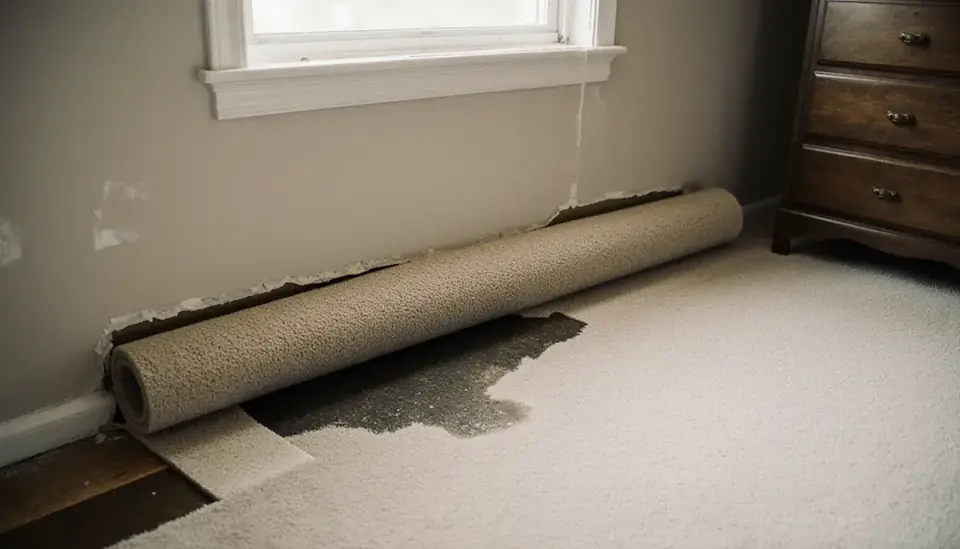
Winter Pipe Bursts in Older Buildings
Cold snaps catch pipes that run along exterior walls, through unheated basements or in vacant units. When a frozen pipe thaws, the split can release a large volume of water before anyone notices, especially in a building where the affected space is empty. Keep heat on in unoccupied apartments, open cabinet doors under sinks on outside walls during hard freezes, and know where each shutoff is. After a burst, water damage restoration typically means extracting standing water, opening wet walls where needed and drying the structure with commercial dehumidifiers before repairs begin.
Areas In and Around Hempstead
The same line also serves nearby communities such as:
- Garden City
- Uniondale
- West Hempstead
- Roosevelt
- Baldwin
- East Meadow
Hempstead Water Damage Questions
Is this page about the Village of Hempstead or the Town of Hempstead?
It focuses on the Village of Hempstead, the densely built village around downtown and the transit center. The village sits inside the much larger Town of Hempstead, which stretches south to the Atlantic and includes communities like Freeport, Valley Stream and Lynbrook. We can connect callers anywhere in the town with an independent provider; coastal areas there face storm surge risks the inland village does not.
Who pays when water from the apartment upstairs damages my unit?
It depends on the cause and the policies involved. Generally, the building owner's insurance covers the structure, while each tenant's renters policy covers their own belongings. If an upstairs tenant's negligence caused the leak, their liability coverage may come into play. Report the damage to your landlord in writing, take photos, and contact your insurer early so claims can be sorted out.
Why did water come up through my basement floor drain during a storm?
During intense rain, sewer and storm systems can surcharge, pushing water backward into the lowest openings in a building. Floor drains, basement toilets and laundry sinks are common entry points. Treat this water as contaminated. Avoid contact, keep children and pets away, and have porous materials removed and surfaces disinfected. A plumber can advise on backwater valves to reduce repeat events.