

Snow is the defining weather fact in Watertown. Sitting about five miles inland from the eastern end of Lake Ontario, the city averages roughly 116 inches of lake-effect snow a year, on top of about 44 inches of total precipitation. It has also recorded 39 below zero, and in a typical winter the thermometer falls to zero or lower on about 20 nights. Most water damage calls here trace back to that combination: heavy roof snow, ice dams, frozen pipes and the big melt that follows.
The Black River adds a second thread, dropping about 40 feet through the middle of the city on its way west to the lake. The Restoration Job is a free call-connection service, not a contractor; call (888) 317-9980 and we'll connect you with an independent restoration provider that serves Watertown and nearby Jefferson County communities.
How the call works: when you call (888) 317-9980, The Restoration Job connects you with an independent restoration provider that serves Watertown. That provider inspects the damage, explains the scope and quotes the work. The Restoration Job doesn't perform restoration itself. Read our referral disclosure.
Lake-Effect Snow Loads and Ice Dams
Snowfall well over 100 inches means roofs carry weight and moisture for months. Ice dams form when attic heat melts snow higher on the roof and the water refreezes at the colder eaves; each thaw then pushes more meltwater under the shingles. Inside, it shows up as stained ceilings along outside walls, wet insulation in the attic, and water dripping from window heads or recessed lights.
Heavy, wet snow on top of an ice dam also strains gutters, porch roofs and flat sections of older commercial buildings downtown. If you see sagging, cracking sounds or doors that suddenly stick, get people out and have the structure checked. Once the roof is secure, water damage restoration focuses on drying the attic, insulation and wall cavities before mold can start.
Burst Pipes When the Mercury Falls Below Zero
With about 20 nights a winter at zero or colder, pipes in exterior walls, unheated porches, crawl spaces and garages are at constant risk. Many splits happen overnight but only start leaking during the next day's thaw, and a half-inch supply line can put out several gallons a minute.
- Locate the main shutoff in the fall and test that the handle still moves.
- Close the main immediately when you find a leak, then open faucets to drain the lines.
- Switch off breakers for soaked rooms, but only from a dry spot.
- Keep heat on when you travel, and have someone check the house during cold snaps.
After the leak is stopped, structural drying targets the subfloor, wall cavities and ceilings below the break, which often hold more water than the floor surface suggests.
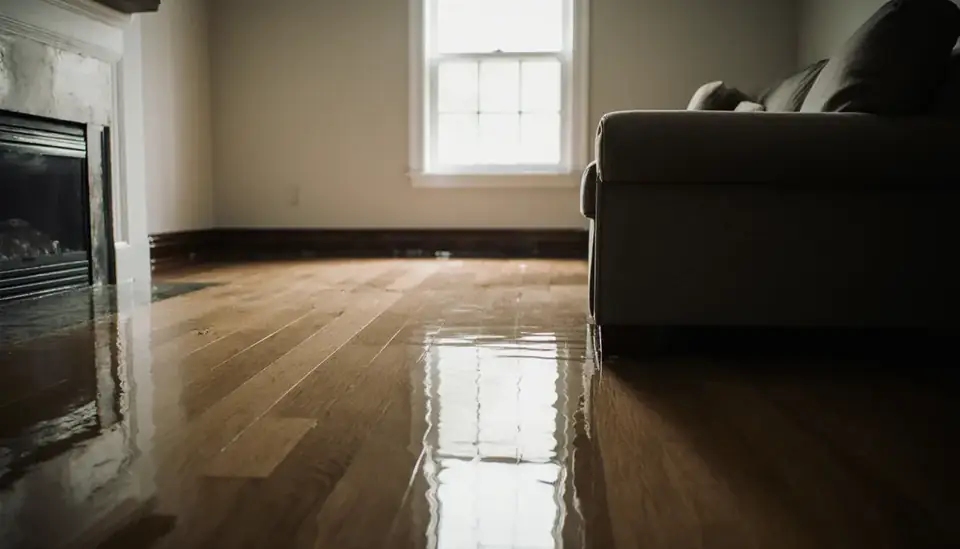
The Black River and the Old Mill District
The Black River drops 120 feet over about two and a half miles through the Watertown area, and that fall powered the 80 acres of factories once clustered at Factory Square. Below the city the river enters a rapids-filled canyon, and several dams along its lower course still harness it. Properties along the river, on Sewall's Island and around the old mill blocks sit closest to the water, and older brick and stone buildings there tend to hold moisture in their basements.
Spring is the season to watch, when snowmelt from a heavy winter combines with rain. FEMA's flood maps will tell you whether your address is in a mapped flood zone. Flood insurance is a separate policy from homeowners coverage, so check what you have before the thaw.
Spring Thaw in the Basement
When a season's worth of snow melts over a few warm days, the ground saturates quickly and water presses against foundation walls. That is when sump pumps run nonstop, older pumps fail, and basements in the city's older housing stock take on water through cracks and floor joints. Test the sump pump before the melt, clear snow away from the foundation and window wells, and make sure downspouts discharge well away from the house. If water does get in, photograph it, move belongings up, and treat any water that came through a floor drain as contaminated.
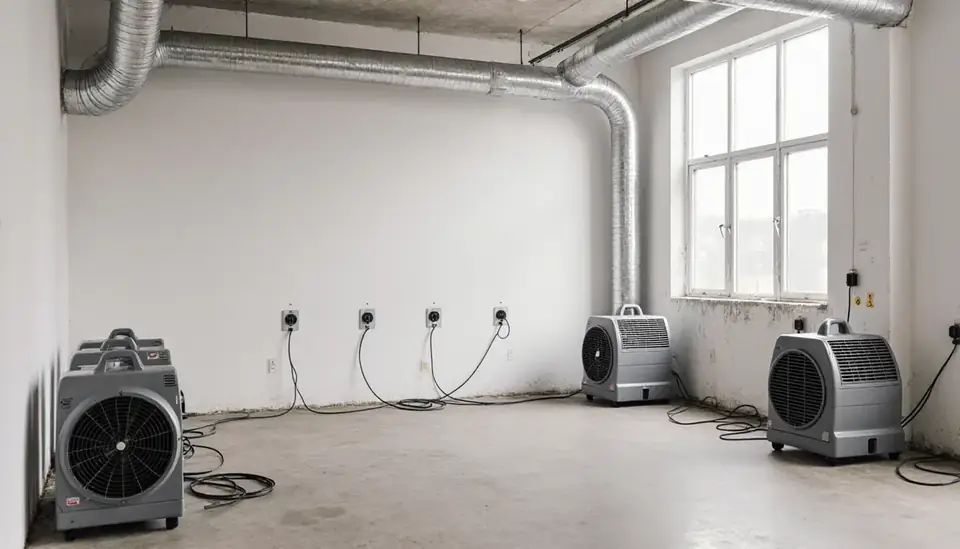
Mold That Shows Up After the Melt
A basement that floods during the spring melt often stays damp into summer, when warmer temperatures let mold spread quickly on wood framing, drywall and stored items. Pull out wet carpet, cardboard and upholstered furniture, ventilate, and run a dehumidifier continuously. Musty odors after things look dry usually mean water remains behind a wall or under flooring. For growth that is widespread or keeps returning, professional mold removal pairs cleanup with finding the moisture source.
Where Callers in the Watertown Area Are
Calls come in from across Watertown, including:
- Public Square
- Factory Square
- Sewall's Island
- Thompson Park area
The same line also serves nearby communities such as:
- Glen Park
- Black River
- Brownville
- Dexter
- Evans Mills
- Calcium
- Sackets Harbor
- Pamelia Center
Common Questions
Why does my Watertown ceiling leak only after a warm spell in winter?
That timing points to an ice dam. Heat from the house melts snow on the upper roof, the water refreezes at the cold eaves, and the next warm-up sends meltwater under the shingles. With more than 116 inches of snow in an average season, ice dams are common here. Safe removal stops the leak; attic insulation and ventilation help prevent the next one.
Is roof damage from heavy snow covered by insurance?
Many homeowners policies cover sudden damage from the weight of snow or ice and the water that gets in as a result, but coverage varies, and gradual leaks or wear may be excluded. Photograph the roof and interior damage, keep receipts for emergency repairs, and call your insurer early. Ask your agent which parts of an ice-dam loss your policy covers.
How can I keep the spring melt out of my basement?
Test your sump pump and consider a battery backup before the thaw. Shovel snow away from the foundation and window wells, keep downspouts clear and extended, and seal visible foundation cracks. Store belongings on shelves rather than the floor. If water still gets in, extract it quickly and dry the space thoroughly; a basement left damp into summer invites mold.
What should I do first after a pipe bursts in a Watertown winter?
Close the main water valve, open a faucet to drain the line, and shut off electricity to wet areas if you can reach the panel without standing in water. Photograph the damage, call your insurer, and keep the heat on so other pipes don't freeze. A provider can then extract water and dry the hidden areas where it spread.