

Downtown Ithaca is built on ground that used to be lake bottom. Silt carried down by the creeks gradually filled the southern end of Cayuga Lake, leaving the level stretch known as the Flats, while East Hill, South Hill and West Hill rise several hundred feet on three sides. Rain that falls on those hills has to come down somewhere, and much of it comes down fast, through the gorges cut by Fall Creek, Cascadilla Creek and the other streams that make the area famous.
Our role is limited to connecting you: The Restoration Job is a free phone referral line and performs no restoration itself. Call (888) 317-9980 at any hour and we'll connect you with an independent restoration provider that serves Ithaca and the rest of Tompkins County, for a flooded basement on the Flats, a roof leak on South Hill or a burst pipe in a Collegetown rental.
How the call works: when you call (888) 317-9980, The Restoration Job connects you with an independent restoration provider that serves Ithaca. That provider inspects the damage, explains the scope and quotes the work. The Restoration Job doesn't perform restoration itself. Read our referral disclosure.
Steep Hills, Gorge Creeks and the Flats Below
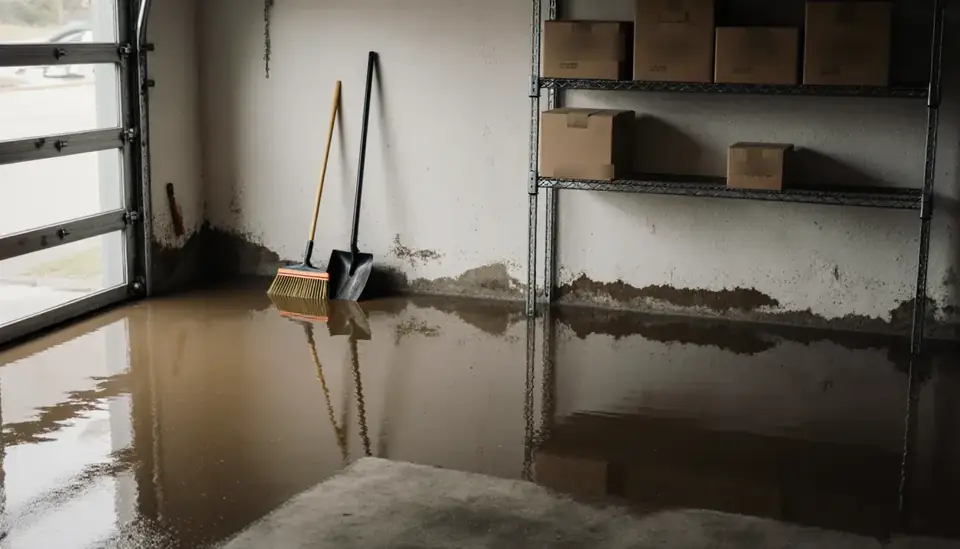
The same geography that creates Ithaca's waterfalls concentrates storm runoff. During heavy summer thunderstorms, which are frequent here in the afternoons, water runs off the hillsides, swells the creeks and collects on the low, flat ground near the lake. Homes on the Flats and near creek channels can see water in basements and crawl spaces, while houses on the hills are more likely to get runoff pouring down driveways and against foundation walls on the uphill side.
Tompkins County keeps a flood information hub with preparedness guidance, flood insurance details and tools for reading the flood insurance rate maps. New FEMA flood insurance rate maps for the county took effect on June 18, 2025, so a property's flood zone may have changed from what an older survey or mortgage file shows. A building newly mapped into a high-risk zone may qualify for a reduced newly mapped insurance rate.
Wind Bursts, Fallen Trees and Roof Damage
Severe storms around the city have caused real damage in recent years. On July 24, 2023, a microburst with winds estimated near 100 mph struck the Enfield and Ithaca area, lifting barns off their foundations and leaving a path of downed trees. Two years earlier, on June 21, 2021, an EF1 tornado with peak winds of about 90 mph crossed Dryden. A falling limb can open a roof to rain within minutes.
After wind damage, the first job is to get a tarp over any opening and move belongings away from wet ceilings. Storm damage cleanup then includes checking attic insulation and wall cavities, since rain spreads well past the visible hole.
Rental Houses, Shared Buildings and Who Does What
In a house divided into apartments or a multi-unit building, from Collegetown to the Flats, a single leak can affect several households. A few points help everyone:
- Tenants should report any leak to the landlord or property manager immediately, in writing as well as by phone.
- Photograph damage to your own belongings; renters insurance generally covers contents, while the owner's policy covers the building.
- If water is coming from another unit, alert those occupants and the landlord so the source can be shut off.
- Before leaving for a break, set the heat high enough to keep pipes from freezing and tell the landlord if you'll be away for weeks.
Snow, Sleet and the Mold That Follows Slow Drying
Ithaca averages about 67 inches of snow, less than cities closer to Lake Ontario, but late fall and early spring often bring mixed rain, sleet and snow. That freeze-thaw pattern forms ice dams on roofs and lets water work into foundation cracks. Basements that stay damp after a leak or a spring melt are where mold usually starts, on paneling, carpet backing and stored boxes.
Once the water source is fixed, structural drying with dehumidifiers and air movers, tracked with daily moisture readings, does the most to keep growth from starting. If mold is already visible across a large area, a provider can set up containment for mold removal so spores aren't carried into the rest of the house.
Alerts and Insurance for Tompkins County Residents
Tompkins County sends emergency notifications through its SIREN alert system, and the National Weather Service office in Binghamton issues flash flood and severe thunderstorm warnings for the area. Standard homeowners and renters policies generally exclude flooding from surface water or rising creeks, which requires a separate flood policy. Sewer backup is often excluded too unless you've added coverage. Keep photos, a list of damaged items and receipts, and contact your insurer before discarding anything large. Southern Tier neighbors can find similar guidance on our Cortland water damage page.
Ithaca Neighborhoods and Surrounding Towns
Calls come in from across Ithaca, including:
- Downtown
- Fall Creek
- Collegetown
- South Hill
- East Hill
- West Hill
The same line also serves nearby communities such as:
- Cayuga Heights
- Lansing
- Dryden
- Trumansburg
- Northeast Ithaca
- Groton
Frequently Asked Questions
Why does water reach basements on the Flats so quickly during storms?
The Flats are low, level ground at the base of steep hills, formed from silt deposited at the end of Cayuga Lake. Heavy rain on the hillsides drains quickly into the creeks and toward the lake, so water collects in the lowest areas first. Keeping window wells covered, gutters clear and a working sump pump in place reduces the chance of basement water.
I'm a student renter and my apartment flooded. What should I do?
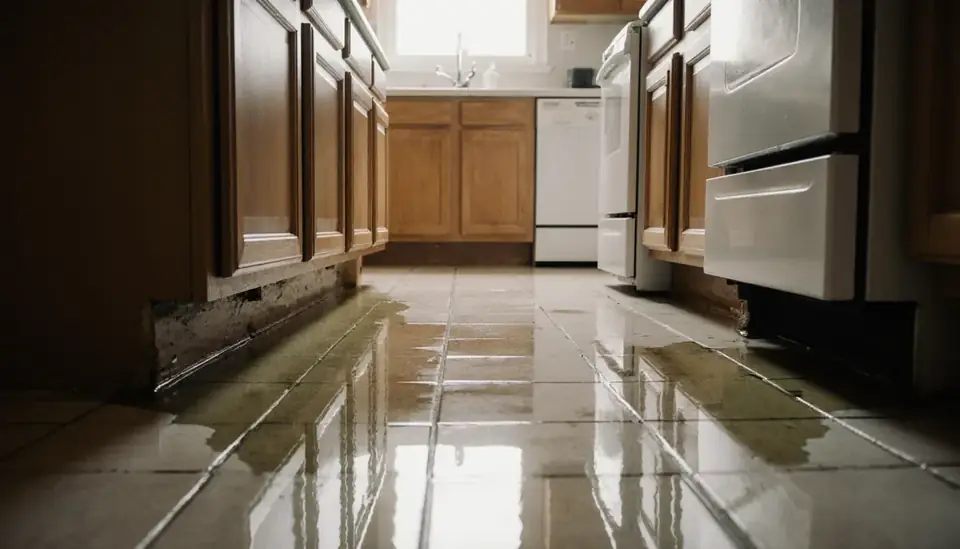
Tell your landlord or property manager right away, by phone and in writing. Move electronics and valuables out of the water, and don't touch outlets or appliances standing in water. Photograph everything that was damaged. Your renters insurance, if you have it, generally covers your belongings, while the landlord handles the building and the cleanup.
How can I find out if my Ithaca property is in a flood zone?
Look up your address on FEMA's Flood Map Service Center, and check Tompkins County's flood information pages, which include an interactive tool for the maps that took effect in June 2025. If you're near a creek or on low ground near the lake, it's worth talking to an insurance agent even if the map doesn't show high risk.
Do ice dams happen in Ithaca even with less snow than Syracuse?
Yes. Ice dams depend on freeze-and-thaw cycles and heat escaping through the roof more than on total snowfall. Ithaca's frequent mixed precipitation in late fall and early spring creates those conditions. Better attic insulation and ventilation, and clearing snow from the lower edge of the roof, reduce leaks.