
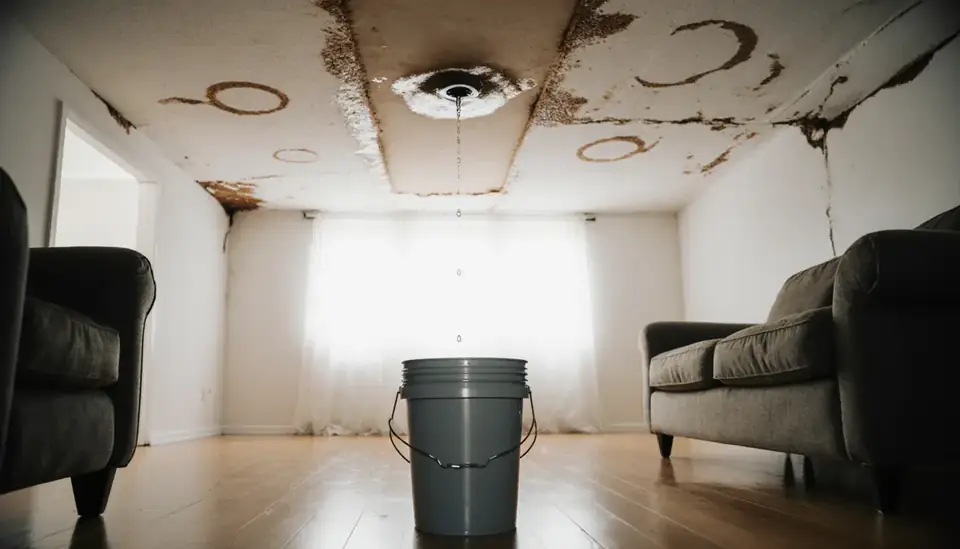
On July 29, 2026, the National Weather Service measured 5.45 inches of rain at Albany in a single day, nearly triple the old daily record of 1.90 inches set in 1974. Gauges a short distance southwest of downtown topped 8 inches over the two-day storm. Much of that water had nowhere to go but into cellars, window wells and low streets, and it was a reminder that the capital's water problems are not only about the Hudson.
The Restoration Job doesn't do the repairs itself; it's a free referral service. Call (888) 317-9980 any hour and we'll connect you with an independent restoration provider that serves Albany, whether the problem is a flooded basement in Pine Hills, a radiator leak in a Center Square rowhouse or storm damage in North Albany.
How the call works: when you call (888) 317-9980, The Restoration Job connects you with an independent restoration provider that serves Albany. That provider inspects the damage, explains the scope and quotes the work. The Restoration Job doesn't perform restoration itself. Read our referral disclosure.
A Tidal River, Buried Creeks and a Record-Breaking Downpour
The Hudson is still tidal where it passes the city, rising and falling between roughly 2 and 4 feet above sea level. That low riverfront has flooded many times: the weather service lists Hudson crests at Albany of 21.45 feet in March 1913, 17.5 feet in January 1949 and 15.5 feet in January 1996, and ice jams in March 1977 put water on the ramps to Interstate 787 downtown.
Away from the river, the hazard is often hidden. Foxes Creek, the Beaver Kill and the Rutten Kill were diverted into underground conduits in the 19th century, and the Normans Kill still forms part of the southern city line. When a cloudburst like the July 2026 storm arrives, runoff follows those old drainage lines and the oldest sewers, which is why backups and seepage show up in neighborhoods that sit well above the Hudson.
Rowhouses Near the River, Two-Families to the West
Albany's housing changes as you move away from the water. The older sections near the river, including Arbor Hill, the Mansion neighborhood and the South End, are mostly attached row houses, so a leak or overflow on one side of a party wall can travel into the neighbor's unit. Farther west come late-19th-century two-family homes, and past those the single-family houses built after World War II.
Each type fails a little differently:
- Rowhouses: shared walls, stone or brick foundations and old plumbing stacks; water often moves sideways and down before anyone sees it.
- Two-family and multi-unit houses in Pine Hills: an upstairs bathroom or washing machine leak lands in the downstairs tenant's ceiling, which brings two households and sometimes an absentee owner into one claim.
- Postwar houses: finished basements with carpet and paneling hold water and need more demolition than a bare cellar.

Winters With Nearly Five Feet of Snow
The city averages about 59 inches of snow a season along with about 41 inches of total precipitation, and that combination drives a steady winter workload. Pipes in exterior walls and unheated porches freeze during cold snaps, ice dams form along the eaves of older homes and push meltwater under shingles, and a quick thaw with rain can fill basements already sitting on saturated ground. A slow drip inside a plaster wall may go unnoticed for weeks while it soaks lath and insulation.
Shut off the main valve as soon as you find a burst line, open faucets to relieve pressure, and photograph everything before cleanup starts. A provider offering water extraction can pull standing water quickly, which shortens drying time in a cold, closed-up house.
What a Cleanup Involves in an Older Capital City Home
Plaster and lath behave differently than drywall. Plaster can often be dried in place if moisture readings drop, but soaked lath, horsehair insulation or blown-in cellulose usually has to come out. A competent crew will map moisture with meters, set up dehumidifiers and air movers, and check framing and subfloors before anything is closed back up. Basements with stone foundations stay damp longer, so structural drying there may take several days.
Water that backed up through a floor drain should be treated as contaminated. Porous items it touched, such as carpet, cardboard storage and upholstered furniture, are generally discarded rather than cleaned.
Keeping Mold Out of Damp Cellars
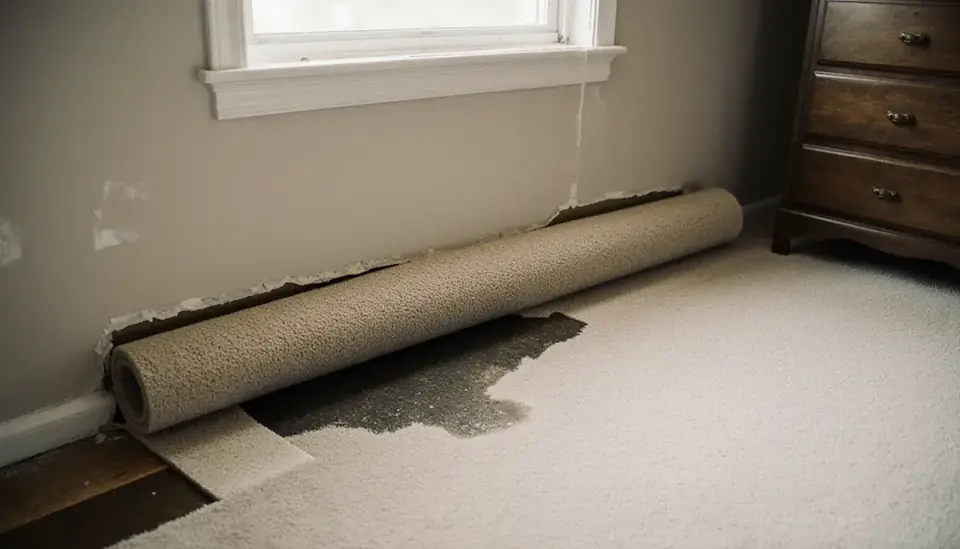
Summers here are hot and humid, and older cellars rarely have vapor barriers. After a flood, mold can start on wood, paper-faced drywall and stored boxes within a couple of days if humidity stays high. Running a dehumidifier, removing wet materials promptly and keeping basement doors closed while equipment runs all help. If you see growth spreading across framing or smell persistent mustiness after drying, a mold remediation provider can contain the area and remove affected materials properly.
Where Callers in the Albany Area Are
Calls come in from across Albany, including:
- Arbor Hill
- Center Square
- Pine Hills
- Mansion
- South End
- North Albany
- Eagle Hill
- Melrose
- West Hill
- Buckingham Lake
The same line also serves nearby communities such as:
- Colonie
- Rensselaer
- Watervliet
- Menands
- Guilderland
- Bethlehem
Albany Water Damage Questions
How do I know whether my Albany home is in a mapped flood zone?
Type your street address into FEMA's Flood Map Service Center to see the effective map panel. Riverfront areas along the Hudson carry the most obvious river risk, but the July 2026 storm showed that heavy rain alone can flood basements far from any mapped zone. Standard homeowners policies generally exclude flood, so ask your agent about separate flood coverage and sewer backup endorsements before you need them.
Who pays when an upstairs leak damages my apartment in a two-family house?
It depends on the source and the leases and policies involved. The owner's policy usually covers the building itself, while a tenant's renters policy covers personal belongings. Report the leak to the owner in writing right away, take photos, and keep receipts. A restoration provider can document moisture readings that help each insurer sort out responsibility.
Can water in my cellar come from a creek I've never seen?
Possibly. Several of the city's original streams, including the Beaver Kill and Rutten Kill, were moved into underground channels in the 1800s. Groundwater and storm runoff still follow those low lines, and older sewers can surcharge during intense rain. A plumber or restoration provider can help tell seepage through the foundation apart from a backup through a floor drain.
Should I run a space heater to dry things out after a winter pipe burst?
Heat alone mostly moves moisture into the air, where it can condense on cold exterior walls and windows. Drying goes faster when heat is paired with dehumidification and air movement, and when wet insulation is removed. Keep heaters well away from wet electrical items, and have the panel checked if water reached outlets or wiring.