
Nyack is a small village with a lot of river. Of its 1.6 square miles, more than half is the Hudson; the land portion is under a square mile, climbing from the shoreline up hilly streets lined with low-rise buildings. About 7,300 people live here, just north of the Mario M. Cuomo Bridge that crosses to Tarrytown. In the 1800s Nyack quarried sandstone for New York City buildings, built boats and made shoes, and many of the houses and storefronts from that era still stand along Main Street and Broadway.
The Restoration Job is a no-cost referral service; independent companies do the actual work. Call (888) 317-9980 at any hour and we'll connect you with a restoration provider that serves Nyack and the other Nyacks along the river.
How the call works: when you call (888) 317-9980, The Restoration Job connects you with an independent restoration provider that serves Nyack. That provider inspects the damage, explains the scope and quotes the work. The Restoration Job doesn't perform restoration itself. Read our referral disclosure.
Old Houses on a Steep Riverbank
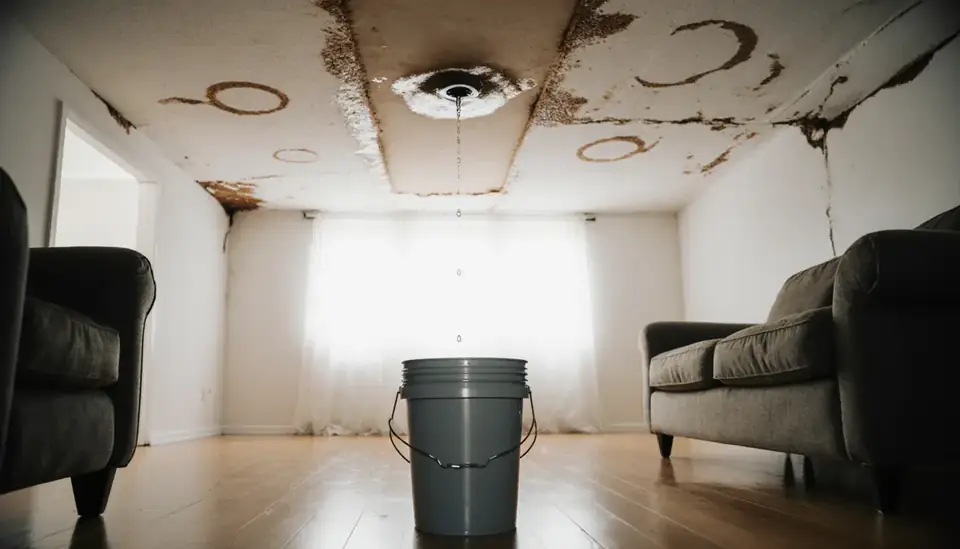
Nyack's housing is older than most of Rockland County's. The Edward Hopper House on North Broadway dates to 1858, and the John Green House on Main Street was built in 1817 from local sandstone. Many ordinary homes from the same century share their weak points when water gets in:
- Stone and brick foundations that pass groundwater through mortar after long rains
- Plaster on lath that hides a leak until stains appear far from the source
- Built-in gutters, slate and flashing around chimneys and dormers that fail with age
- Original wood floors that cup and swell when soaked
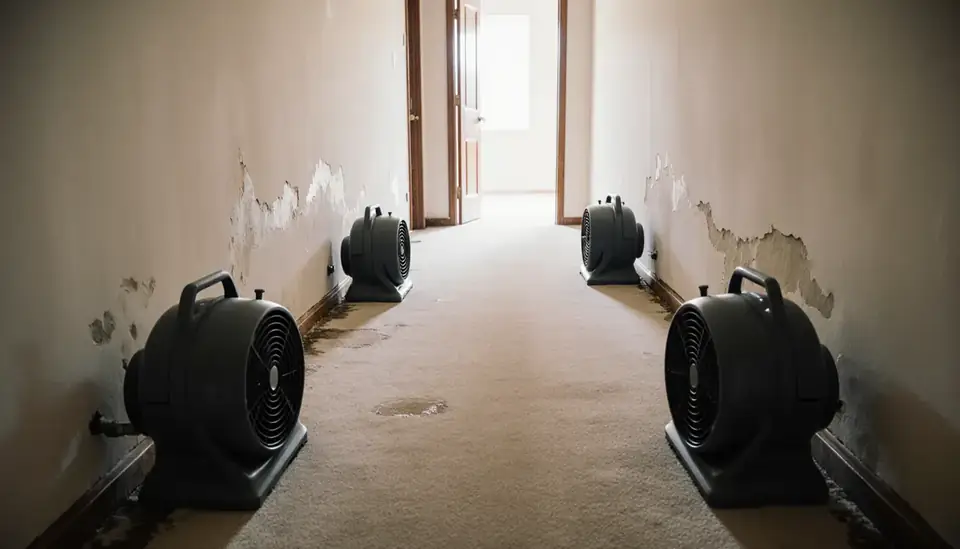
In these houses, careful drying in place usually saves more than demolition. Ask a provider how they will monitor moisture in plaster, trim and old-growth framing, and expect water damage restoration to take a little longer than it would in newer drywall construction.
Runoff Running Downhill to the Hudson
Nyack is built on hilly terrain that falls toward the river, so heavy rain gathers speed on its way down. Water that runs off streets and driveways uphill ends up at the foundations, basement doors and window wells of the buildings below. Rockland averages close to 49 inches of precipitation a year, and tropical leftovers have delivered some of the worst bursts: Floyd in September 1999 and Irene in August 2011 both brought damaging flooding to the region.
For a hillside lot, keep gutters clear, extend downspouts well past the foundation, and check that yard drains and areaway drains are free of debris before storm season. A slow trickle under a basement door after every storm is a drainage problem worth fixing before it becomes a flood.
The Shoreline and Storm Surge Up the River
The Hudson along Nyack is a tidal estuary, rising and falling twice daily, and a powerful coastal storm can lift it far above normal tides. During Sandy in 2012, surge traveled more than 100 miles up the Hudson Valley and damaged homes and businesses along the river. The lowest blocks near the water and the riverfront parks are where that kind of flooding reaches first in the village.
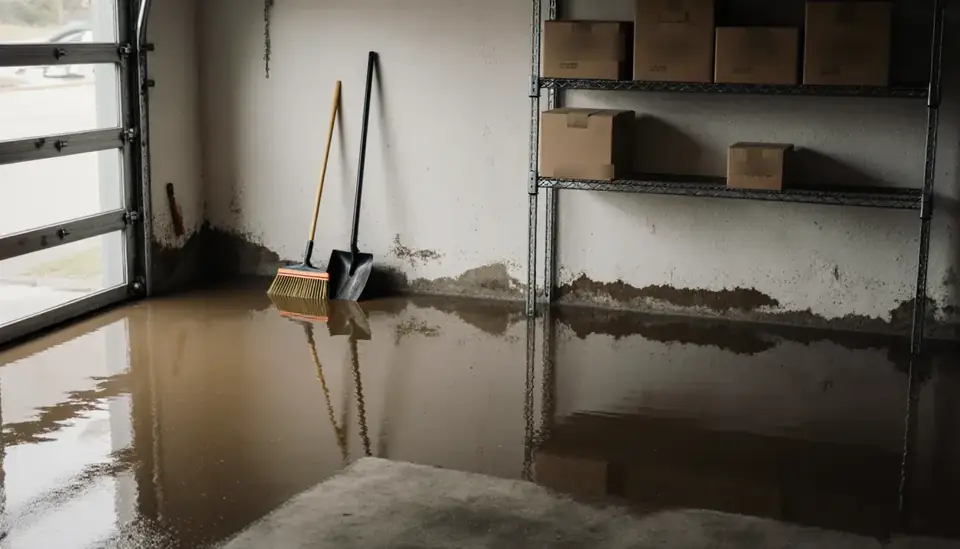
Flooding from the river is not covered by a standard homeowners policy. A separate flood policy is needed, and the FEMA flood map shows whether your address falls in a mapped flood zone. After brackish, silty river water gets inside, flood cleanup means removing mud, rinsing and drying framing, and having mechanical systems inspected.
Musty Basements and Mold in Historic Homes
Old masonry basements near the river rarely dry out completely, and summer humidity in the lower Hudson Valley adds to the load. Mold commonly shows up on stored furniture, cardboard and the undersides of wood stairs and floor joists. A dehumidifier, better drainage outside and moving stored items off the floor all help.
After a leak, deal with wet materials within a day or two. If growth covers more than a small area, or keeps coming back after cleaning, mold remediation with containment and HEPA filtration keeps spores from spreading through an old house's open stairways and chases. Sensitive finishes such as plaster and original trim can often be cleaned rather than replaced.
When a Pipe Bursts or the Basement Floods
Shut off the main water valve and switch off power to affected areas if you can do so safely. Get a full photo record of each wet room before anything is moved. During Irene, at least 52 Hudson Valley municipalities reported sewage spills, so treat any water that came up through floor drains as contaminated. The National Weather Service office in Upton issues flash flood warnings for Rockland. Then call (888) 317-9980 to be connected with a provider for water damage in Nyack.
Where Callers in the Nyack Area Are
The same line also serves nearby communities such as:
- Upper Nyack
- South Nyack
- Central Nyack
- West Nyack
- Valley Cottage
Frequently Asked Questions
Can water-damaged plaster in an old Nyack house be saved?
Often, if the water was clean and the plaster is still bonded to the lath. Drying with dehumidifiers and air movement, sometimes through small access holes near the baseboard, can save original walls. Plaster that sagged, came loose or was soaked by floodwater or sewage usually has to be removed. Moisture readings over several days should guide the decision rather than appearance alone.
Does my homeowners policy cover Hudson River flooding?
No. Rising water from the river, including storm surge like Sandy's, is flood and is excluded from standard homeowners policies. Coverage comes through the National Flood Insurance Program or a private flood carrier. Water from a burst pipe or rain entering through storm-damaged roofing is a different claim, so record exactly how the water got into the house.
Why does my basement get wet even when it hasn't rained much?
Older foundations near the river can pass moisture from the soil even in modest weather, and summer humidity condensing on cool basement walls adds to it. Watch for dampness that appears after humid days rather than after rain; that points to condensation, which a dehumidifier handles. Water that appears after storms usually points to drainage or grading problems outside.
Do the other Nyacks have the same risks?
Upper Nyack and South Nyack share the riverfront and hilly terrain, so runoff and river flooding are concerns there too. Central Nyack and West Nyack sit away from the shoreline, where storm runoff and basement seepage are more common than river flooding. Providers referred through our line serve the whole area, and the FEMA map is the right first stop for any specific address.