

Peekskill sits on its own bay at the northern edge of Westchester, where the Hudson begins to squeeze into the Highlands and the Bear Mountain Bridge is only five miles upriver. The city covers about four square miles of land plus a stretch of river, rising from the shoreline to hillside streets well above the water. Several small streams, Annsville Creek, Magregere's Brook and Dickey Brook among them, drain toward the bay. Two centuries ago those creeks turned the mills that made Peekskill a manufacturing town; today they are the channels that carry storm runoff through it.
Nobody from The Restoration Job comes to your door; the service is a no-cost phone connection. Call (888) 317-9980, day or night, and we'll connect you with an independent restoration provider that works in Peekskill and the rest of northern Westchester.
How the call works: when you call (888) 317-9980, The Restoration Job connects you with an independent restoration provider that serves Peekskill. That provider inspects the damage, explains the scope and quotes the work. The Restoration Job doesn't perform restoration itself. Read our referral disclosure.
Highlands Downpours and the July 2023 Flood
Storms that stall over the hills on either side of the Hudson can drop extraordinary amounts of rain. On July 9 and 10, 2023, Putnam Valley, just over the county line to the northeast, recorded 10.49 inches, and Highland Falls and West Point across the river received about 8 inches. Route 9W and the Palisades Interstate Parkway were partly washed out, and Metro-North suspended service on the Hudson Line that Peekskill commuters rely on. Earlier, the remnants of Floyd in September 1999 caused flood damage across Orange, Putnam, Rockland and Westchester counties.
In a city of slopes and small creeks, rain like that shows up as water rushing down streets and driveways, overloaded storm drains, and creeks rising quickly near their mouths at the bay. Basements in the lower parts of the city and homes close to stream banks are the first to take water.
Peekskill Bay, Tides and Storm Surge
Because the Hudson is tidal all the way to Troy, Peekskill's waterfront rises and falls with the tide twice a day. A strong coastal storm can add surge on top of that. Sandy in 2012 pushed water into the Hudson Valley more than 100 miles upstream, damaging riverfront homes and businesses well north of New York City. Riverfront Green, Charles Point and the low land at the mouth of Annsville Creek are reminders of how close parts of Peekskill sit to river level.
Flooding from the river or a rising creek is not covered by a standard homeowners policy. It requires a separate flood policy, and a quick address search on the FEMA flood map shows whether your property is in a mapped flood zone. Wind-driven rain through a damaged roof is handled differently, so keep notes and photos of how water entered.

An Old Mill Town's Buildings
Peekskill was incorporated as a village in 1816 and became a city in 1940, and much of its building stock reflects that long history: older frame houses, brick commercial buildings and apartments above storefronts, alongside newer construction. The city has about 10,400 housing units for roughly 25,400 residents.
Common trouble spots in these older buildings include:
- Stone or brick foundations that let groundwater seep through after long rains
- Aging cast-iron drain lines that can back up into basement floor drains
- Leaks in upper-floor apartments that travel down through ceilings to the units or shops below
- Pipes along exterior walls that freeze during cold snaps
A burst pipe in a multi-unit building calls for fast water damage repair and clear communication between owners, tenants and any building manager so that every affected unit gets checked, not just the source.
Keeping Mold in Check After a Wet Season
The lower Hudson Valley has humid summers and wet, cold winters. Water that sits in a basement or wall cavity for more than a day or two in warm weather gives mold a foothold, especially on drywall paper, wood framing and carpet backing. A musty smell in a lower level is often the first sign.
After any leak or flood, remove soaked porous materials, dry the space with dehumidifiers and air movement, and confirm with moisture readings before closing walls. If growth covers more than a small area or returns after cleaning, mold remediation with containment and proper cleanup is the safer route.
Steps to Take Before Help Arrives in Peekskill
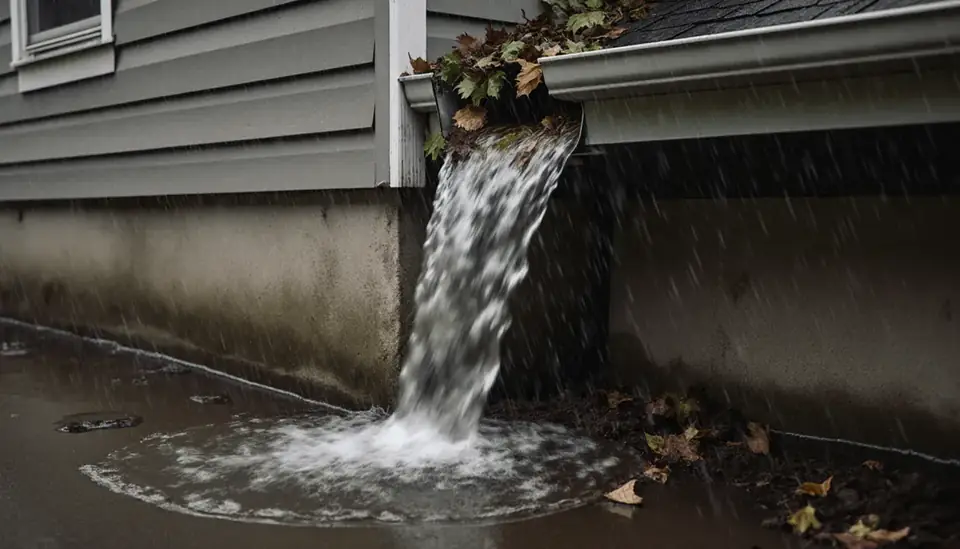
Shut off the water main for plumbing failures and stay out of flooded rooms where outlets or extension cords are underwater. During a flash flood, never drive through moving water; roads near creeks can wash out with little warning, as they did across the region in 2023. Photograph damage before cleanup begins. Westchester County's Department of Emergency Services coordinates emergency management during major storms, and the National Weather Service in Upton issues flood warnings for the county. Then call (888) 317-9980 to be connected with a provider for flood cleanup and drying in Peekskill.
Where Callers in the Peekskill Area Are
The same line also serves nearby communities such as:
- Cortlandt
- Buchanan
- Croton-on-Hudson
- Montrose
- Verplanck
- Ossining
Common Questions
Why does my Peekskill street flood so fast in a summer storm?
Peekskill's streets run downhill toward the bay, and small creeks and storm drains carry runoff from the hills behind the city. During intense summer thunderstorms, rain can fall faster than the drains can take it, so water sheets down streets and pools at low points. Homes at the bottom of a slope or near a creek bank tend to see water at basement doors and window wells first.
Is creek or river flooding covered by my homeowners policy?
Usually not. Rising water from Annsville Creek, another stream or the Hudson counts as flood, which standard homeowners and renters policies exclude. A separate flood policy is needed, so check your coverage well before storm season rather than after a warning. A pipe that bursts inside the house is a different kind of loss and is often covered.
A leak upstairs damaged my apartment. Who should handle it?
In older multi-unit buildings, water often travels through ceilings and walls to units below. Notify the landlord or building manager right away and document the damage in your unit. The building owner is usually responsible for the structure, while your renters policy may cover your belongings. Ask that every affected unit be checked for hidden moisture, not just the one where the leak started.