
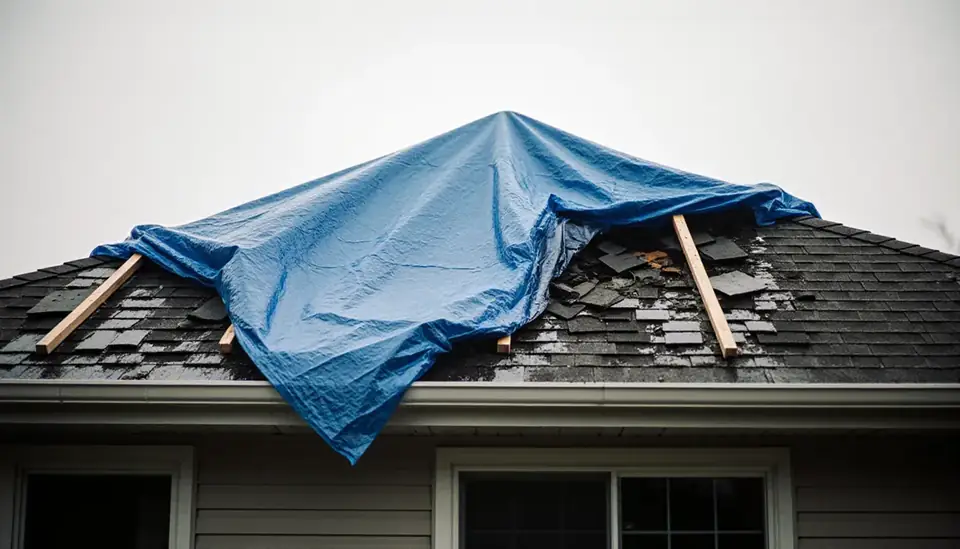
Port Washington occupies most of the Cow Neck Peninsula on Nassau's North Shore, with Manhasset Bay on its western side and Hempstead Harbor on its eastern side. The ground rises from sea level at the shoreline to about 270 feet at Beacon Hill, and from the 1870s onward the peninsula's sand banks were mined on an enormous scale, with some 140 million cubic yards shipped to build New York City's skyscrapers and subway. About 16,800 people live in the unincorporated hamlet, which belongs to the Town of North Hempstead, and the surrounding villages of Baxter Estates, Flower Hill, Manorhaven and Sands Point share the peninsula.
That combination of steep slopes and long waterfront means water arrives in two ways: downhill as runoff, and from the bay during coastal storms. The Restoration Job is a referral service and does not do restoration work itself. Call (888) 317-9980 any time, and we will connect you with an independent provider serving Port Washington and the rest of the peninsula.
How the call works: when you call (888) 317-9980, The Restoration Job connects you with an independent restoration provider that serves Port Washington. That provider inspects the damage, explains the scope and quotes the work. The Restoration Job doesn't perform restoration itself. Read our referral disclosure.
Manhasset Bay, Hempstead Harbor and the Low Waterfront
Manhasset Bay opens onto Long Island Sound, and its average tidal range is about six feet. Properties along the shore, near the Town Dock and on the low streets close to the water sit closest to that range. When a nor'easter or tropical storm pushes water into the Sound and the bay, high tides can rise into yards, marinas, garages and lower floors.
During Sandy in 2012, Nassau County called for voluntary evacuations of North Shore areas north of Route 25A that sit 15 feet or less above sea level, a description that fits Port Washington's waterfront. Saltwater intrusion is harder on a building than fresh water. After the water goes down, a proper flood cleanup usually means removing wet drywall and insulation to a safe height, rinsing salt from framing and having heating equipment, water heaters and electrical panels checked before they are turned back on.
Hillside Lots, Retaining Walls and Runoff
Away from the shore, the peninsula's hills create a different problem. On sloped lots, heavy rain runs downhill across driveways and lawns and collects against the uphill side of a house, where it can seep through basement walls or come in under a garage door. Old sand-pit land and steep grades can also send water toward retaining walls and lower neighbors.
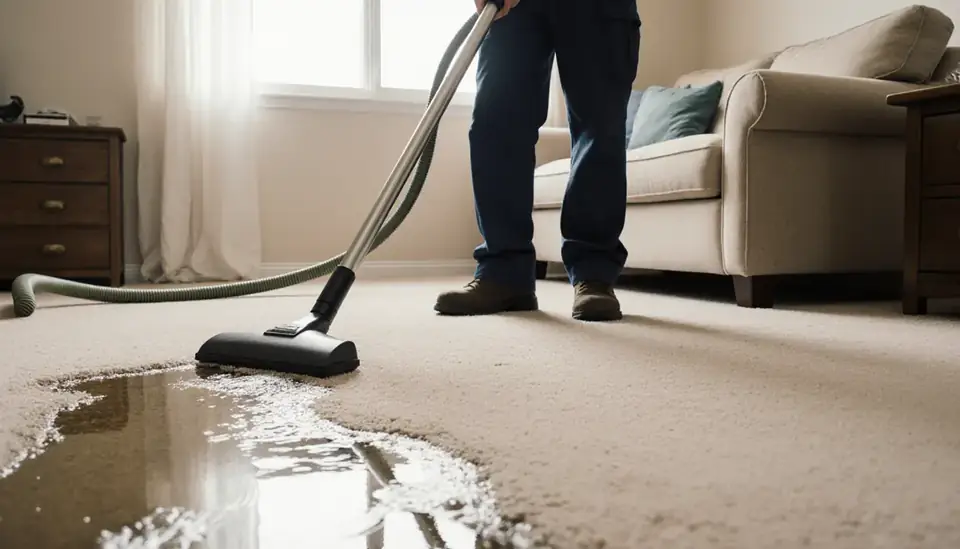
Simple measures help: keep gutters and downspouts flowing and discharge them away from the foundation, keep yard drains and driveway trench drains clear, and watch for new cracks or bulges in retaining walls after heavy rain. If water has already entered a lower level, quick water extraction prevents it from soaking further into framing and finished floors.
Main Street Buildings and Older Homes
Port Washington grew quickly after the Long Island Rail Road arrived in 1898, and its downtown along Main Street and the streets leading to the water include older mixed-use buildings with stores below and apartments above. In those buildings, a leak upstairs often becomes a ceiling problem in the shop below. Notify the landlord or building manager in writing right away, photograph the source and the damage, and ask each affected tenant to contact their own insurer.
In older single-family homes on the hills, slow leaks from aging supply lines, radiator valves and second-floor bathrooms can go unnoticed for weeks. Stains on ceilings, warped hardwood and peeling paint are early signs worth investigating.
Sewer Backups and the Local Districts
Most Port Washington homes get their water from the Port Washington Water District, and the sanitary sewer system for the hamlet is run by the Port Washington Water Pollution Control District. If wastewater backs up into your basement through a floor drain or toilet, report it to the sewer district so they can check whether the blockage is in the public main, and call a plumber for your own lateral line. Sewage backup is contaminated water. Porous materials it touched generally have to be discarded, and the area should be disinfected by someone equipped for sewage cleanup.
Boathouses, Porches and Mold on the Cow Neck Peninsula
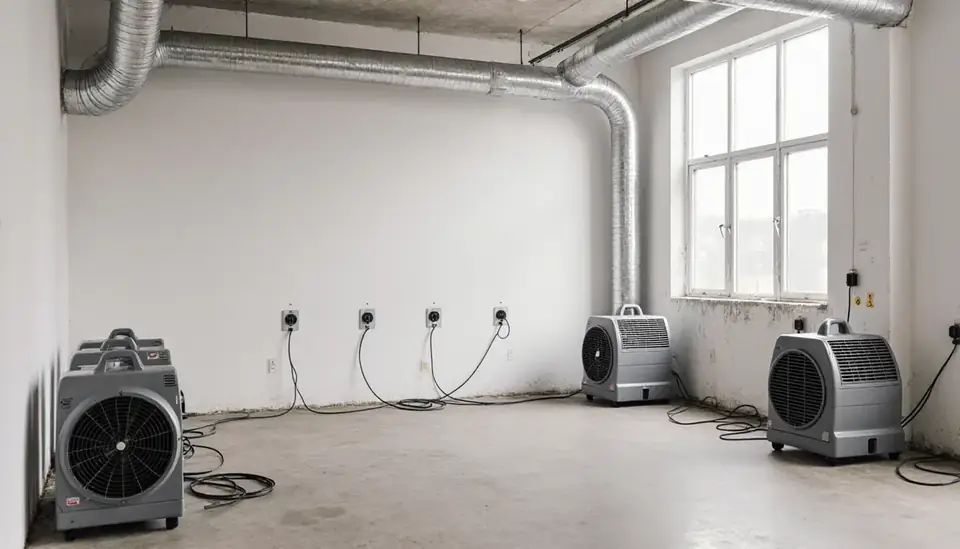
The North Shore's humid summers, a waterfront location and roughly 46.7 inches of yearly precipitation across Nassau County give moisture plenty of chances to linger. Basements on the water side, boathouses, enclosed porches and closets on outside walls are where mold tends to appear first. After a flood, drying all the way, not just until surfaces feel dry, is what prevents it. If growth is widespread or keeps returning, a mold specialist can find the moisture source and remove affected materials under containment.
Where Callers in the Port Washington Area Are
Calls come in from across Port Washington, including:
- Beacon Hill
- Manhasset Bay Estates
The same line also serves nearby communities such as:
- Manorhaven
- Sands Point
- Baxter Estates
- Flower Hill
- Plandome Manor
- Manhasset
Port Washington Water Damage Questions
Does Port Washington flood during coastal storms?
The low-lying waterfront along Manhasset Bay and Hempstead Harbor can, especially when a strong nor'easter or tropical storm coincides with high tide. Homes higher on the peninsula are well above tidal flooding but can still take on water from runoff and heavy rain. FEMA's Flood Map Service Center shows the official flood zone for a specific address.
Is saltwater damage handled differently from a burst pipe?
Yes. Floodwater from the bay is treated as contaminated, and salt keeps attracting moisture after the visible water is gone. Wet drywall, insulation and carpet are usually removed, framing is cleaned, and appliances, boilers and electrical components exposed to salt water need inspection before use. A clean-water pipe leak, caught early, often allows more materials to be dried in place.
Where can Port Washington residents get storm alerts?
The Town of North Hempstead's Emergency Management division handles hurricane and nor'easter response and offers an alert signup. The National Weather Service office in Upton issues coastal flood and storm warnings for the North Shore. Registering before hurricane season gives you more time to move vehicles, valuables and stored items out of low areas.