

Much of Port St. Lucie was laid out on paper before the houses existed. General Development Corporation bought land along the North Fork of the St. Lucie River in 1958 and platted a grid of single-family lots, and the city still drains that grid through a huge open network: about 1,200 miles of roadside swales and 200 miles of canals, tied together by thousands of culverts and more than 180 control structures. When that system keeps up, a hard summer storm passes with little trouble. When a culvert clogs or a canal runs high, water backs into yards, garages and sometimes living rooms.
Call (888) 317-9980 any time and we'll connect you with an independent restoration provider serving Port St. Lucie. We are a free referral service; the cleanup itself is done by third-party companies working in St. Lucie County.
How the call works: when you call (888) 317-9980, The Restoration Job connects you with an independent restoration provider that serves Port St. Lucie. That provider inspects the damage, explains the scope and quotes the work. The Restoration Job doesn't perform restoration itself. Read our referral disclosure.
Swales, Culverts and the Lots GDC Platted
In older sections east and west of the river, the ditch at the front of the yard is part of the city's flood control. City ordinance makes property owners responsible for the swale and driveway culvert between the pavement and their lot line. Grass clippings, sand and a crushed culvert pipe can all slow water enough to push it toward the house.
- Walk the swale after mowing and before the rainy season starts.
- Look for standing water that lingers more than a day after rain.
- Report problems with canals or control structures to the public works department.
The city has been spending on fixes in basins that flooded before, including the Oak Hammock watershed, Hogpen Slough and the Elkcam Basin. Its emergency management office notes that repetitive-loss properties cluster near the St. Lucie River and west of I-95 between Becker Road and Tradition.
From Tropical Storm Fay to the May 2018 Rains
Tropical Storm Fay in August 2008 shut down US 1 and pushed the city to build its Eastern Watershed Improvement Project. That work was tested in May 2018, when nearly 11 inches fell on the Treasure Coast with more forecast; the mayor at the time told CBS12 that streets stayed passable and no homes were threatened.
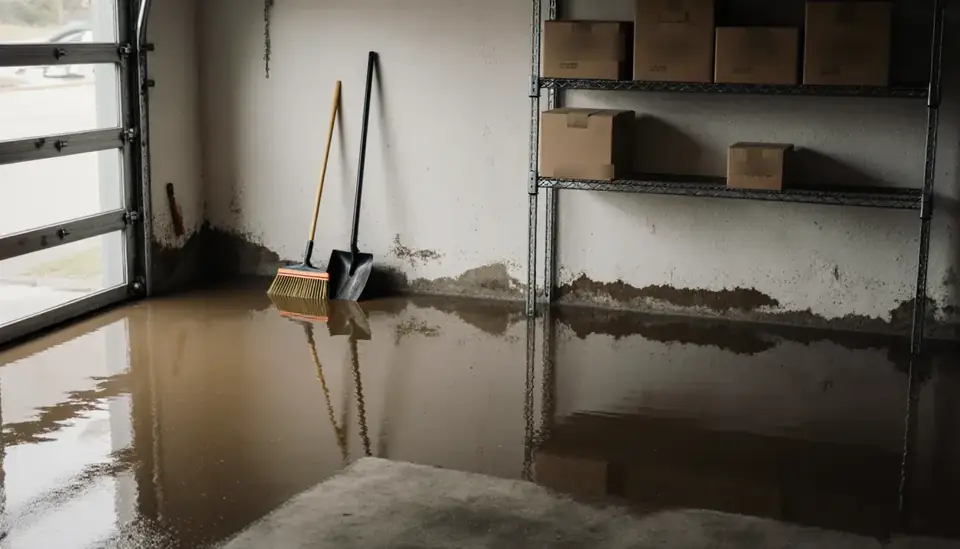
That is a real improvement, but drainage built for a design storm can still be overwhelmed by a stalled system. Homes on lower lots and those backing up to canals and reservoirs are the first to see water at the door. Flood cleanup from rising stormwater is treated as contaminated water, so wet carpet, pad and the lower section of drywall are usually removed rather than dried in place.
Wind, Roofs and the 2004 Hurricanes
Hurricanes Frances and Jeanne both came ashore near the south end of Hutchinson Island three weeks apart in September 2004, a short drive from the city, and Wilma followed in 2005. More recently, Hurricane Milton's outer bands spun up tornadoes on October 9, 2024. The National Weather Service in Melbourne rated one along I-95 near the city an EF-0 that caused minor to moderate damage in the Rosser Reserve and Hidden Oaks subdivisions, and another, an EF-1, that tore shingles from homes between Port St. Lucie and Fort Pierce.
Lost shingles let rain into attics, where it soaks insulation and stains ceilings for days before it shows. Storm damage cleanup often starts in the attic: drying the decking, pulling wet insulation and checking ceiling drywall from above.
Septic Backups and Sewage in Older Neighborhoods
More than 11,000 residents have switched from septic tanks to city sewer since 1999, but many homes still rely on a tank and drain field. After days of heavy rain the water table rises, drain fields saturate and toilets and tubs can back up. Water from a backed-up septic or sewer line is category 3 contamination. A restoration crew handling sewage cleanup will typically remove affected porous materials, disinfect hard surfaces and dry the structure before anyone moves back into the room.
Keeping Mold Out of Slab Homes and Closed-Up Houses
The area averages around 53 inches of rain a year, most of it from late spring into fall, and indoor humidity climbs fast when the power is out after a storm. Single-story concrete-block homes in neighborhoods like Sandpiper Bay, Southbend Lakes and Becker Ridge hold moisture in baseboards, cabinet bases and wall cavities. Seasonal residents in Tradition and St. Lucie West sometimes return to find a slow leak that has been running for weeks.
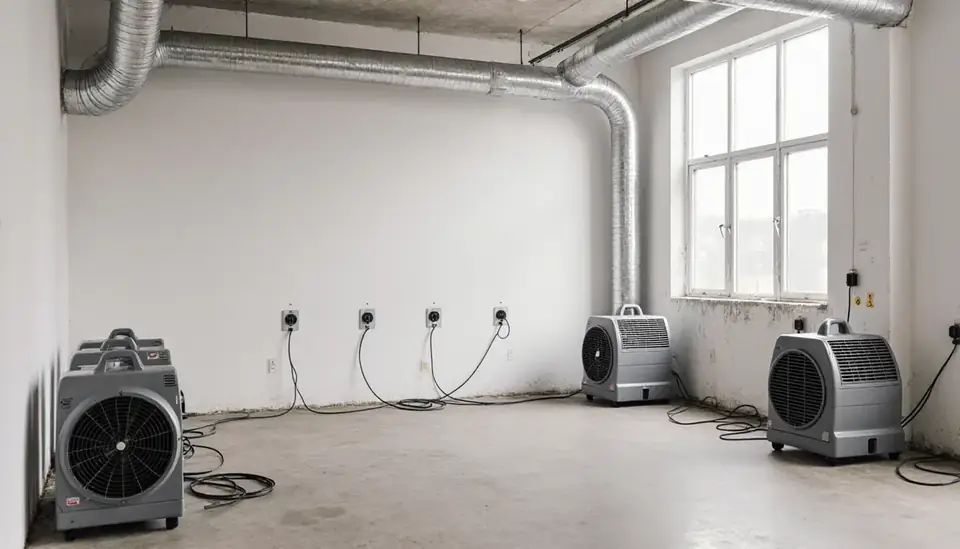
Fast extraction and steady dehumidification do the most good. If you see spotting or smell mustiness, a provider can test moisture levels behind finishes and recommend removal of any material that has started to grow mold.
Areas In and Around Port St. Lucie
Calls come in from across Port St. Lucie, including:
- Tradition
- St. Lucie West
- Sandpiper Bay
- Southbend Lakes
- Becker Ridge
- Riverland
- Tulip Park
- Floresta Pointe
The same line also serves nearby communities such as:
- Fort Pierce
- Stuart
- St. Lucie Village
- White City
- Jensen Beach
- Palm City
Common Questions
My swale is full and water is reaching the garage. Who do I call?
For the swale and driveway culvert in front of your lot, the property owner is responsible under city ordinance, while canals and control structures belong to the city. Report blocked public drainage to Port St. Lucie Public Works. If water is already inside, call (888) 317-9980 to be connected with an independent provider for extraction and drying while the drainage issue is sorted out.
Is my home in a repetitive-loss flood area?
The city's emergency management office says repetitive-loss properties are concentrated near the St. Lucie River and west of I-95 between Becker Road and Tradition. Check your exact parcel on the FEMA Flood Map Service Center or the city's flood zone map. Port St. Lucie's Community Rating System class gives a premium discount on flood insurance in special flood hazard areas.
Does homeowners insurance cover a septic backup?
Many policies exclude sewer or septic backup unless an endorsement was added. Read the water damage section of your policy and call your agent before discarding anything. Because septic backflow is heavily contaminated, porous items it touches usually cannot be saved, so photograph them first for the claim.
How long does structural drying take in a slab house here?
It depends on how long the water sat and how much reached the walls, but drying a typical room often takes several days with dehumidifiers and air movers running. Concrete slabs release moisture slowly, so a provider should take readings before new flooring goes down. Rushing that step can trap moisture under vinyl plank or tile.