

The St. Johns River shapes almost every water problem in Jacksonville. It flows north, drops less than 30 feet over its entire length, and carries Atlantic tides far inland, so it drains slowly and backs up easily. Add a nor'easter or a passing tropical storm and water that would normally run out to sea gets pushed back into Riverside, San Marco, downtown and the creeks that feed the river.
The Restoration Job doesn't do restoration work itself. Our free line at (888) 317-9980 is answered 24/7, and we connect callers with independent restoration providers serving Jacksonville and Duval County, from the Westside to the Beaches, so you can get help with extraction, drying and repairs.
How the call works: when you call (888) 317-9980, The Restoration Job connects you with an independent restoration provider that serves Jacksonville. That provider inspects the damage, explains the scope and quotes the work. The Restoration Job doesn't perform restoration itself. Read our referral disclosure.
Irma 2017: How the St. Johns Flooded the Urban Core
Hurricane Irma had weakened to a tropical storm by the time it reached Northeast Florida in September 2017, yet it produced the worst St. Johns River flooding Jacksonville had seen in well over a century. Forecasters described a trifecta: storm surge, 10 to 15 inches of rain and a high tide arriving together, with winds holding water in the river basin. The downtown gauge reached about 5.5 feet against a 2-foot flood stage, surpassing the levels from Hurricane Dora in 1964.
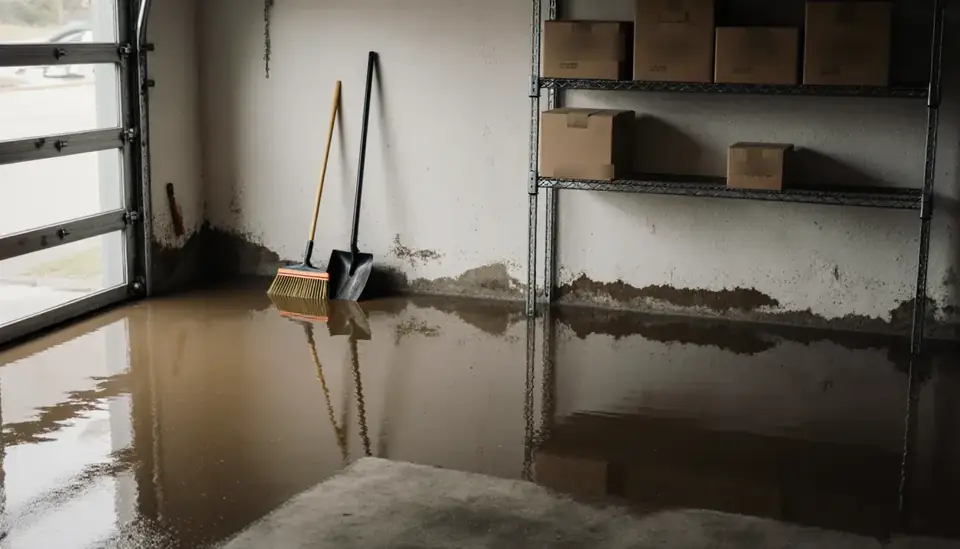
Independent Drive and nearby downtown streets went under roughly 2 feet of water, riverfront yards and garages flooded in San Marco, and on the Northside the Broward River overflowed into homes. More than 350 people were rescued. River water is not clean water; it carries runoff, debris and often sewage, so homes it entered generally need flood cleanup that includes removing wet materials and disinfecting framing.
Nor'easters, Tide Traps and Slow-Draining Water
Hurricanes are not the only threat. Fall and winter nor'easters push ocean water into the mouth of the river, and because the St. Johns has almost no slope, the extra water stacks up tide after tide. Local meteorologists call it a tide trap: levels at the Southbank can run a foot or more above normal for days, and a second storm arriving at a peak tide can cause flooding even without much rain. City emergency planners note that approaching storms make water back up the river, and that combining that with high tides and rainfall creates widespread flood risk.
For property owners across Jacksonville, this means water can linger. Low yards, bulkheads, crawl spaces and garages along tributaries such as the Trout and Ortega rivers may stay wet well after the sky clears, so drying often can't begin until the water fully recedes.
Older Homes in Riverside, Avondale, Springfield and Ortega
Riverside, Avondale, Springfield and Ortega are all listed historic districts, and older houses like many found there may have raised wood floors over crawl spaces, plaster walls and original framing. Homes built that way handle water differently from newer slab construction:
- Water under a raised floor can soak joists and subfloor while the room above looks fine
- Plaster and lath hold moisture longer and may need a different drying approach than drywall
- Hardwood floors can cup within days and sometimes recover if dried carefully
- Crawl space vapor barriers and insulation often need to be replaced after a flood
Ask a provider how they will measure moisture in framing and subfloor, not just surface materials. Careful structural drying can save original finishes that would be costly or impossible to replace.
Mold Under Floors and Inside Walls in a Humid River City
With about 52 inches of rain a year and long, humid summers, Northeast Florida gives mold plenty of moisture to work with. In older Jacksonville houses the trouble spots are the hidden ones: crawl spaces near the river, wall cavities behind wet plaster and the backside of baseboards. Run AC or dehumidifiers as soon as power is available, keep crawl space vents clear, and have wet areas checked within a day or two. A musty smell under the house after a flood is a sign the space needs attention even if nothing is visible inside.
Checking Your Flood Zone and Coverage in Duval County
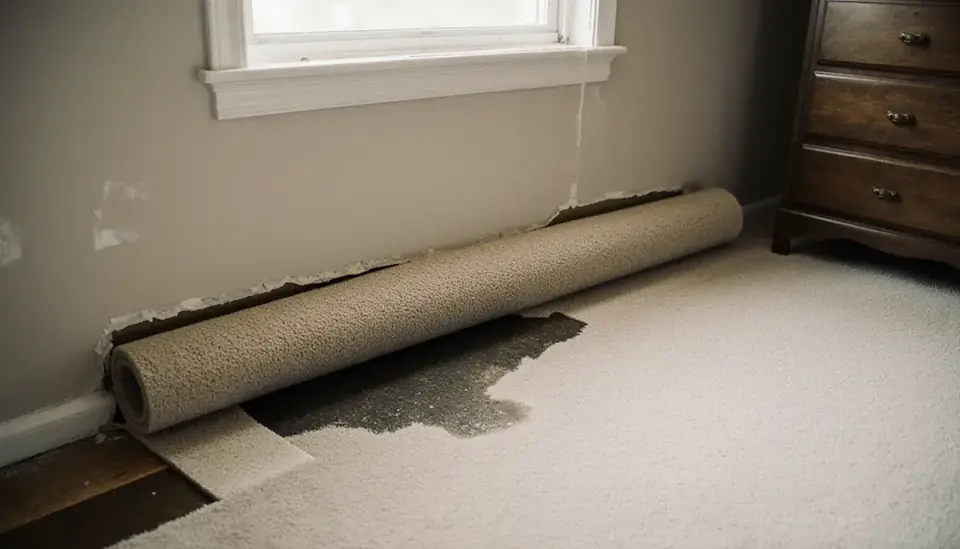
JaxReady, the city's emergency preparedness site, links to Duval County flood zone mapping and evacuation zone lookups, and FEMA's map service center shows official flood zones by address. Irma flooded properties that had never taken on water before, so a low-risk designation does not mean water can't reach the house. For Jacksonville owners, the key coverage point is that most homeowners policies exclude flood, which means river or tidal water entering the house usually requires a separate flood policy. Wind-driven rain or a burst pipe is typically handled under the standard homeowners policy instead. Photograph waterlines and damaged items before cleanup starts.
Jacksonville Neighborhoods and Surrounding Towns
Calls come in from across Jacksonville, including:
- Riverside
- Avondale
- San Marco
- Springfield
- Ortega
- Mandarin
- Arlington
- Southside
- Northside
- Downtown Jacksonville
The same line also serves nearby communities such as:
- Jacksonville Beach
- Atlantic Beach
- Neptune Beach
- Baldwin
- Orange Park
- Fleming Island
Frequently Asked Questions
Why does the river near my house stay high for days after a storm?
The St. Johns flows north and falls only about an inch per mile, so it drains to the Atlantic slowly. Northeast winds and incoming tides push water back upstream, and rain from farther south keeps arriving. That combination can hold water in low neighborhoods and tributary creeks long after a storm passes, delaying cleanup and drying.
I live at the Beaches, not on the river. Is my risk different?
Jacksonville Beach, Neptune Beach and Atlantic Beach face more direct ocean exposure, including surge and wind-driven rain during hurricanes and nor'easters. Homes there commonly deal with roof and window leaks and sand-laden floodwater. Inland river neighborhoods are more prone to slow-rising, lingering water. Either way, check your evacuation and flood zone on JaxReady.
Can a crawl space under an older Jacksonville home be dried, or does it need replacing?
Often the framing can be dried in place with air movement and dehumidification, but soaked insulation and damaged vapor barriers are usually removed. If river water got under the house, the area should also be cleaned and disinfected. Moisture readings on joists and subfloor show whether drying is working.
Should I start cleanup before the insurance adjuster arrives?
You can and generally should take reasonable steps to prevent further damage, such as removing standing water and soaked carpet, as long as you document everything first. Take wide and close-up photos, keep samples of removed flooring if possible, and save receipts. Waiting days in Northeast Florida humidity usually allows mold to start.