
Palatka grew up as a river port. The St. Johns bends past the foot of downtown, just where it narrows and starts its shallower, winding run south toward Lake George, and the city's oldest streets, brick paving and historic homes sit close to that bank. The river is the reason the town exists, and it is also the first thing residents watch when a tropical system or a long stretch of northeast wind sets up over Putnam County.
The Restoration Job is a free, round-the-clock referral line. Call (888) 317-9980 and we'll connect you with an independent restoration provider that serves Palatka, East Palatka and the surrounding river communities. That provider does the assessment, flood cleanup, drying and repair work; our job is to get you to them quickly.
How the call works: when you call (888) 317-9980, The Restoration Job connects you with an independent restoration provider that serves Palatka. That provider inspects the damage, explains the scope and quotes the work. The Restoration Job doesn't perform restoration itself. Read our referral disclosure.
When the St. Johns Backs Up Through Putnam County
The St. Johns flows north toward Jacksonville and the Atlantic, but it drops very little over its length, so wind, tide and heavy rain can all slow it down and raise water levels well inland. During Hurricane Irma in September 2017, county officials described extensive flooding on the river and its tributaries, with most gauges reaching major flood stage and some passing their historical records. The National Hurricane Center listed Putnam among the counties with major or record river flooding, and a rain gauge in East Palatka collected nearly 11 inches.
River water that enters a home is treated as contaminated. Officials warned residents at the time about tainted floodwater, and restoration crews handle it accordingly: wet carpet, insulation and the lower portion of drywall are removed, surfaces are cleaned and disinfected, and only then does drying begin.
Historic Homes in the North and South Districts
Two National Register historic districts run along the riverfront: the North Historic District, between Main and Bronson Streets with 76 historic buildings including the Bronson-Mulholland House, and the South Historic District reaching from Oak Street toward Morris Street. Victorian, Colonial Revival and other early styles are common. Houses from that period frequently sit on raised foundations with wood floors over a crawl space, and many have plaster walls and plumbing updated piecemeal over the decades.
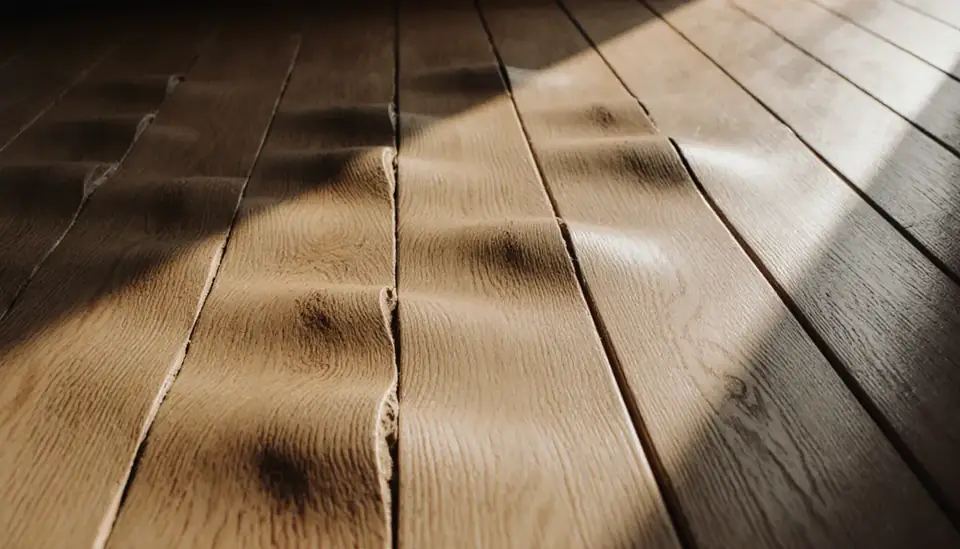
Water damage in an old house behaves differently from a slab-built ranch. Moisture can sit in the crawl space for weeks, swell old solid-wood flooring and wick into sill plates. Plaster dries slowly and may need to be checked with a meter rather than replaced. A provider experienced with older construction will usually set up drying from below as well as inside the rooms, and photograph original materials before removing anything.
Summer Storms, Ravines and Everyday Leaks
The hot, wet season runs from June into September, and afternoon thunderstorms can drop a lot of rain in an hour. The steep ravines preserved at Ravine Gardens are a reminder of how water carves this ground. Older gutters, flat porch roofs and low thresholds let that rain in, and a single missing shingle can let it reach an attic for several storms before anyone notices.
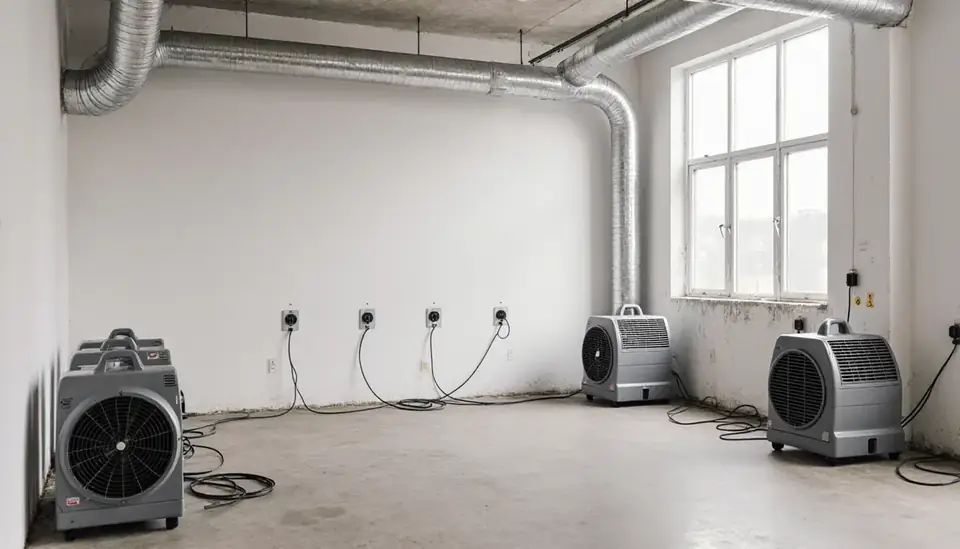
Inside the house, the usual suspects apply: a water heater that has rusted through, a cracked toilet tank, a clogged AC condensate line in the attic or a washing machine hose that splits while no one is home. These start as clean water and can often be dried in place if extraction begins promptly; left for days, they become harder and more expensive to fix.
Mold Risk in a Humid River Town
Between the river, the summer heat and older buildings with crawl spaces, humidity is a constant in Palatka. That makes wet materials especially prone to mold. Drywall, wood subfloor and insulation can begin growing it within a day or two, and crawl spaces under historic homes can harbor it out of sight long after the visible water is gone.
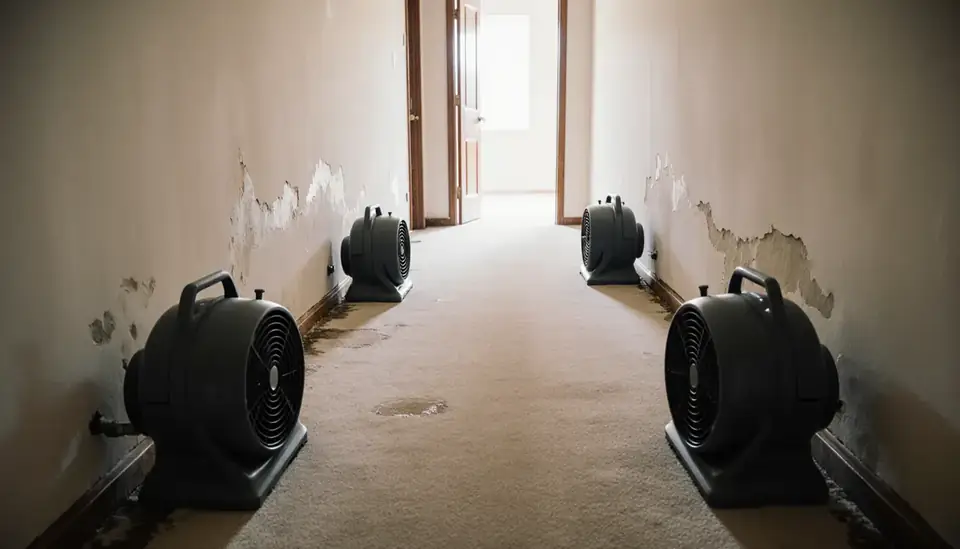
Keep the air conditioning running if it is undamaged, open cabinet doors under sinks to let air move, and avoid sealing or painting over damp areas. Where growth is spread across a wall or under a floor, professional mold remediation with containment keeps spores from moving into the rest of the house.
A Short Checklist for Putnam County Homeowners
- Know your flood zone. Look up your address on the FEMA Flood Map Service Center, especially for riverfront and low-lying lots.
- Buy flood coverage early. Standard homeowners policies exclude rising water, and new flood policies usually have a waiting period.
- Watch NWS Jacksonville river forecasts. The office issues flood warnings for the St. Johns basin when levels are expected to rise.
- Document before cleanup. Photos, video and a list of damaged items help any claim.
- Call early. Mitigation does not have to wait for an adjuster; dial (888) 317-9980 for a provider referral.
More statewide information is on our Florida service areas page.
Palatka Neighborhoods and Surrounding Towns
Calls come in from across Palatka, including:
- Palatka North Historic District
- Palatka South Historic District
- Downtown Palatka
- Ravine Gardens
The same line also serves nearby communities such as:
- East Palatka
- San Mateo
- Interlachen
- Bostwick
- Crescent City
- Green Cove Springs
Palatka Water Damage Questions
How do I know if the St. Johns is about to flood my Palatka home?
The National Weather Service in Jacksonville issues river and coastal flood warnings for the St. Johns basin, and Putnam County relays evacuation orders when they are needed. Persistent northeast winds or a slow-moving tropical system are the setups to watch. If your property flooded during Irma in 2017, assume it can flood again and move valuables off the floor early.
Can the original wood floors in my historic house be saved?
Often, if the water was clean and drying starts quickly. Solid wood floors can cup when wet and flatten again as they dry slowly under controlled conditions, with drying set up from the crawl space as well. River floodwater is a different matter, since contamination may require removing and replacing boards. A provider should take moisture readings and photos before deciding.
Is crawl-space moisture a mold concern even if no water reached the rooms?
Yes. Water that pools under a raised house after a storm or a plumbing leak raises humidity in the subfloor and can feed mold on joists and the underside of flooring. Signs include a musty smell, soft spots underfoot or condensation on ductwork. Getting standing water pumped out and the space dried usually prevents a larger problem.