
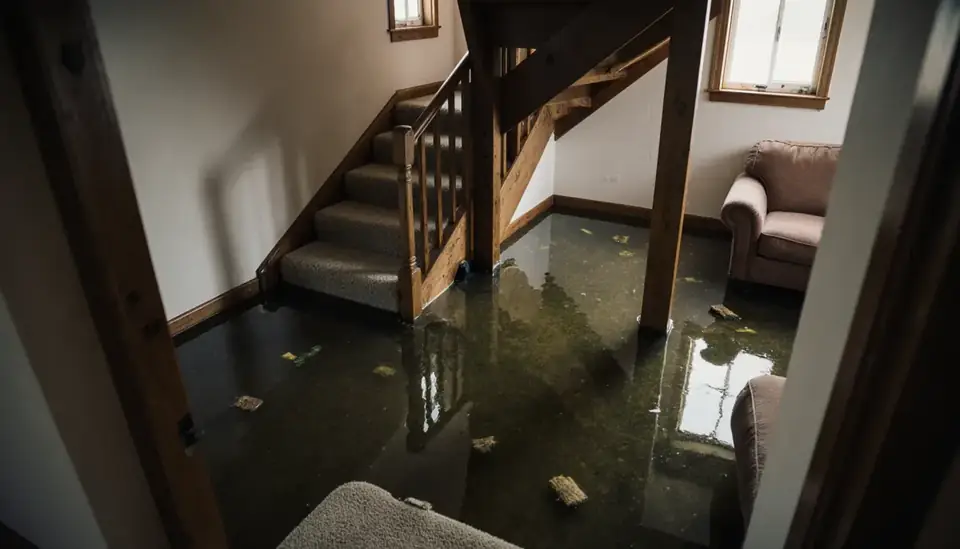
Almost a third of Orange Park's town limits is water. The St. Johns River runs along its eastern edge, Doctors Lake wraps around the south side, and most of the town sits only about 13 feet above sea level. That geography makes for shaded riverfront streets and long docks, and it also means that high water on the river, a tropical downpour or a broken supply line inside the house can all end in the same place: wet floors, soaked drywall and a short window before mold gets started.
The Restoration Job is a free referral line, open 24/7. Call (888) 317-9980 and we'll connect you with an independent restoration provider that works in Orange Park and the surrounding Clay County communities. The provider handles the inspection, the water damage restoration work and the drying; we simply make the connection so you are not searching listings while water spreads.
How the call works: when you call (888) 317-9980, The Restoration Job connects you with an independent restoration provider that serves Orange Park. That provider inspects the damage, explains the scope and quotes the work. The Restoration Job doesn't perform restoration itself. Read our referral disclosure.
Where the St. Johns and Doctors Lake Push Water Into Town
Doctors Lake is roughly 13 square miles of brackish water joined to the St. Johns through Doctors Inlet, where U.S. 17 crosses. Because the river is tidal and slow, strong northeast winds can stack water up in it for days, and the lake rises along with it. Homes on River Road, along Doctors Lake Drive and on the low lots off Kingsley Avenue are the ones most exposed when that happens.
Hurricane Irma in September 2017 showed how this plays out. The National Hurricane Center reported significant flooding along the banks of the St. Johns from a mix of storm surge and rain runoff, and Clay County ordered evacuations near Doctors Lake. A rain gauge in town logged just over 11 inches, and riverfront condominiums near Club Continental took on water. Countywide, about 450 homes were heavily damaged or destroyed.
Brackish Floodwater Versus a Leak From Inside the House
Water that comes in from the river or the lake is treated as contaminated. It carries silt, debris and whatever runoff it picked up on the way, so carpet, pad, the lower part of the drywall and wet insulation usually get cut out and thrown away instead of being dried. Brackish water also leaves salt behind, which keeps materials damp and can corrode metal fasteners and electrical parts, so a provider doing flood cleanup will generally clean and disinfect the framing before drying it.
Most calls in town are not river floods at all. A failed water heater in the garage, a cracked toilet supply line, a clogged AC condensate drain, or a roof leak after one of the summer thunderstorms that roll in off the river are far more common. Clean water like this can often be extracted and dried in place if someone gets to it within the first day or two.

What a Restoration Visit Usually Covers
- Stopping the source. Shut off the main valve, or the water heater supply, and turn off power to any wet room if it is safe to reach the breaker.
- Documentation. Photos and moisture readings before anything is moved help with your insurance claim.
- Extraction. Truck-mounted or portable units pull standing water from carpet and hard floors.
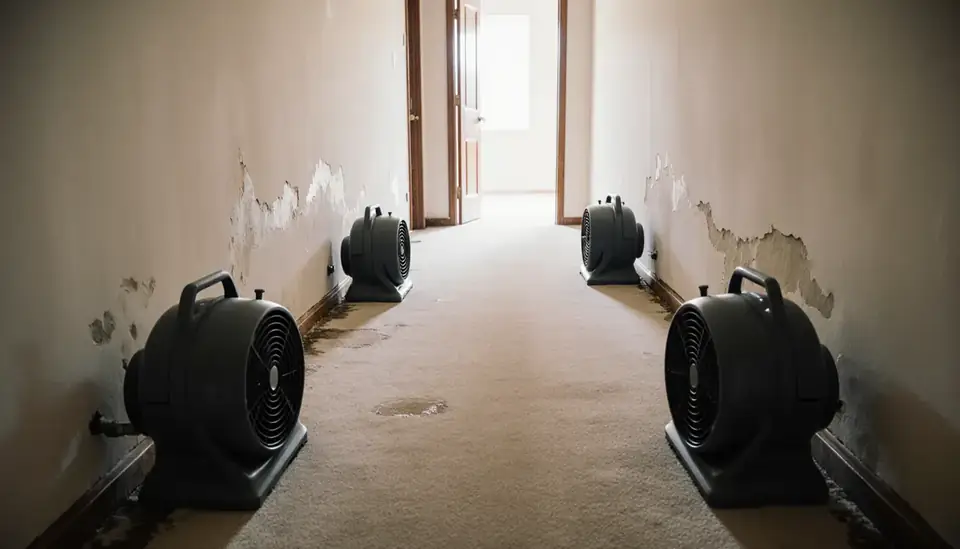
- Drying. Dehumidifiers and air movers run for several days while a technician checks moisture in walls, subfloors and cabinets. Read more about structural drying.
- Repairs. Drywall, baseboards and flooring are replaced only after readings confirm the structure is dry.
For a lake or river flood, add a removal and sanitizing step before drying begins.
Humidity, Tree Canopy and Mold Along the River
Orange Park calls itself a Tree City USA, and the oaks that shade its streets also keep roofs, siding and crawl areas from drying out after rain. Combine that with the river humidity of a northeast Florida summer and wet materials can start growing visible mold within a couple of days. Closets on exterior walls, the backs of kitchen cabinets and the space under bathroom vanities are where it tends to show up first.
Keep the AC running if the system was not flooded, avoid using fans that blow moldy debris around, and do not just paint over stains. When growth covers more than a small patch, or when it follows floodwater, professional mold remediation with containment is the safer route.
Flood Maps and Coverage for Clay County Riverfront Property
Standard homeowners policies do not cover rising water from the St. Johns or Doctors Lake. That requires a separate flood policy, and new policies generally carry a waiting period before coverage starts, so buying one when a storm is already in the forecast is usually too late. You can look up your lot on the FEMA Flood Map Service Center; many waterfront parcels in town fall in mapped flood zones, but plenty of losses also happen just outside them. Neighbors in Fleming Island and Oakleaf Plantation face similar questions, and the broader picture for the state is on our Florida service areas page.
Neighborhoods and Nearby Communities
Calls come in from across Orange Park, including:
- River Road
- Doctors Lake Drive
- Kingsley Avenue
- Park Avenue
- Laurel Grove
- Clarke House Park area
The same line also serves nearby communities such as:
- Fleming Island
- Lakeside
- Doctors Inlet
- Oakleaf Plantation
- Middleburg
- Green Cove Springs
- Jacksonville
Questions From Orange Park Property Owners
Does Doctors Lake flood homes even without a direct hurricane hit?
It can. The lake rises and falls with the St. Johns River, and the river responds to wind and tide as well as rain. A strong, persistent northeast wind or a slow tropical system offshore can hold water high for several days. Low lots along the shoreline and near Doctors Inlet are the first to see water, so keep an eye on NWS Jacksonville coastal flood advisories for the St. Johns basin.
Can drywall be saved after river water gets into my Orange Park house?
Usually not the part that got wet. River and lake water is considered contaminated, so restoration crews typically cut drywall a foot or more above the waterline, remove wet insulation and discard carpet and pad. The framing behind it is cleaned, disinfected and dried. Clean-water leaks from a supply line are different, and walls can often be dried in place if the work starts quickly.
Who should I call first, my insurer or a restoration company?
Stop the water and keep everyone safe first. Then call your insurance company to open a claim and call (888) 317-9980 to be connected with an independent restoration provider. Mitigation, meaning extraction and drying, generally should not wait for an adjuster visit, but take photos of everything before work begins and keep receipts.
Is mold likely if the water only sat for a day?
In a humid riverfront town, it is possible. Wet drywall and carpet pad can begin to support growth within 24 to 48 hours in summer conditions. Prompt extraction and dehumidification usually prevent it. If you notice a musty smell days later, have moisture readings taken behind baseboards and inside lower cabinets.