

As the northernmost city on Florida's Atlantic coast, Fernandina Beach occupies much of Amelia Island, the last of the barrier islands before Georgia. The Amelia River and its marshes border the island on the west, Egans Creek winds through its interior, and the Atlantic runs along the east. The historic downtown grew up facing the river, and that is where storm tides tend to show up first, on Front Street and the cross streets that slope down to the water.
The Restoration Job is a free referral line, not a restoration company. Call (888) 317-9980 any hour and we'll connect you with an independent provider that serves Amelia Island, whether you are dealing with tidal water in a downtown storefront, rain runoff in a newer home off the beach or a burst pipe in an older house in the historic district.
How the call works: when you call (888) 317-9980, The Restoration Job connects you with an independent restoration provider that serves Fernandina Beach. That provider inspects the damage, explains the scope and quotes the work. The Restoration Job doesn't perform restoration itself. Read our referral disclosure.
Matthew's Storm Tide on the Amelia River
Hurricane Matthew stayed offshore in October 2016, but the tide gauge at Fernandina Beach peaked at 6.91 feet above the NAVD88 datum, about 4.3 feet above the predicted high tide and the third-highest level ever recorded there, according to the National Weather Service in Jacksonville. Forecasters also issued a flash flood emergency for the Egans Creek drainage that afternoon. Both details matter for property owners: the river side of the island is exposed to surge, and the creek basin in the middle of the island can flood from rain and tide at the same time.
Downtown Streets Under Water During Nicole
Hurricane Nicole in November 2022 brought a reminder of how low the downtown grid sits. Local coverage reported flooding on Front, Ash, Centre, Alachua, 8th, Calhoun, Dade and Escambia streets, and Atlantic Avenue briefly went under where it crosses Egans Creek. On the ocean side, the barrier dune held, though back-to-back storms that fall left it badly eroded. The St. Johns River Water Management District has also helped fund shallow swales across 26 city blocks to manage stormwater and tidal flows before they reach the river.
For downtown businesses and residences, tidal flooding usually means silty, brackish water that enters at floor level. A provider handling flood cleanup will typically remove wet flooring and the lower portion of walls, clean and disinfect, and dry the structure before anything is rebuilt.
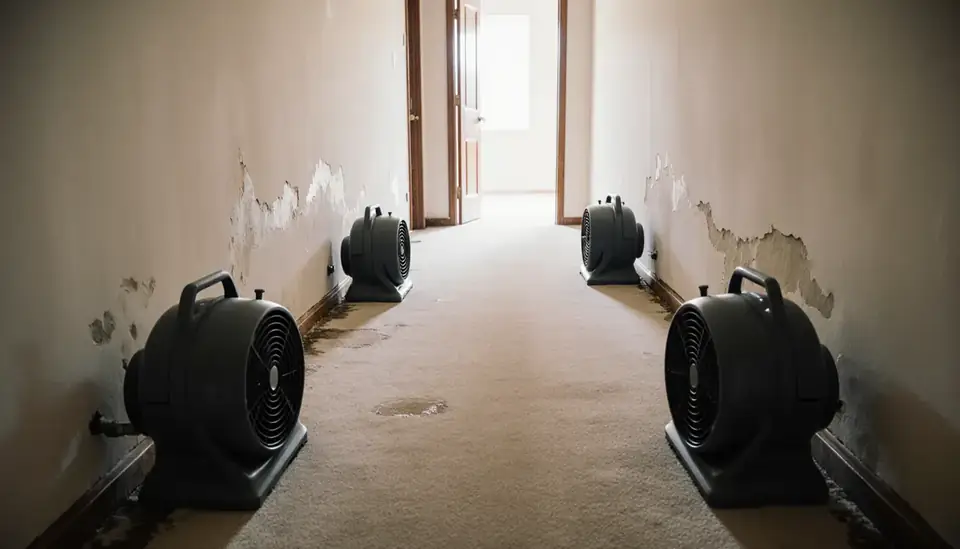
Victorian and Frame Vernacular Homes in the Historic District
The Fernandina Beach Historic District includes roughly 300 buildings from the late 19th and early 20th centuries, many in Victorian and frame vernacular styles with Queen Anne touches. Old Town, north of downtown overlooking the river, predates the current street grid. Water damage in these buildings calls for a slower, more careful approach:
- Original heart pine floors and plaster walls can often be dried in place rather than torn out, if the work starts quickly and drying is controlled.
- Older plumbing and later additions are common leak points, especially where new fixtures were tied into aging lines.
- Raised wood floors trap humidity underneath after a flood, so the area below the house needs attention, not just the rooms above.
Ask any water damage restoration provider how they handle historic materials before work begins.
Heavy Rain: September Totals and Irma's Twelve Inches
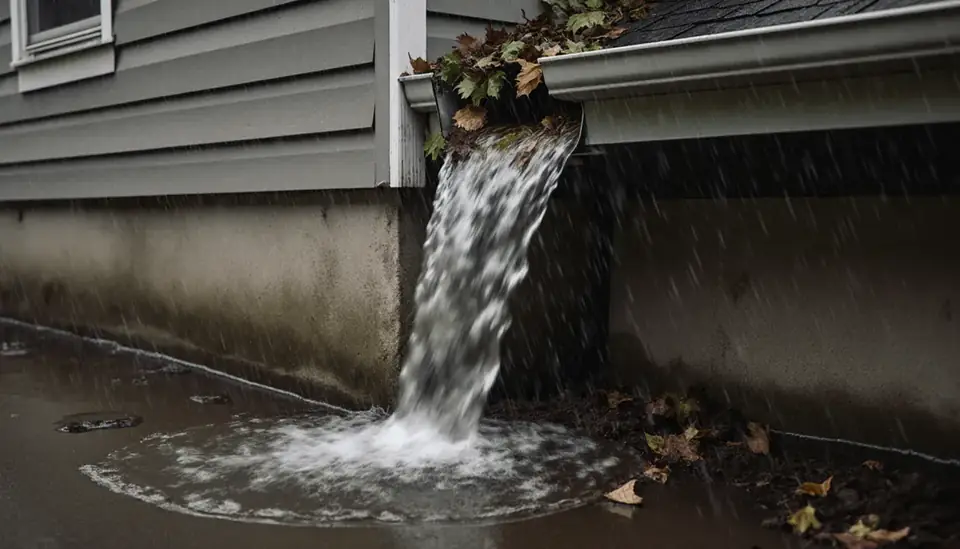
Fernandina Beach has a humid subtropical climate with long, rainy summers. June through September are the wettest months, and September averages a little over 7 inches of rain. Tropical systems can deliver far more: during Hurricane Irma in 2017, the city recorded about 12.7 inches, one of the highest totals in Northeast Florida. Local conservation groups also point to newer development across the island, with more pavement and fewer trees, as a reason some residential areas now flood after heavy storms. Rain-driven flooding tends to hit slab homes, garages and ground-floor rooms in low spots, even well away from the river.
Island Humidity and Mold in Older Wood Framing
Amelia Island's damp air means wet wood, plaster and drywall stay wet unless they are actively dried. Mold tends to appear first in closets on exterior walls, under sinks, inside wall cavities and under raised floors. Running air conditioning, using dehumidifiers and confirming moisture readings before closing anything up are the basics. Where growth has already spread, mold remediation with proper containment protects the rest of the house, which matters in older homes with open framing and shared air pathways.
Fernandina Beach Neighborhoods and Surrounding Towns
Calls come in from across Fernandina Beach, including:
- Downtown Historic District
- Old Town
- Centre Street
- Front Street waterfront
- Egans Creek area
The same line also serves nearby communities such as:
- Yulee
- Amelia City
- American Beach
- Callahan
- Hilliard
- Jacksonville
Questions From Fernandina Beach Property Owners
Does flooding on Front Street mean my downtown building will flood in every storm?
Not every storm, but the downtown grid sits low beside the Amelia River, and storms like Matthew and Nicole pushed water into several streets. Check your property's flood zone on FEMA's map service, keep valuables and electrical equipment off the floor in vulnerable spaces, and confirm whether your coverage includes flood, since standard property policies usually exclude it.
Can the original floors in my historic home be saved after a leak?
Often, yes, if drying starts quickly. Solid wood floors and plaster can tolerate controlled drying better than many modern materials, but they can cup, crack or grow mold if left wet. Floodwater from outside is a different case, because contamination may require removal. A provider can measure moisture, recommend what to keep and explain the tradeoffs before anything is pulled up.
Who should I contact for storm information on Amelia Island?
Nassau County Emergency Management runs the One Nassau program and the AlertNassau notification system, and it publishes evacuation zone maps and hazard guides. The National Weather Service office in Jacksonville issues the watches, warnings and coastal flood statements for the island. The City of Fernandina Beach posts local alerts on its website.
My house isn't near the water. Why did it flood?
Heavy rain is enough on its own. When several inches fall in a short time, drainage swales and pipes can fill, and water collects in low lots and against slab foundations. Hurricane Irma dropped more than a foot of rain on the city. Grading, gutter discharge and nearby pavement all influence where runoff goes, so a flood far from the shoreline is not unusual here.