
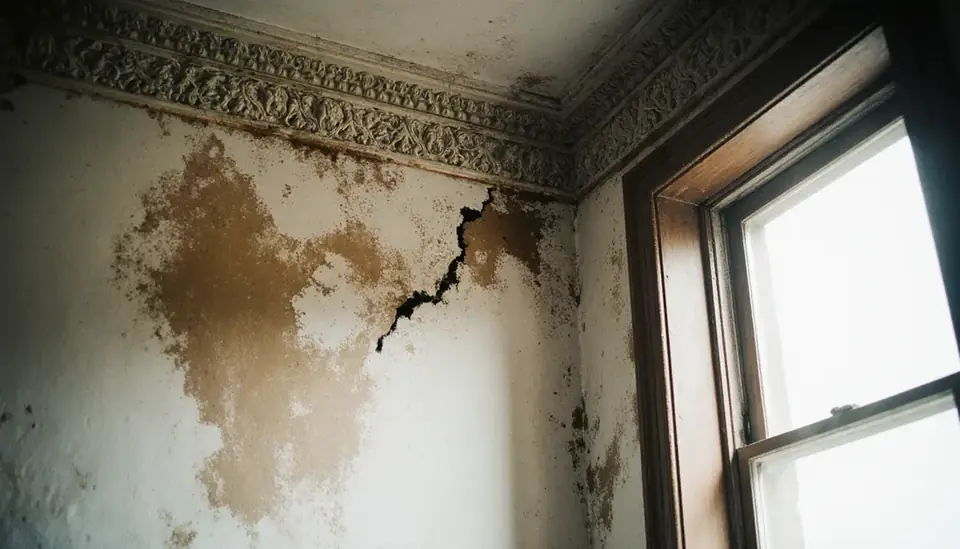
About nine out of ten St. Augustine residents live in a floodplain, according to the city's own flood hazard information. The oldest city in the country was built at elevation close to zero, between the Matanzas River, the San Sebastian River and a web of creeks such as Hospital Creek, Oyster Creek and Maria Sanchez Lake. Heavy rain falling during a high tide, storm surge pushed through the St. Augustine Inlet, and drainage pipes that are old or undersized for today's needs all combine to put water into homes and businesses.
The Restoration Job is a free referral service that answers its phone line 24/7. Call (888) 317-9980 and we'll connect you with an independent restoration provider that works in St. Johns County. We don't employ crews or perform repairs ourselves; third-party companies do the work, and you decide who to hire.
How the call works: when you call (888) 317-9980, The Restoration Job connects you with an independent restoration provider that serves St. Augustine. That provider inspects the damage, explains the scope and quotes the work. The Restoration Job doesn't perform restoration itself. Read our referral disclosure.
Davis Shores, Lincolnville and the Low Ground Near Old Creeks
The city lists Davis Shores, Lincolnville, the historic districts and the Abbott Tract among the neighborhoods that have flooded in past events. Their risks differ. Davis Shores, on Anastasia Island across the Bridge of Lions, faces Matanzas Bay and has seen street flooding on high-tide cycles; the city added a seawall and larger pipes at the Coquina Park creek to cut down on that nuisance flooding, but many homes there still took on water during Hurricane Ian. Lincolnville, on the peninsula southwest of downtown, was shaped by Maria Sanchez Creek, parts of which were filled in during the 1880s. Nelmar Terrace, north of the old city, is bordered by Hospital Creek. Ground that was once marsh or creek bed tends to be where water returns.
From Dora to Nicole: Surge History on Matanzas Bay
St. Johns County's hazard history records Hurricane Dora in September 1964 as the last direct landfall, with storm surge approaching 10 feet inundating downtown and Davis Shores. More recent storms have stayed offshore and still done serious harm. Hurricane Matthew in October 2016 produced extensive flooding downtown, and the National Weather Service noted water flowing across Anastasia Island about 2.5 feet above ground. Irma followed in 2017 with flooded streets in the historic district and 10.22 inches of rain in the city. In 2022, Ian and then Nicole six weeks later caused tens of millions of dollars in residential losses across the county, with Nicole flooding Davis Shores again.
When Floodwater Includes Sewage
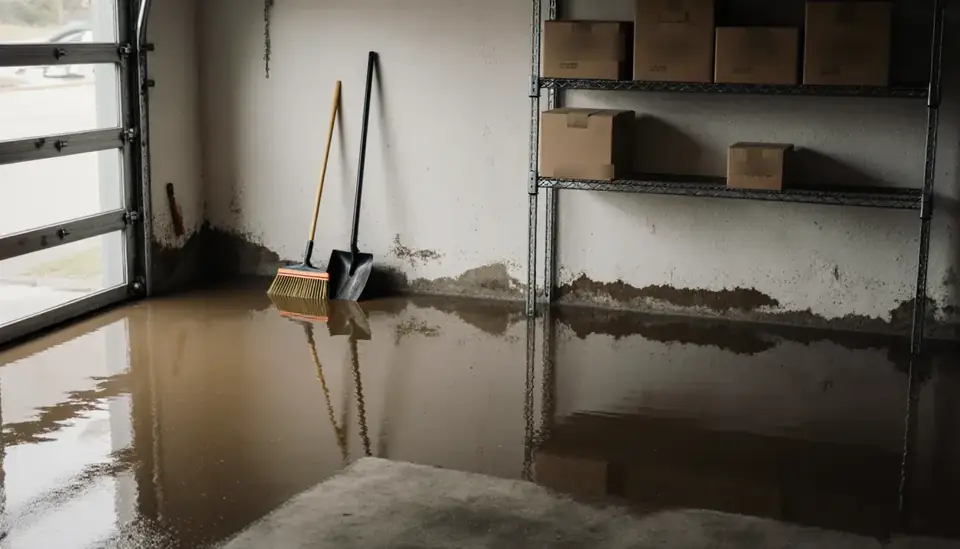
During Matthew, lift stations failed and sewage backed up into homes and onto roads; the city later raised and upgraded many of them with FEMA funding, and they performed as intended during Ian. Even so, any water that arrives from the street, the bay or a floor drain should be treated as contaminated. Practical steps:
- Keep children and pets out of affected rooms and avoid contact with the water.
- Cut the breakers for flooded rooms only if the panel is dry and you can get to it safely.
- Do not run fans across contaminated areas before cleanup, as that spreads particles.
- Photograph everything for your insurer before removal begins.
A provider handling sewage cleanup will remove saturated porous materials, disinfect, and then dry what remains. For broader tidal or storm flooding, flood cleanup follows a similar sequence on a larger scale.
Coquina, Plaster and Old Wood: Drying Historic Buildings
Coquina stone, the shell rock used for the Castillo de San Marcos, also turns up in the walls and foundations of older St. Augustine buildings, alongside plaster over lath and early 20th-century frame houses. These materials hold moisture differently from modern drywall. Coquina and lime plaster can absorb water and release it slowly, while old-growth wood floors may cup if dried too fast or too slow. Before any demolition, ask whether the provider can dry historic materials in place where that is realistic, and ask the city whether its preservation staff needs to sign off if exterior work or replacement of original features is involved.

Mold Risk Through a Long, Humid Summer
Summer highs in the lower 90s and overnight lows in the 70s keep indoor humidity high whenever the AC is off or a building has been opened up after a flood. Under those conditions, mold can appear on wet drywall, wood trim and the backs of cabinets within a couple of days. Fast water removal, steady dehumidification and moisture readings that confirm walls are dry before they are closed are what prevent it. Visible growth over a larger area is a job for mold remediation with containment, which matters in tightly packed older buildings where rooms share air and framing.
Where Callers in the St. Augustine Area Are
Calls come in from across St. Augustine, including:
- Historic Downtown
- Lincolnville
- Davis Shores
- Nelmar Terrace
- Abbott Tract
The same line also serves nearby communities such as:
- St. Augustine Beach
- Vilano Beach
- St. Augustine Shores
- Butler Beach
- Fruit Cove
Common Questions
Is my St. Augustine home likely to be in a flood zone?
There's a good chance. The city estimates that roughly 90 percent of residents live in floodplains. Look up your address on FEMA's Flood Map Service Center and the city's flood hazard pages, which also cover flood warning and insurance information. Homeowners policies typically exclude flood, so a separate flood policy is the usual way to cover rising water, surge and tidal flooding.
Water came up through my floor drain during a storm. Is that sewage?
It can be. When heavy rain and high tide hit at once, sewer and storm systems in older parts of the city can back up. Treat that water as contaminated, keep people away from it, and avoid using sinks, toilets and washers until the backup stops. A sewage cleanup provider will remove affected materials, disinfect and dry the space.
Does a historic designation change how water damage repairs are done?
Interior drying and cleanup usually proceed the same way, though careful handling of original plaster, wood and coquina is wise. Exterior changes, replacement of historic features or elevation projects may require approval from the city's preservation staff. Ask the city before replacing doors, windows or siding, and keep photos and samples of damaged original materials in case they are needed.
The storm stayed offshore. Why did downtown still flood?
Offshore hurricanes push water toward the coast and hold tides above normal for several cycles. Matthew passed east of the city in 2016 and still caused extensive downtown flooding. Add heavy rain falling on streets where drainage is slowed by high water in the bay, and low blocks can flood even without a direct hit.