
Venice Island is not a barrier island in the usual sense. It is a piece of the mainland that became an island when the Intracoastal Waterway was cut through, so the historic downtown, the beaches and many older homes are reached by bridge, with the Gulf on one side and the waterway and Roberts Bay on the other. The city was laid out in the 1920s from a plan by John Nolen and developed by the Brotherhood of Locomotive Engineers, and much of that early street pattern still guides where water drains.
The Restoration Job's line at (888) 317-9980 is free and staffed 24/7. We are a referral service: we'll connect you with an independent restoration provider serving Venice and south Sarasota County, and that company handles the assessment, drying and repairs.
How the call works: when you call (888) 317-9980, The Restoration Job connects you with an independent restoration provider that serves Venice. That provider inspects the damage, explains the scope and quotes the work. The Restoration Job doesn't perform restoration itself. Read our referral disclosure.
Back-to-Back Surge From Helene and Milton
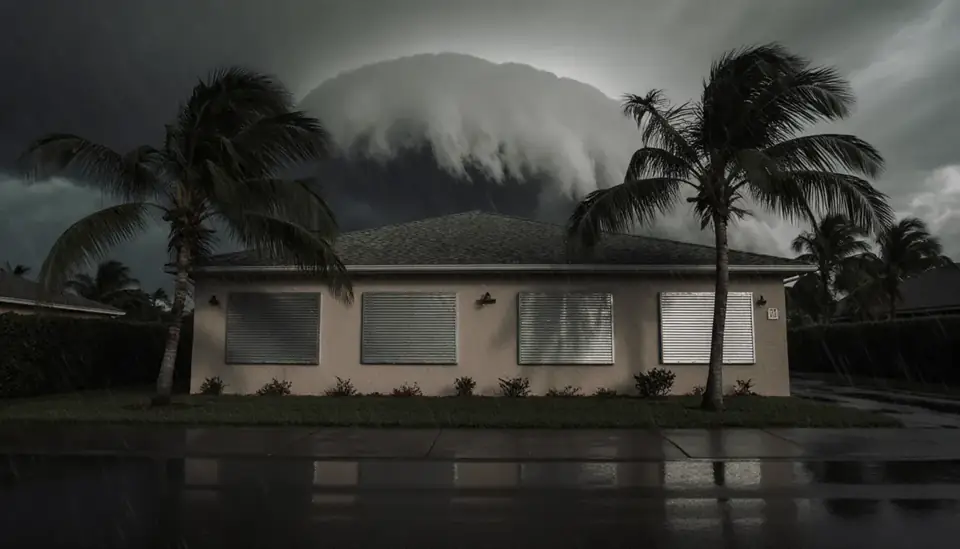
Two hurricanes struck within two weeks in 2024. Helene passed offshore in late September, and a USGS sensor near the Venice Fishing Pier measured 5.71 feet above mean higher high water, with the National Hurricane Center estimating 4 to 6 feet of inundation from Venice south past Englewood. Milton made landfall just to the north on Siesta Key on October 9, placing the city close to its worst surge and wind. The sensor near the pier recorded 6.74 feet during Milton, and local reports noted gusts near 69 mph.
Much of the flooding happened inside mapped flood zones near the coast, and some homes near Venice Beach were still uninhabitable months later. Owners who were midway through Helene repairs when Milton arrived often had to start over. If that describes your property, keep the paperwork for each storm separate and photograph every stage of the work.
Retiree Households and Getting Help Fast
Venice has one of the oldest populations of any Florida city, with a median age near 70 and more than 60 percent of residents 65 or older. That shapes how water damage tends to unfold here: leaks in homes left empty for a season can go unnoticed, and heavy lifting during cleanup is not realistic for many owners.
- Arrange for a neighbor or property manager to check the house while you are away, especially during hurricane season.
- Turn off the main water supply before leaving for extended periods.
- Keep insurance policy numbers and photos of rooms and contents somewhere you can reach from out of town.
- Leave moving soaked furniture and pulling up wet carpet to a restoration crew.

Older Homes in the Edgewood Historic District
The Edgewood Historic District, bounded by School Street, Myrtle Avenue, Venice-By-Way and Groveland Avenue, was listed on the National Register of Historic Places in 1989 and includes 36 historic buildings. Homes from the city's founding era and the decades after were built with materials and details that are worth saving when possible.
When water gets into an older home, ask for drying to be tried before demolition where the water was clean. Wood floors and framing often recover with monitored structural drying, while contaminated floodwater generally means porous materials must go. Exterior changes in historic areas may need extra approvals, so check with the city before replacing windows or doors.
Rainy-Season Leaks and Keeping Mold in Check
Venice averages a little over 51 inches of rain a year, with August the wettest month at more than 8 inches. Summer storms test roofs, skylights, sliding doors and the seals around lanai enclosures, and storm-weakened roofs from 2024 can keep leaking quietly long after visible repairs. Water that runs down inside a wall can stay hidden until stains or soft drywall appear.
In this humidity, mold can develop on wet materials within a few days. Stopping the leak, drying the cavity and checking with a moisture meter usually keeps the problem small. Where growth is already visible, containment and professional mold remediation prevent spores from spreading through the AC. Storm-related roof and window damage is typically addressed through storm damage cleanup before interior repairs begin.
Venice Neighborhoods and Surrounding Towns
Calls come in from across Venice, including:
- Venice Island
- Downtown Venice
- Edgewood Historic District
- Venice Beach area
- Roberts Bay waterfront
The same line also serves nearby communities such as:
- Nokomis
- Osprey
- South Venice
- Venice Gardens
- Englewood
- North Port
- Laurel
Common Questions
My Venice condo flooded during Helene and again during Milton. What should I document?
Treat each storm as its own loss. Keep dated photos, moisture readings and invoices from the Helene work, then photograph the new damage from Milton before anything is removed. Note which repairs were complete, which were still drying and which areas were newly affected. Share the same records with your association, since building and unit coverage often overlap.
Is water on Venice Island more likely to be saltwater?
During a storm surge, yes. Water from the Gulf, the Intracoastal Waterway or Roberts Bay is salty and carries sand and debris, and it is treated as contaminated. Salt keeps drawing moisture into drywall and wood, so affected porous materials are usually removed. Water from a burst pipe or roof leak is cleaner and can often be dried in place if handled quickly.
I'm away for the summer and my neighbor found water in my house. What now?
Ask your neighbor to shut off the main water valve and take photos, then call your insurer. Call (888) 317-9980 to be connected with an independent provider serving Venice who can coordinate access, extract water and start drying. Because mold can start within days in summer, it helps to authorize drying quickly even if you can't be there in person.