
The Caloosahatchee River defines Fort Myers. It runs past downtown wide enough that nearly a fifth of the city's mapped area is water, and the land beside it rises only about ten feet above sea level. During Hurricane Ian that river became a channel for Gulf surge, pushing saltwater into neighborhoods that are miles from any beach.
You can reach The Restoration Job's free line at (888) 317-9980 around the clock. We don't send crews; we connect callers with independent restoration providers that already serve Fort Myers and surrounding Lee County, so you can talk through extraction, drying and repairs with someone who knows the area.
How the call works: when you call (888) 317-9980, The Restoration Job connects you with an independent restoration provider that serves Fort Myers. That provider inspects the damage, explains the scope and quotes the work. The Restoration Job doesn't perform restoration itself. Read our referral disclosure.
How Ian's Surge Moved Up the Caloosahatchee
Ian made landfall near Cayo Costa on September 28, 2022. According to the National Hurricane Center, the tide gauge at Fort Myers recorded 7.26 feet above mean higher high water, with estimated inundation of 5 to 8 feet above ground in the city. Near the river's mouth at Punta Rassa, a USGS sensor measured 8.37 feet, and Fort Myers Beach saw the highest reading of the storm at 12.70 feet. NHC attributed 36 of Ian's 41 surge deaths to Lee County.
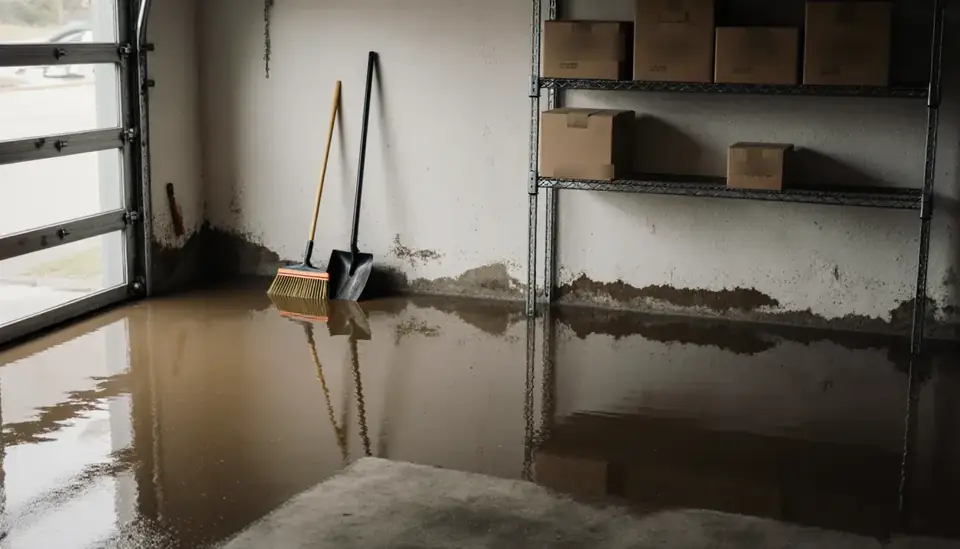
River surge tends to rise and linger. Water pushed upstream can sit in low streets and garages for hours, soaking deeper into slabs, block walls and cabinetry than a quick rain flood would. Homes that took river water typically need silt removed, wet drywall and insulation cut out, and every cavity dried and verified before rebuilding. Saltwater also corrodes outlets, breaker panels and appliance controls, so have those inspected before restoring power.
Rebuilding, Elevation and the City's 50 Percent Threshold
Many Fort Myers owners are still weighing whether to repair in place or rebuild higher. The city's floodplain guidance follows FEMA's rules: substantial damage occurs when restoring a building would cost 50 percent or more of its market value, and substantial improvement counts the cumulative cost of repairs and upgrades over a 12-month period. Crossing either line generally means the structure must meet current flood elevation requirements.
- Get the drying and demolition costs documented separately from rebuild costs.
- Ask the city's floodplain coordinator about your flood zone and whether an elevation certificate is on file.
- Pull permits for repairs; Fort Myers maps include high-hazard V zones and river floodways with stricter standards.
- Keep in mind that flood coverage is separate from a standard homeowners policy.

Summer Thunderstorms and Everyday Leaks
Fort Myers averages just over 57 inches of rain a year, and roughly two thirds of it falls between June and September. The city also logs about 89 days a year with thunder, more than anywhere else in the country. Afternoon downpours expose weak roof flashing, clogged gutters and failing window seals, and lightning-driven power surges can knock out sump pumps and AC units right when they are needed.
Not every problem is weather-related. Water heaters in garages, slab leaks under older homes, and overflowing AC drain pans are routine calls in Lee County. For any of them, fast water extraction followed by measured drying limits how far the damage spreads.
Care for 1920s Homes in Dean Park and Edison Park
The city's historic districts, including Dean Park, Edison Park and Seminole Park, hold homes built roughly between 1916 and the mid-1920s. Original wood floors, plaster walls and older framing respond to water differently from modern drywall and tile. Plaster can often be dried in place rather than torn out, and hardwood may recover with careful, slow drying. Exterior changes in designated districts may also involve the city's historic preservation process, so check before replacing windows, doors or siding.

Keeping Mold Out After the Water Is Gone
Warm, humid air means that wet materials left for more than a day or two are at real risk of growth. Mold commonly turns up behind baseboards, under vinyl flooring, and inside the lower cabinets of kitchens and baths. A provider will typically pair dehumidification with moisture mapping and, if growth is found, contain the area during mold cleanup so spores don't spread to dry rooms. Running the air conditioning once it's safe to do so helps hold indoor humidity down.
Neighboring cities such as Naples face a similar humid climate; our Florida service areas page lists other communities we can connect callers in.
Neighborhoods and Nearby Communities
Calls come in from across Fort Myers, including:
- Downtown River District
- Dean Park
- Edison Park
- Seminole Park
- Dunbar
The same line also serves nearby communities such as:
- Cape Coral
- North Fort Myers
- Lehigh Acres
- Estero
- Fort Myers Beach
- Bonita Springs
- Iona
- San Carlos Park
Common Questions
My Fort Myers house flooded from the river, not rain. Does that change the cleanup?
Yes. River surge during a storm like Ian is usually brackish or salty and carries mud from the Caloosahatchee, so it is treated as contaminated water. Providers commonly remove porous materials that it touched, clean and sanitize hard surfaces, and dry framing thoroughly. Because surge often stands longer than rainwater, check slabs and block walls for moisture before installing new flooring.
How does the 50 percent rule work for my repairs?
The City of Fort Myers defines substantial damage as repair costs reaching 50 percent of the building's market value, not counting land. Substantial improvement adds up repair and upgrade costs over 12 months. If you cross either threshold, the building generally has to meet current flood elevation standards. The city's floodplain coordinator can explain how your home's value and costs are assessed.
Can water-damaged plaster in an older Fort Myers home be saved?
Often it can. Traditional plaster over wood lath tolerates water better than drywall and may dry in place with dehumidifiers and air movement, provided it hasn't detached from the lath or been soaked by contaminated floodwater. Ask any provider you speak with whether they assess plaster before recommending demolition, particularly in Dean Park, Edison Park and Seminole Park.
What should I do first when a summer storm causes a roof leak?
Move belongings away from the drip, catch water in buckets, and if the ceiling sags, keep clear of it and puncture only a small hole to release water once it is safe. Photograph everything for your insurer. Then call (888) 317-9980 to be connected with an independent provider serving Fort Myers who can tarp, extract water, and start drying.