
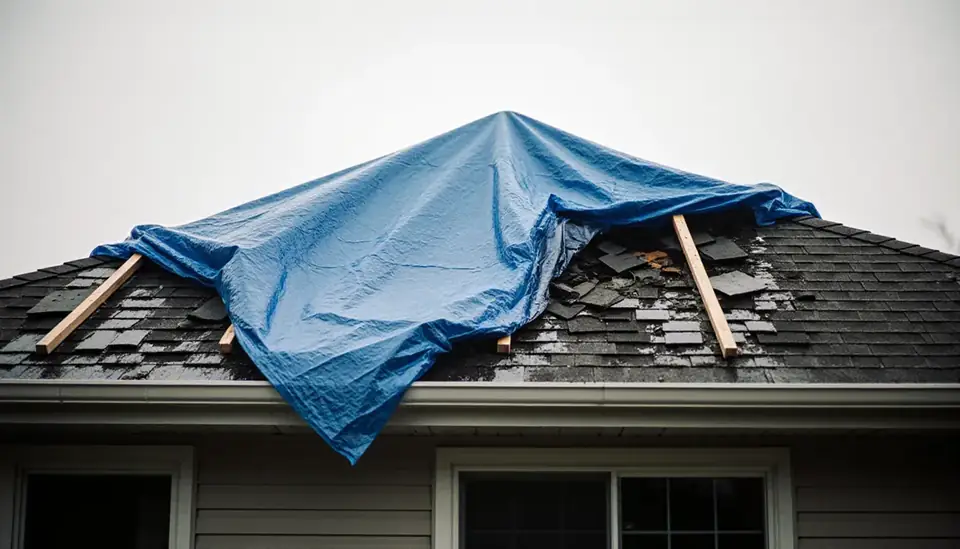
More than 400 miles of navigable canals run through Cape Coral, a total the city has long promoted as greater than any other city's. Those waterways are why many people bought here, and they also explain why a hurricane affects one street so differently from the next. A home on a tidal, Gulf-access canal in the southern half of the city faces storm surge; a house on a freshwater canal several miles inland is more likely to deal with wind-driven rain and roof damage.
For help sorting out what you are facing, call The Restoration Job at (888) 317-9980, any time of day. The line is free, and we connect callers with independent restoration providers serving Cape Coral and the rest of Lee County. We don't do the work ourselves; the provider you speak with does.
How the call works: when you call (888) 317-9980, The Restoration Job connects you with an independent restoration provider that serves Cape Coral. That provider inspects the damage, explains the scope and quotes the work. The Restoration Job doesn't perform restoration itself. Read our referral disclosure.
Gulf-Access Canals Versus Freshwater Canals
Roughly 100 miles of the canal network connect to the Caloosahatchee River and the Gulf, and the rest are freshwater drainage and retention canals. The tidal canals, densest in the southeast and southwest quadrants, are the ones that carry surge. The city's own flood protection guidance names the areas bordering Charlotte Harbor, the Caloosahatchee River and Matlacha Pass as the most vulnerable, and warns that surge in an intense hurricane could reach 25 feet.
During Hurricane Ian on September 28, 2022, the National Hurricane Center estimated 6 to 9 feet of inundation above ground in Cape Coral, Pine Island and nearby communities. Water level sensors in Cape Coral and Matlacha were lost or destroyed during the storm. Homes on the freshwater side were largely spared surge but still took wind and rain damage.
Original Block Houses From the Gulf American Era
Development began in 1958, after Leonard and Jack Rosen bought a 103-square-mile tract and their Gulf American Land Corporation sold lots across the country. By 1963 about 160 miles of canals had already been dug. The southeast part of the city still holds many of the original 1960s concrete-block houses, mixed in with 1980s and 1990s tract homes and post-Ian rebuilds.
Block walls and slab floors don't rot, but they hold moisture for a long time. Drywall, furring strips, baseboards and cabinets attached to them are where damage shows. Homes built before 1993 may not have an elevation certificate on file with the city, which matters when you start planning repairs.

Getting Repairs Permitted After a Flood
Most of the city sits in mapped Special Flood Hazard Areas, either V zones or A zones, and repair work in those areas requires a permit along with a substantial improvement or substantial damage application. If repair costs reach 50 percent of the structure's value, the building must be brought up to current flood standards. A few practical steps:
- Look up any existing elevation certificate through the city's online flood portal before hiring a surveyor.
- Have the restoration provider document drying and demolition separately from rebuild costs.
- Keep debris and sediment out of swales, inlets and canals; the city treats dumping there as a code violation.
- Confirm whether you have a separate flood policy, since homeowners coverage excludes rising water.
Summer Rain, Flat Lots and Everyday Leaks
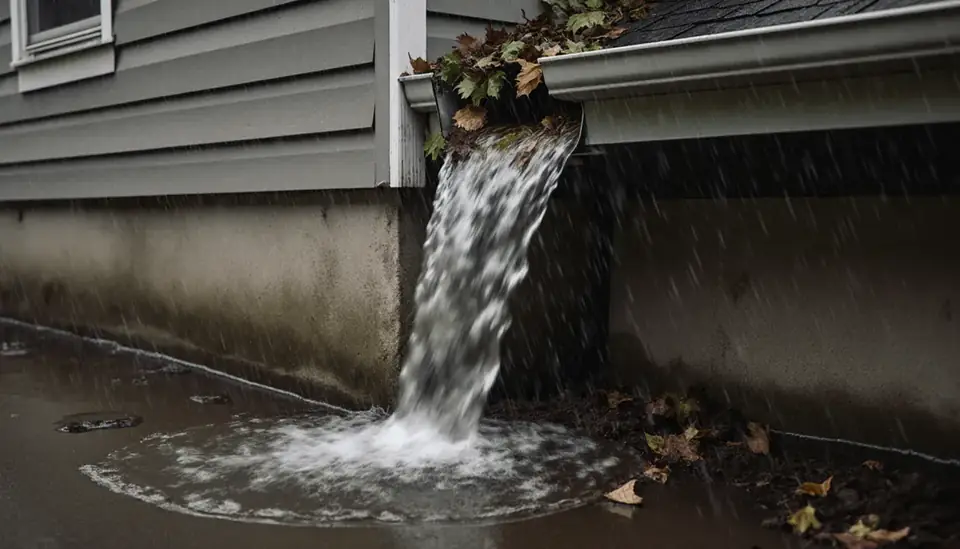
The city gets about 56 inches of rain a year, most of it from June through September. Prolonged downpours can overwhelm the stormwater system, and water that pools around a slab home works in at sliders, garage thresholds and low exterior doors. Indoor sources keep restoration companies busy year-round too: AC condensate lines that back up in attic air handlers, water heaters in garages and supply lines under sinks. Quick structural drying keeps those losses small.
Mold After Surge Versus Mold After a Roof Leak
Mold growth follows moisture, and the humid climate means it can start within a couple of days on wet drywall or wood. After surge, the bigger concern is contaminated material that should come out regardless. After a roof leak, the hidden risk is wet insulation and the top of interior walls, which can stay damp long after ceilings look dry. In either case, a provider handling mold remediation typically contains the area, removes affected porous materials and verifies with meters that framing and block have dried.
Neighbors across the river in North Fort Myers share many of the same weather risks, though their housing mix is quite different.
Cape Coral Neighborhoods and Surrounding Towns
Calls come in from across Cape Coral, including:
- Yacht Club
- Cape Harbour
- Tarpon Point
- Sandoval
- Coral Lakes
- Bellavida
- Southeast Cape
- Northwest Cape
The same line also serves nearby communities such as:
Frequently Asked Questions
My Cape Coral home is on a freshwater canal. Can it still flood?
Freshwater canals don't carry tidal surge the way Gulf-access canals do, but that does not mean a house stays dry. Heavy, prolonged rain can overwhelm drainage, and homes in X zones still flood occasionally. Wind-driven rain through a damaged roof or window is also common inland. Check your mapped flood zone and consider a separate flood policy even if you are outside a high-risk area.
What happens if my repair costs approach half my home's value?
In Special Flood Hazard Areas, the city requires a substantial improvement or substantial damage application with your permit. If costs equal or exceed 50 percent of the structure's value, the building generally has to meet current flood regulations, which can mean elevating or rebuilding. Keeping the cost of emergency drying and demolition clearly separated from rebuild estimates helps when that calculation is made.
Who can I call in Cape Coral for water extraction at night?
The Restoration Job's phone line at (888) 317-9980 is open around the clock. We connect you with an independent restoration provider that serves Cape Coral; many providers in the area offer emergency service, though availability varies by company and by how many homes are affected after a storm. Meanwhile, stop the water source and switch off power to wet rooms if it's safe.