
Punta Gorda faces water on two sides: the tidal Peace River along its northern edge and Charlotte Harbor to the west. More than a quarter of the city's area is water, and much of the rest sits only about seven feet above sea level. Starting in 1959, developers of Punta Gorda Isles dredged 55 miles of canals, 100 feet wide, so that thousands of homes could back up to a seawall and a dock. That layout is a large part of why the city looks the way it does, and why storm tides here reach so many living rooms.
Call The Restoration Job at (888) 317-9980, day or night. We're a free referral line that connects you with an independent restoration provider serving Punta Gorda and the rest of Charlotte County. The provider does the assessment and the work; we help you find one quickly.
How the call works: when you call (888) 317-9980, The Restoration Job connects you with an independent restoration provider that serves Punta Gorda. That provider inspects the damage, explains the scope and quotes the work. The Restoration Job doesn't perform restoration itself. Read our referral disclosure.
Charley, Ian and the Harbor Storms of 2024
Few small cities have been hit as directly as this one. Hurricane Charley struck Punta Gorda on August 13, 2004, with winds near 145 mph. It was a compact storm, so its damage was intense within a narrow band, and roughly 80 percent of buildings in Charlotte County were damaged. Brick storefronts downtown collapsed, and roofs across the city were torn open, letting rain into ceilings and walls for days afterward.
Ian made its second Florida landfall near Punta Gorda on September 28, 2022. A tower near the airport recorded sustained winds of about 90 mph with gusts above 110 mph, and the National Hurricane Center counted at least 200 homes destroyed countywide. Ian's surge here was lower than on Sanibel, but heavy rain sent the Peace River to a record crest. Two years later Helene and Milton both pushed surge into the harbor; NHC estimated 5 to 8 feet of inundation in the northern part of Charlotte Harbor during Milton.
Seawall Homes in Punta Gorda Isles and Burnt Store Isles
The canal neighborhoods, including Punta Gorda Isles, Burnt Store Isles and Seminole Lakes, put a large share of homes right at the water's edge. Many are single-story homes built on concrete slabs, where even a foot of surge reaches drywall, door casings and kitchen cabinets. Garages and lanais on the canal side usually flood first, and pool cages and docks can send debris into the house.
- Expect canal and harbor water to be treated as contaminated, with soaked drywall, insulation and carpet removed.
- Ask for wall cavities and slab readings to be documented before new flooring goes down.
- Have AC air handlers, water heaters and outlets inspected if they sat in saltwater.
- Check whether your property is in a flood zone and has an elevation certificate before rebuilding.
Work after surge usually falls under flood cleanup, followed by controlled drying of the slab and framing.

Wood-Frame Houses in the Historic Residential District
Between West Retta Esplanade and West Virginia Avenue, the Punta Gorda Residential District holds about 125 mostly residential structures, many built from the mid-1880s through the 1910s in wood-frame vernacular and Queen Anne styles. Charley damaged many of them, and they were rebuilt. Houses of that age commonly have wood framing and wood floors, and some sit on raised foundations rather than slabs, with older plumbing that may have been updated piecemeal.
Raised wood floors dry differently from tile over concrete. Crawl spaces need ventilation and dehumidification, and wood flooring is usually dried slowly to limit cupping. A provider experienced in structural drying can monitor moisture in joists and subfloor before anything is replaced.
Summer Rain, Roofs and Mold Growth
The city averages about 53 inches of rain a year, most of it from June through August when afternoon storms are frequent. Roof leaks often show up first as stains around AC vents and light fixtures, and water that runs into wall cavities can stay hidden. Combine that with steady humidity and mold growth can follow within days on drywall paper and cabinet backs.
Catching the leak early, drying the cavity with dehumidifiers and air movement, and confirming dryness with meters keeps most of these jobs small. Visible growth larger than a small patch is typically handled with containment so it does not spread.
Areas In and Around Punta Gorda
Calls come in from across Punta Gorda, including:
- Punta Gorda Isles
- Burnt Store Isles
- Seminole Lakes
- Historic Downtown
- Punta Gorda Residential District
The same line also serves nearby communities such as:
- Port Charlotte
- Charlotte Park
- Solana
- Harbour Heights
- Cleveland
- Charlotte Harbor
Frequently Asked Questions
Is harbor water from a storm surge treated like a pipe leak?
No. Water from Charlotte Harbor or the canals is considered contaminated because it carries silt, salt and whatever it picked up along the way. Porous materials it touched, such as drywall, insulation and carpet pad, are typically removed, and surfaces are cleaned before drying. A clean supply-line leak caught quickly can often be dried in place instead. Flood coverage is also separate from a standard homeowners policy.
Can I stay in my Punta Gorda home while it dries?
Often, if the water was clean, electrical systems are safe and drying equipment is limited to a few rooms. After surge flooding, many owners move out temporarily because walls are opened, air movers run around the clock and contaminated materials are being removed. Ask the provider you're connected with how long equipment will run and which areas need to stay closed.
What should I do first if a storm leaves my roof leaking?
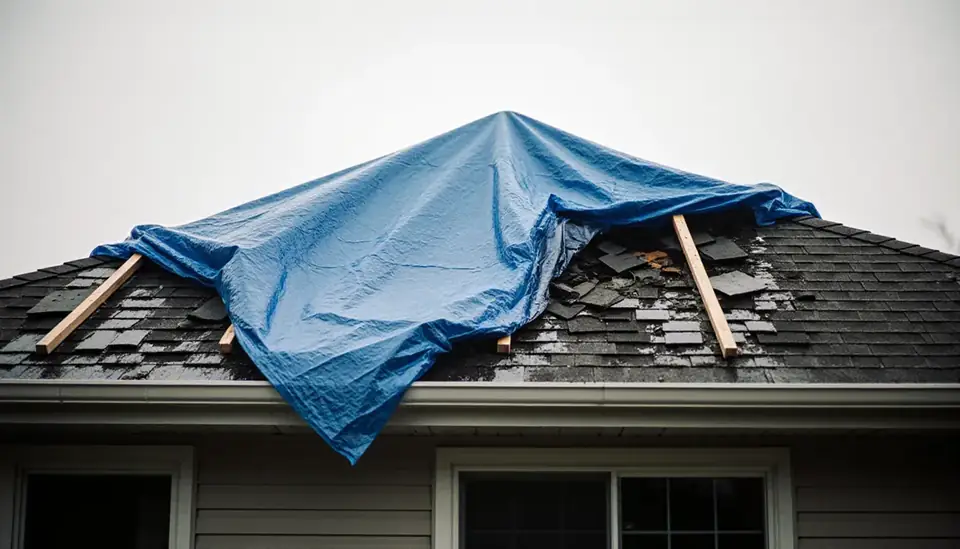
Move furniture and electronics away from the leak, catch dripping water and photograph damage for your insurer. If a ceiling is bulging, stay out from under it. Then call (888) 317-9980 to be connected with an independent provider in Charlotte County who can tarp the roof and begin extraction and drying. Keep receipts for any emergency repairs.
Do older homes near downtown need special handling?
Many houses in the historic district are wood-frame homes, some on raised foundations and some with original wood floors. They often dry well with patient, monitored drying rather than demolition, as long as the water was not contaminated. Ask whether the provider assesses framing and hardwood before recommending tear-out.