

Most of Miami sits only a few feet above Biscayne Bay, and a large share of its residents live stacked on top of one another in towers. Those two facts shape nearly every water loss here. A supply line that fails on the 30th floor of an Edgewater building can reach three units below before anyone notices, while a bungalow in Little Havana may take on water from a summer cloudburst that the street drains simply cannot move fast enough.
Our phone line costs nothing to use: call (888) 317-9980 any hour and we will connect you with an independent restoration provider that serves Miami-Dade. The notes below cover what tends to go wrong in this city and what a sound water damage restoration job should look like in a high-rise, a townhome or a single-family house.
How the call works: when you call (888) 317-9980, The Restoration Job connects you with an independent restoration provider that serves Miami. That provider inspects the damage, explains the scope and quotes the work. The Restoration Job doesn't perform restoration itself. Read our referral disclosure.
Leaks That Travel Between Floors in Brickell and Edgewater Towers
The skyline has more than 300 high-rises, with much of the recent growth packed into Downtown, Brickell and Edgewater. In those buildings the most common calls are not storm related at all. They come from washing machine hoses, ice maker lines, water heaters in utility closets and air handlers whose condensate pans overflow. Water follows slab penetrations and wall cavities downward, so the unit that discovers the problem is often not the unit that caused it.
Responsibility usually splits along a line set by Florida's condominium statute. Section 718.111(11) leaves floor, wall and ceiling coverings, electrical fixtures, appliances, water heaters, built-in cabinets and countertops inside a unit to the owner, while the association insures common elements. Your declaration may add detail, so a practical sequence is:
- Shut off water to the unit and notify building management right away so they can check adjacent and lower units.
- Photograph ceilings, baseboards and cabinets before anything is removed.
- Ask the association which areas its contractor will handle and which fall to you and your HO-6 carrier.
- Keep moisture readings and drying logs; adjusters for several parties may ask for the same records.
King Tides and Low Ground Around Biscayne Bay
The city's average elevation is roughly six feet, and the highest natural ground, along the Miami Rock Ridge in Coconut Grove, is only about 24 feet. Every fall the city publishes a king tide calendar; these high tides run from September through November, and each event can push water onto streets near the bay and the Miami River for a couple of hours on either side of the peak. The city notes that some low-lying inland blocks flood too, not just the waterfront.
That tidal water is brackish and can carry trash and pollutants. If it reaches a garage, ground-floor lobby or first-floor apartment, treat it as contaminated rather than clean water. Porous items it soaked, such as carpet pad and the bottom of drywall, generally need to come out instead of being dried in place. Moving cars and stored boxes off the ground floor before the forecast peak is the cheapest prevention there is.

What Hurricane Irma Showed About Storm Surge in Brickell
On September 10, 2017, Irma's surge spilled over the seawall along Brickell Bay Drive and left three to four feet of water on Brickell Avenue, deeper in spots. Raised entryways kept water out of many lobbies, but high winds blew window panes from their frames in some towers, letting rain drive straight into units dozens of floors up. Surge is not the only threat, either. In June 2024 a slow tropical system dropped more than 22 inches on northeast Miami-Dade over a few days.
Hurricane season runs June 1 to November 30. After a storm passes, storm damage cleanup in a tower usually starts with the envelope: boarding or film over broken glazing, then water extraction from carpet and hard floors, then opening wet walls. Building engineers often need to clear elevators and electrical rooms before crews can reach upper floors, so expect some coordination time.
How Drying Works on Concrete and Limestone
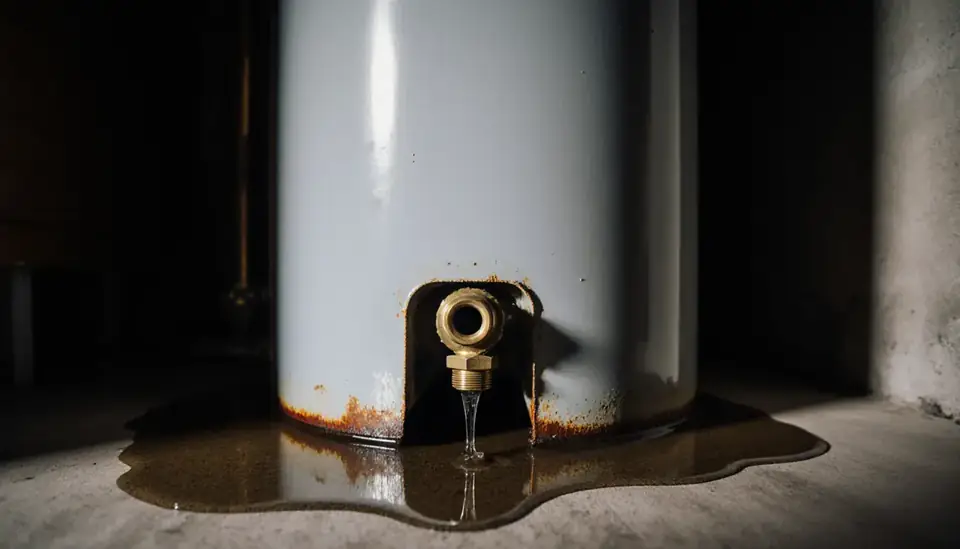
Nearly everything here is built on slab, and the ground underneath is porous Miami limestone over the shallow Biscayne Aquifer, which is one reason the city builds up rather than down. Concrete absorbs water and gives it back slowly. A restoration provider will typically pull standing water first, remove baseboards and the lower few inches of drywall where readings stay high, and run dehumidifiers with the windows closed and the AC set to help pull moisture out of the air. Tile set over a wet slab can look fine while the mortar bed underneath is still damp, so meter readings, not appearance, should decide when drying ends.
Mold Risk in a City That Rarely Dries Out
About 62 inches of rain falls in a typical year, most of it during the May to October wet season, when daily thundershowers and steady humidity are the norm. Wet drywall or cabinet backs left closed up in that air can start growing mold within a couple of days. Fast drying is the main defense. If a leak went unnoticed behind a vanity or under a kitchen sink, or a unit sat closed during a power outage, ask for an assessment before rebuilding, and consider mold remediation for any area where growth is visible or musty odor lingers after drying.
Miami Neighborhoods and Surrounding Towns
Calls come in from across Miami, including:
- Brickell
- Edgewater
- Downtown
- Coconut Grove
- Little Havana
- Wynwood
- Allapattah
- Upper Eastside
- Little Haiti
- Flagami
The same line also serves nearby communities such as:
Questions From Miami Property Owners
Water came through my condo ceiling from the unit above. Who pays?
It depends on where the leak started and what your declaration says. Under Florida's condo statute, finishes, fixtures, appliances and cabinets inside your unit are generally the owner's responsibility, while the association covers common elements such as shared pipes and the roof. Report the leak to management immediately, document the damage, and notify your HO-6 insurer. If a neighbor's appliance failed, their carrier may also become involved.
Does my homeowners or condo policy cover king tide or surge flooding?
Standard homeowners and HO-6 policies typically exclude flooding from rising water, including tidal and storm surge flooding. That coverage comes from a separate flood policy, usually through the National Flood Insurance Program or a private carrier, and new policies normally carry a waiting period before they take effect. Check your declarations page now rather than after the next forecast high tide.
Is it safe to clean up king tide water myself?
Small amounts on a garage floor can be handled with boots, gloves and a wet vacuum, followed by washing the area with detergent. The city warns that this water can contain pollutants and debris, so wash skin with soap and hot water after contact. If it soaked carpet, drywall or furniture in living space, a professional cleanup is the safer choice because those materials usually need removal.
How do I find out whether my Miami address is in a flood zone?
Search your address on the FEMA Flood Map Service Center to see the current flood insurance rate map. Miami-Dade Emergency Management also publishes storm surge planning zones, which matter for evacuation decisions. A property outside a mapped high-risk zone can still flood from heavy rain, as the June 2024 storms showed in parts of the county.