
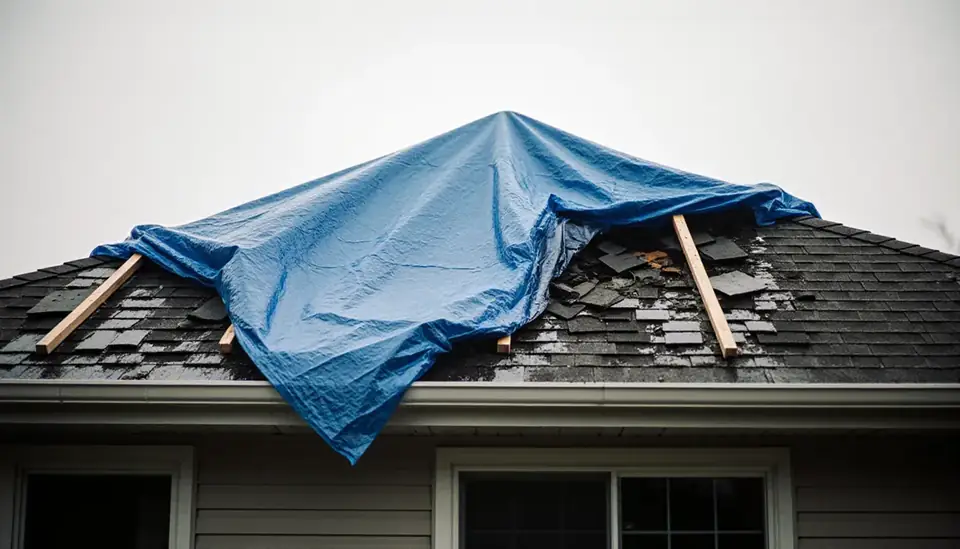
North Miami runs from the mangrove edge of Biscayne Bay and the Oleta River west across flat ground that sits about 7 feet above sea level. Much of the city was built in the postwar boom, and Homes.com puts the median year built at 1957, so a large share of homes are mid-century ranch houses on concrete slabs with decades of patched plumbing, replaced roofs and added-on rooms. That combination of low land, tidal water close by and older houses is what shapes most water damage calls here.
Our role is limited to a free phone referral; The Restoration Job does no restoration work itself. Call (888) 317-9980 at any hour and we'll connect you with an independent restoration provider that serves North Miami for water extraction, drying, repairs or mold work. The companies you reach are third parties that set their own schedules, scope and pricing.
How the call works: when you call (888) 317-9980, The Restoration Job connects you with an independent restoration provider that serves North Miami. That provider inspects the damage, explains the scope and quotes the work. The Restoration Job doesn't perform restoration itself. Read our referral disclosure.
King Tides Along NE 124th Street and East of Biscayne Boulevard
The city's own king tide page names the spots that tend to go under first: NE 124th Street in Keystone, NE 125th Street near NE 15th Avenue, and NE 135th Street east of Biscayne Boulevard, with a note that other parts of town can be affected too. These seasonal high tides arrive once or twice a year, and when a rain shower lines up with one, storm drains that empty toward the bay have nowhere to send the water.
Tidal water is brackish and picks up whatever is on the street, so a garage, utility room or ground-floor bedroom that takes it in should be handled as contaminated rather than wiped and fan-dried. North Miami advises residents to avoid contact with floodwater, rinse off afterward, and use flood panels or sandbags at doorways. Waterfront owners in Keystone Point and Sans Souci Estates also tend to watch for water at seawalls, dock boxes and pool equipment pads, which often sit lower than the house.
Drains That Fill Up Instead of Emptying: Rain Flooding Inland
Tides are only part of the picture. In early October 2026, CBS Miami reported residents along NE Third Court, NE 135th Street and the area around 121st Street and 10th Avenue still dealing with rain that pools in the road and creeps toward front doors. Neighbors described drains that do not take water in, even after a drainage trench was added nearby. The city updated its stormwater master plan in March 2026, but fixes of that scale take years.
The flat grade has a long history. The Biscayne Canal was dug in 1924 to pull water off farmland in what was then the Arch Creek settlement, and much of the street grid still sheds water slowly. For homeowners, the practical point is that outside water entering through a door or a slab joint is treated differently by insurers than a burst pipe. Photograph the water line on walls and furniture before anything is moved, and note whether the street was flooded at the time.
Inside a 1950s Ranch House: Where Leaks Usually Begin
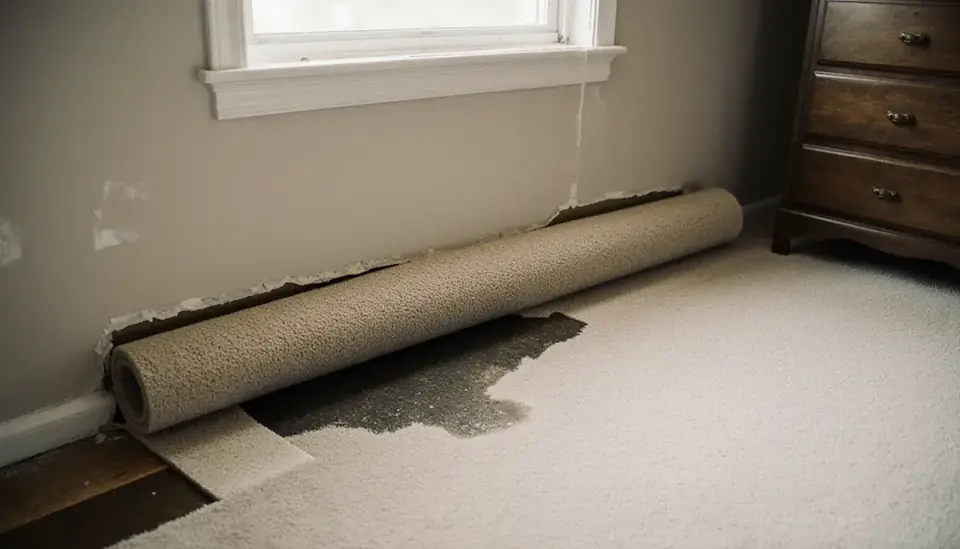
Many indoor losses in older North Miami homes start in the same few places. Homes of this age often have plumbing that has been repaired in pieces over the years, and the weak points tend to be where old and new materials meet.
- Water heaters tucked into closets or garages that rust through at the bottom of the tank.
- Air handler closets, where a clogged condensate line lets the drain pan overflow into the hallway or the wall behind it.
- Supply lines under sinks and behind toilets, especially braided hoses that have aged out.
- Roof transitions between the original house and a later addition, which can open up during a summer squall.
On a slab, water moves sideways under baseboards, cabinets and flooring, so the wet area is usually larger than it looks. A reputable provider will map moisture with meters before deciding what has to come out, and good water damage repair starts only after readings show the structure is dry.
What Restoration Typically Involves in a Bayside Home
The sequence a crew follows depends on the source. Clean water from a supply line can often be extracted and dried in place if work starts quickly. Water that came in from the street or a tidal backup usually means cutting drywall above the water line, pulling wet insulation and carpet pad, and disinfecting before drying begins. Expect air movers and dehumidifiers to run for several days, with moisture readings logged each visit.
Ask any company you hire to explain which materials it plans to remove and why, to keep photos of hidden damage, and to give you the drying logs for your insurer. If a Miami-Dade storm is still active or roads east of Biscayne Boulevard are flooded, providers may have to wait until access is safe.
Mold Pressure in a City Where Dew Points Stay in the 70s
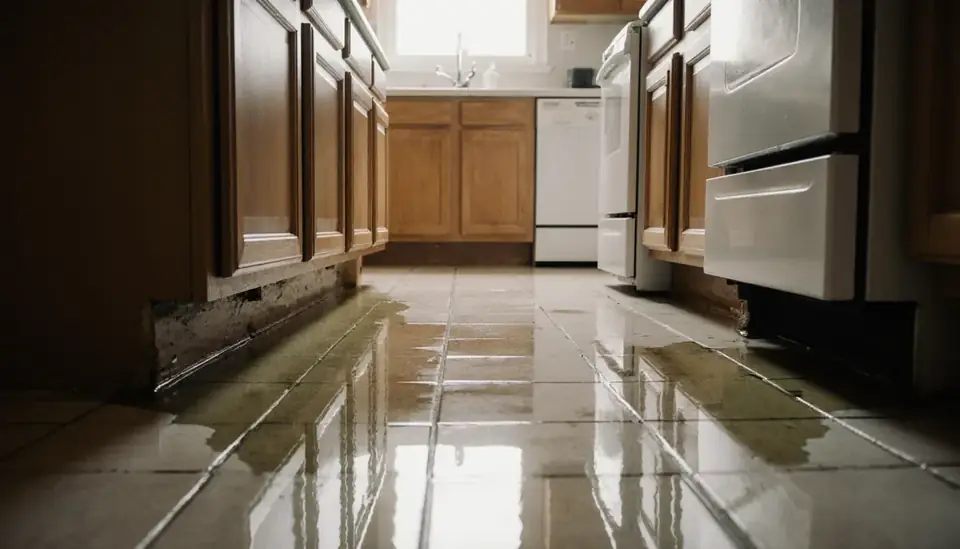
The National Weather Service office in Miami describes a wet season from mid-May to mid-October that brings 60 to 70 percent of the year's rain, with surface dew points in the 70s almost every day. In that kind of air, a wall cavity or closet that stays damp will not dry on its own, and mold growth is a common follow-on to any water loss that sat for more than a day or two.
Keep the air conditioning running if it is safe to do so, open closet and cabinet doors, and move wet rugs and boxes out of the house. If you notice a musty smell or spotting on baseboards after a leak, a provider offering mold remediation can contain the area and remove affected materials rather than painting over them.
Areas In and Around North Miami
Calls come in from across North Miami, including:
- Keystone Point
- Sans Souci Estates
- Breezeswept Estates
- Arch Creek
- Downtown North Miami
The same line also serves nearby communities such as:
North Miami Water Damage Questions
Is king tide water in my North Miami garage covered by homeowners insurance?
Usually not. Standard homeowners policies generally exclude flooding from outside water, including tidal water, and that coverage comes from a separate flood policy through the National Flood Insurance Program or a private carrier. Check your declarations page, photograph the water line and the street conditions, and call your agent before tearing anything out so the adjuster can see the damage.
Which streets in North Miami flood during king tides?
The city lists NE 124th Street in Keystone, NE 125th Street near NE 15th Avenue, and NE 135th Street east of Biscayne Boulevard as areas known to flood, and notes that other locations can be affected. Residents can call North Miami Public Works at 305-895-9878 to report flooding or ask about a specific street.
My street floods every heavy rain. Should I clean up myself?
Small amounts of clean water from a plumbing leak can sometimes be handled with a wet vac and fans. Street runoff is different because it carries oil, debris and bacteria, so porous items it touched are usually discarded and the area disinfected. If water reached drywall or got under flooring, a professional moisture check is worth it before you decide the job is done.
How do I reach a restoration company in North Miami late at night?
Call (888) 317-9980. The line is answered around the clock, and we connect you with an independent provider that serves your area. Many providers offer emergency service, though availability varies by company and conditions. While you wait, shut off the water at the main valve and turn off power to any wet room if you can do so safely.