
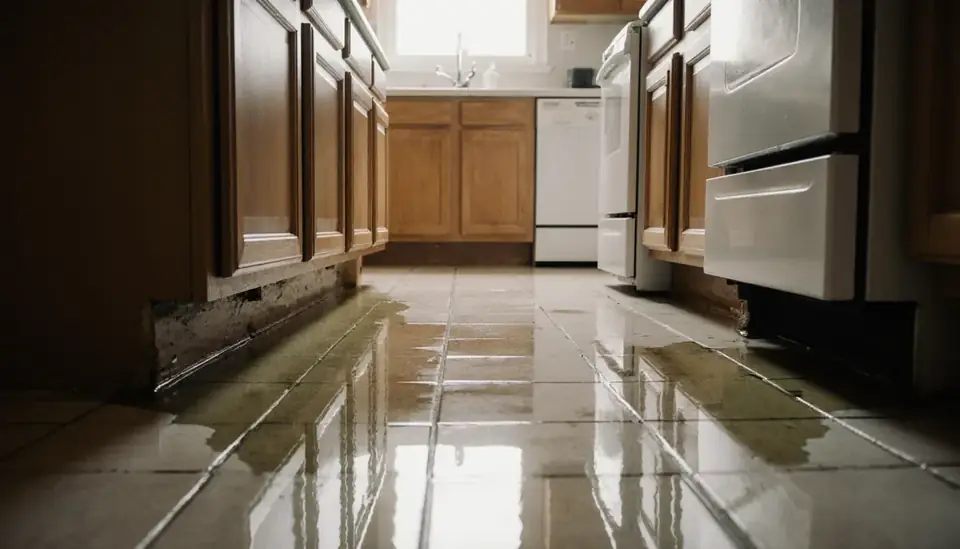
Hialeah was built on open prairie between Biscayne Bay and the Everglades, and much of it sits barely above sea level. The city's own comprehensive plan notes that 100-year floodplains cover a large share of its land, and that the soils underneath are a mix of peat, muck, marl, sand and fill. Put that ground next to two major drainage canals and a water table that rises close to the surface every summer, and you get a city where heavy rain can linger in yards and streets long after the clouds move on.
The Restoration Job does not send out crews. We operate a free 24/7 phone line: call (888) 317-9980 and we will connect you with an independent restoration provider that serves Hialeah. The notes below explain the local flooding pattern and what to expect from cleanup in the city's single-family homes, duplexes and apartment blocks.
How the call works: when you call (888) 317-9980, The Restoration Job connects you with an independent restoration provider that serves Hialeah. That provider inspects the damage, explains the scope and quotes the work. The Restoration Job doesn't perform restoration itself. Read our referral disclosure.
The Miami Canal, Little River Canal and a Shallow Water Table
Two canals do most of the drainage work here: the Miami Canal and the Little River Canal, which carry runoff from the C-6 and C-7 basins toward the bay. During the rainy season the city warns that canals and lakes are often already full and groundwater sits just below the ground surface. At that point new rain has nowhere to soak in, so it ponds. When canals are overwhelmed they can back up or overtop their banks into nearby blocks.
The aquifer beneath the city, the Biscayne Aquifer, is close to the surface and supplies drinking water for all of Miami-Dade, which is one reason the county regulates what goes into canals and storm drains. That matters during cleanup: pumped-out floodwater, debris and cleaning chemicals should not be dumped into a canal or swale.
Lessons From Irene in 1999 and the October 2000 No-Name Storm
The city's flood hazard page points to two events that caused widespread flooding, business disruption and power outages: Hurricane Irene in October 1999 and the No-Name Storm a year later. The National Weather Service in Miami recorded 12 to 18 inches of rain across Miami-Dade in the 24 hours ending the morning of October 4, 2000, and estimated that about 93,000 residences in the region were flooded or cut off by water. Neither storm was a major hurricane. Both did their damage with rain falling on flat, saturated ground.
Surge is a newer worry. Reporting based on National Hurricane Center surge maps after Hurricane Ian described how, in a strong storm on the right track, the Miami River and the canal network could carry surge inland toward Hialeah. That scenario has not happened in modern times, but it is a reason to know your flood zone even though you live miles from the coast.
What Cleanup Looks Like on a Slab Home or Duplex
In a house built on a concrete slab, which is the usual construction in this part of Florida, rising water spreads across the floor and wicks into drywall, baseboards and the bottom of kitchen and bathroom cabinets. For flood cleanup after outdoor water gets in, a provider will typically:
- Extract standing water and remove soaked carpet, pad and rugs.
- Cut out drywall a foot or more above the waterline and pull wet insulation.
- Clean and disinfect the slab and wall framing, since street water is considered contaminated.
- Run dehumidifiers and air movers, checking readings daily until materials reach dry targets.
Where a home has been divided into separate living spaces, each unit has its own finishes and often its own occupants, so ask the provider to document every space separately for insurance.
Sewer and Drain Backups in Heavy Rain
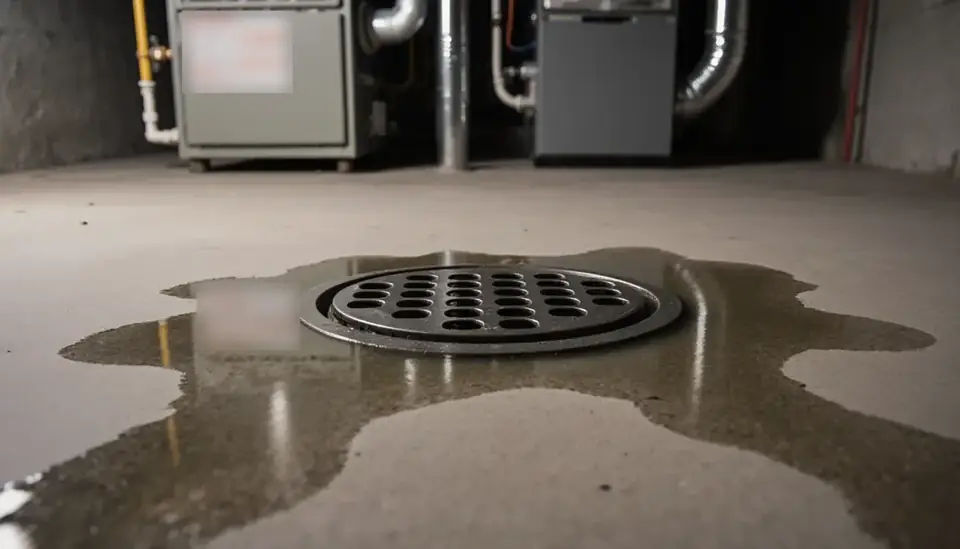
When the ground and drainage system are saturated, water sometimes comes in from below rather than through the door. Floor drains, laundry standpipes and low shower drains can push back when lines are stressed, and the water that comes up is unsanitary. Keep people and pets away from it, turn off power to affected rooms if it is safe to do so, and do not try to mop it into the yard. A provider offering sewage cleanup will remove contaminated porous materials and disinfect before drying begins. A plumber can advise on a backwater valve if it happens more than once.
Hialeah Humidity and the Mold Clock
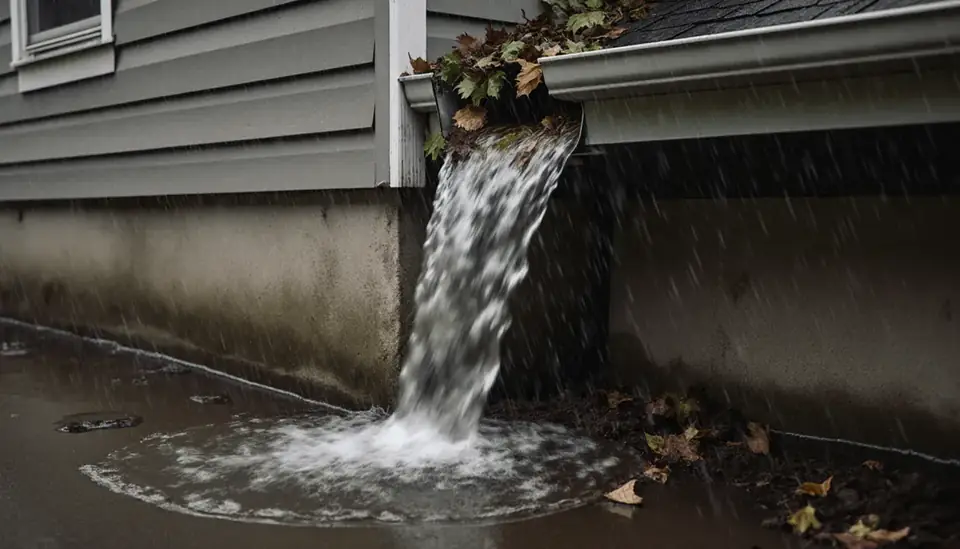
The city averages roughly 73 inches of rain a year, with the heaviest months from June through September. In that climate, damp drywall and wood can show mold within a day or two, especially in closets, behind furniture against exterior walls and under sinks. Running the air conditioning helps, but it is not a substitute for proper drying equipment. If growth appears or a musty smell stays after the floors are dry, have the area assessed before you repaint or install new flooring.
Areas In and Around Hialeah
Calls come in from across Hialeah, including:
- Palm Springs
- Seminola
- Hialeah Acres
- Palm Springs Lakes
The same line also serves nearby communities such as:
- Hialeah Gardens
- Miami Lakes
- Miami Springs
- Medley
- Doral
- Miami Gardens
Hialeah Water Damage Questions
My street floods every summer even without a hurricane. Do I need flood insurance?
Probably worth it. The city notes that most standard homeowners policies do not cover flood damage, and much of Hialeah lies in mapped floodplain. Coverage through the National Flood Insurance Program generally takes 30 days to begin after purchase, so buying it during a storm watch is too late. Check your zone on the FEMA map and ask your agent about building and contents limits.
Water from the canal behind my house came into the yard. Is the house at risk?
Canals in Hialeah can rise and overtop their banks when the drainage system is overwhelmed, and the water table rises with them. Move vehicles and valuables off the ground, keep yard drains clear, and watch door thresholds. If water enters the home, pull it out quickly and remove soaked materials. Report flooded streets or blocked drains to the city or Miami-Dade 311.
Can I clean up after a small leak myself?
A clean-water leak caught quickly, like a supply line under a sink, can sometimes be handled with towels, a wet vacuum and fans if materials dry within a day or two. The risk in Hialeah's humidity is hidden moisture in cabinet bases and the bottom of walls. If readings stay high or the leak ran for days, professional drying is the safer choice.