
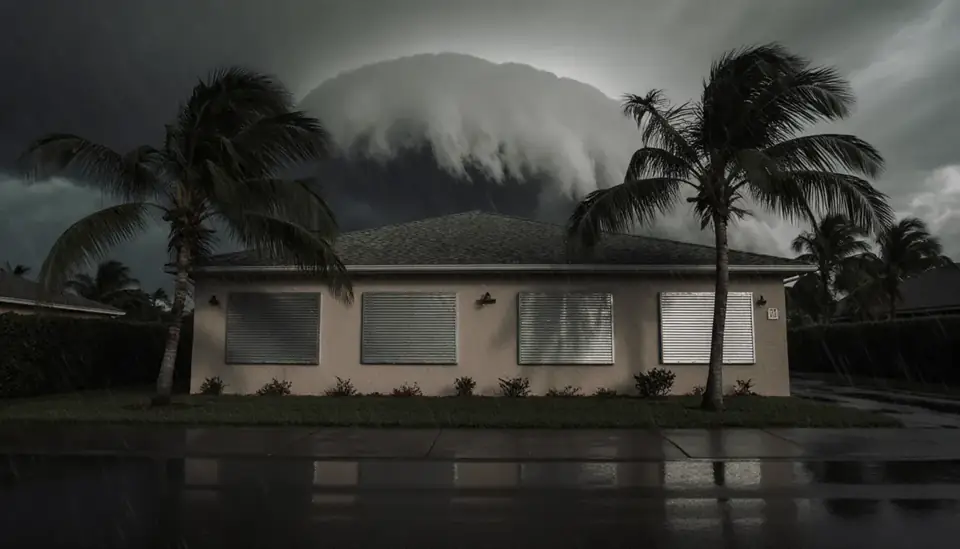
Key Biscayne is a 1.7-square-mile barrier island with an average elevation of about 3 feet, wedged between Crandon Park on the north and Bill Baggs Cape Florida State Park on the south. The Rickenbacker Causeway, opened in 1947, is still the only road to the mainland. Groundwater sits just below the surface across much of the village, and when the tide is high, rain that falls on the streets has very little room to drain. That is the backdrop for nearly every water problem on the island.
Homes range from the modest ranch houses the Mackle company began selling in 1951 to large rebuilt estates and oceanfront condominium towers. Call (888) 317-9980 any time and we'll connect you with an independent restoration provider that works on Key Biscayne. We run a referral line only; the providers are separate companies.
How the call works: when you call (888) 317-9980, The Restoration Job connects you with an independent restoration provider that serves Key Biscayne. That provider inspects the damage, explains the scope and quotes the work. The Restoration Job doesn't perform restoration itself. Read our referral disclosure.
Why Island Streets Wait for the Tide to Turn
A village summary of its stormwater history explains the problem plainly: because the groundwater table and sea level are both so high, there is very little head pressure to push water out, and the streets do not really drain until the tide starts to ebb. The system relies on drainage wells, a limited number of exfiltration trenches, and 23 outfalls that empty into Biscayne Bay, with backflow preventers added in 2017 and 2018 to keep tidal water from pushing up through the pipes.
High-tide flooding shows up most often on East Enid Drive, Westwood Drive, Harbor Drive, Hampton Lane and Harbor Point Drive, according to the same document. In one June rain event, the village reported 3 to 4 inches falling in bursts right at high tide; its roughly 750 drains cleared most of the water within three to four hours once conditions eased. For a house with a low threshold, though, a few hours of standing water at the door is enough to soak flooring and baseboards.
Surge Risk on a Zone A Island
The whole village falls in Miami-Dade's storm surge Evacuation Zone A, the highest-risk category. Hurricane Andrew in 1992 flooded some homes and businesses on the island. During Irma in 2017, the National Weather Service found 2 to 3 feet of inundation on Key Biscayne, confined mainly to the immediate beachfront. A more direct hit would push water much farther inland.
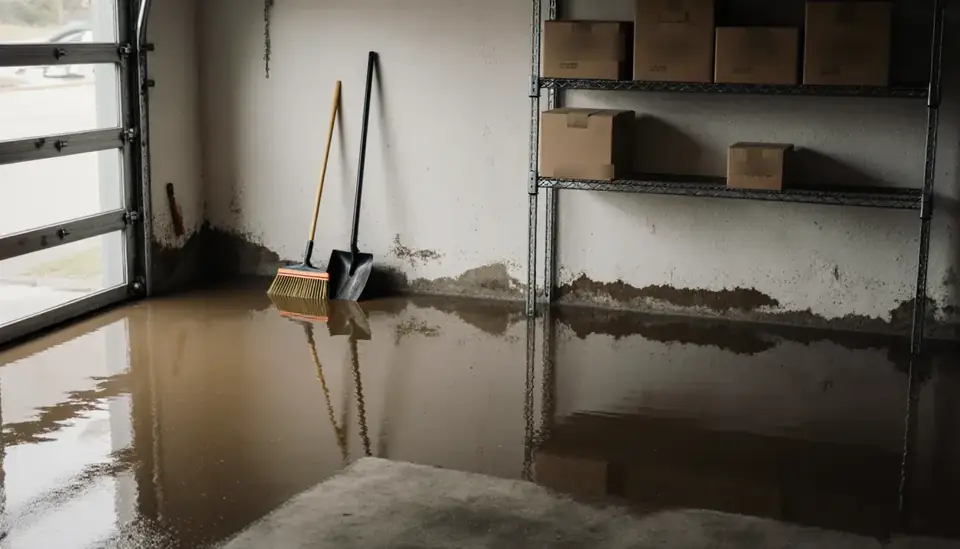
Surge water is salty and dirty. It leaves sand, silt and debris inside wall cavities and under cabinets, and it corrodes metal fasteners, appliances and electrical components. After a surge, drywall and insulation below the water line usually come out, and electrical systems should be checked before power is restored. Providers offering storm damage cleanup will often handle tarping and debris removal along with the water work.
Getting Help Onto the Island
With one causeway in and out, logistics matter. Equipment, dumpsters and crews all come across the Rickenbacker, and after a hurricane, access can be limited until officials reopen the island. When you call, describe how much water there is and which floor it is on so the provider can bring the right gear on the first trip.
Condominium buildings add another layer. Ask building management about elevator use, loading areas and work hours before a crew arrives, and confirm whether the leak started in your unit or in a common element, because that shapes which insurance policy responds.
Drying, Cleaning and Watching for Mold
Once the source is stopped, the work usually runs in this order:
- Extract standing water and remove wet rugs, pad and soft furnishings.
- Cut out drywall and insulation that took on salt water or street runoff.
- Clean and disinfect exposed surfaces, including slab and framing.
- Run dehumidifiers and air movers, taking moisture readings daily.
- Inspect hidden spots such as under kitchen cabinets and behind built-ins for mold growth.
Salt air and year-round humidity on the island mean wet materials rarely dry by themselves. If mold has taken hold, a provider experienced in mold remediation will contain the area before removing anything so spores are not spread through the air conditioning.

The Village's Flood Projects and Your Own Plan
Residents approved a $100 million resilience bond in November 2020, and in 2024 the village committed to a $75 million infrastructure program that begins with Zone 1, which CBS Miami describes as the most flood-prone part of the island. Those projects should help streets drain, but they will not keep water out of every home. The village has also taken part in FEMA's Community Rating System since 1998.
For your own property, keep flood insurance current, store important documents above floor level, and know where your water shutoff and electrical panel are. The village can provide flood zone and base flood elevation information for a specific address.
Neighborhoods and Nearby Communities
Calls come in from across Key Biscayne, including:
- Harbor Point
- Harbor Drive
- East Enid Drive
- Westwood Drive
- Fernwood Road
- Crandon Boulevard
The same line also serves nearby communities such as:
- Miami
- Miami Beach
- Coral Gables
- Pinecrest
Common Questions
Why does water stay on my Key Biscayne street long after the rain stops?
The village's own stormwater summary says high groundwater and sea level leave little pressure to push water out, so streets often drain only once the tide begins to fall. Backflow preventers keep tidal water from coming up through outfalls, but during a high tide, rain still has limited room to go. Keeping drains clear of palm fronds helps.
Do I need flood insurance on Key Biscayne?
Homeowners and condo policies generally exclude flood from outside water, so flood coverage is separate. The entire village is in Evacuation Zone A, and many properties sit in Special Flood Hazard Areas where lenders require it. The village can tell you a property's flood zone and base flood elevation. New flood policies typically have a 30-day waiting period.
How long does drying take after salt water gets inside?
It depends on how high the water rose and how much material is removed. Clean water from a pipe can sometimes be dried in several days. Salt water usually requires taking out drywall and insulation first, then cleaning and drying the framing and slab, which adds time. Moisture readings, not the calendar, should decide when rebuilding starts.
Can a restoration company reach the island after a hurricane?
Access depends on when officials reopen the Rickenbacker Causeway and the island's roads. Call (888) 317-9980 to be connected with an independent provider that serves Key Biscayne; they can tell you when they expect to be able to get there. Many providers offer emergency service, but no one can promise timing during a regional storm.