
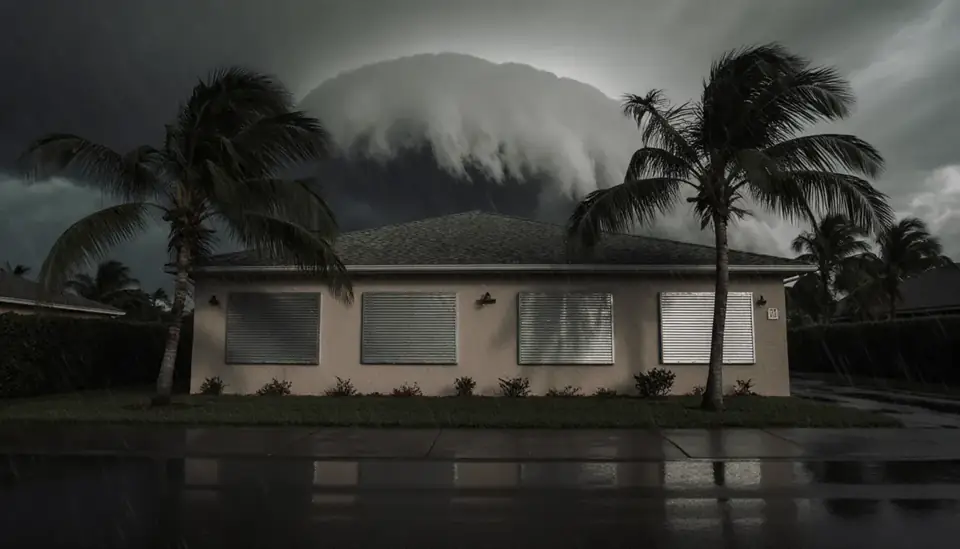
Half of Miami Beach is water. The city's barrier islands hold about 7.7 square miles of land and nearly as much bay and ocean, and the average ground elevation is roughly 4.4 feet, dipping to around 2.4 feet on the western, bay-facing side. That geography means the island floods from more than one direction: rain that has nowhere to go, tides that come up through drains, and, in a hurricane, surge that pushes in from Biscayne Bay as readily as from the Atlantic.
Our role is narrow: we run a free phone line and do no repair work ourselves. Call (888) 317-9980 at any hour and we will connect you with an independent restoration provider that works in Miami Beach. Below is what tends to drive water damage in South Beach, Mid-Beach and North Beach, and what a careful cleanup looks like in an older low-rise or a condo garage.
How the call works: when you call (888) 317-9980, The Restoration Job connects you with an independent restoration provider that serves Miami Beach. That provider inspects the damage, explains the scope and quotes the work. The Restoration Job doesn't perform restoration itself. Read our referral disclosure.
King Tides That Arrive Through the Garage and Lobby
King tides peak in the fall, and NOAA projections cited by the city put October tides as high as three feet above mean high water. On the bay side of Miami Beach that is often enough to put salt water in the street on a sunny day. In late September 2026, a king tide sent water into the lobby and parking garage of a condominium on West Avenue; one city commissioner called it one of the biggest king tides since 2017.
Ground-level garages, storage rooms, elevator pits and lobby finishes take the brunt. A few practical steps when a high tide is forecast:
- Move cars and anything stored on the garage floor before the predicted peak.
- Ask building management whether drains have backflow protection and whether temporary barriers are staged.
- After the water drops, photograph the high-water line on walls and doors before anyone cleans.
- Treat the water as contaminated; on Miami Beach it is salt water that has crossed streets and parking lots. Tidal water mixes with whatever was on the street.
Raised Streets and Lower Lots in Sunset Harbour and West Avenue
To keep roads passable, the city has been installing stormwater pump stations, building taller seawalls and raising streets. Sunset Harbour and Palm and Hibiscus Islands were among the first areas raised, and 14th Street went up about two feet in 2014. The result is that some older buildings now sit a foot or more below the street in front of them. Owners on West Avenue reported several inches of water inside their buildings after Tropical Depression Emily dropped about five inches of rain in 2017, with further flooding in 2020 and 2021, and some sued the city.
If your property sits lower than the roadway, rain and tide water can run toward your door rather than away from it. Pumps help, but a power loss or mechanical failure during a downpour can leave water standing longer than expected. Checking door thresholds, ground-floor outlets and the condition of exterior drains before the rainy season is time well spent.
Surge Risk on the Bayfront Side
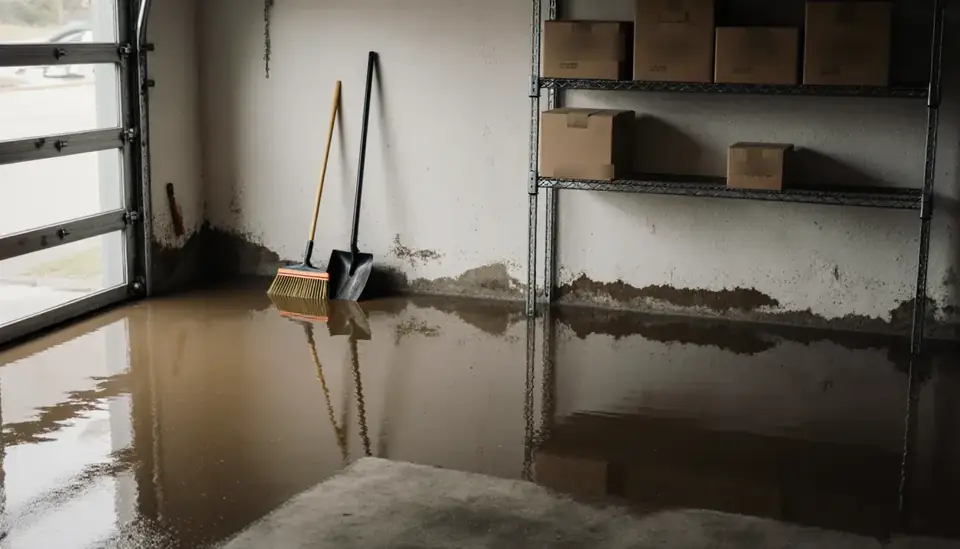
Many people assume the ocean side is most exposed, but National Hurricane Center surge maps show the bayfront of Miami Beach sitting lower than the oceanfront, which makes the western half more vulnerable to surge. During Hurricane Irma in September 2017, the National Weather Service in Miami estimated sustained winds of 65 to 70 mph along the coast and surge inundation of about two to three feet confined to the immediate beachfront. A more direct hit would look very different; the city was struck directly by the 1926 hurricane and several others through 1964.
After a storm, storm damage cleanup in Miami Beach usually combines two problems at once: wind-driven rain through windows, balcony doors and roofs on upper floors, and salt water on the ground floor. The saltwater areas typically lose their drywall, baseboards and carpet, while upper-floor rain damage can often be dried in place if extraction starts quickly.
Drying Out Art Deco Walk-Ups and Older Condos
The Art Deco Historic District holds hundreds of hotels and apartment buildings put up between 1923 and 1943, and the city counts more than 800 Art Deco structures overall. Many of these are masonry and stucco buildings with plaster interiors, old cast-iron drain lines and tight utility chases. A leaking supply line or a cracked drain stack in one of them can soak plaster and terrazzo in ways that are slow to dry and easy to underestimate.
A provider handling water damage restoration in an older building will usually take moisture readings across several units, use dehumidifiers and air movers sized to the space, and avoid tearing out historic finishes unless readings show they cannot be dried. If the property is in a historic district, check with the city before replacing exterior doors or windows damaged in the event.

Salt, Humidity and Mold Between Ocean and Bay
About 67 inches of rain falls in a typical year, most of it from May through October, and the air between two bodies of salt water rarely gets dry. In Miami Beach apartments, wet drywall, closet carpet or cabinet backs left closed up in that humidity can start growing mold within a couple of days. Salt residue also holds moisture, so surfaces touched by tidal water should be washed, not just dried. If a musty smell lingers after drying, or growth appears behind baseboards, ask about mold remediation before new finishes go up.
Areas In and Around Miami Beach
Calls come in from across Miami Beach, including:
- South Beach
- Sunset Harbour
- West Avenue
- Palm Island
- Hibiscus Island
- La Gorce
- North Beach
- Isle of Normandy
- Biscayne Point
The same line also serves nearby communities such as:
- Miami
- North Bay Village
- Surfside
- Bal Harbour
- Key Biscayne
- Coral Gables
Common Questions
Water came up through my building's garage during a king tide. Is that covered?
On Miami Beach the answer is usually no, at least not by a standard homeowners or condo policy, because rising tidal water is treated as flood. Coverage typically comes from a separate flood policy, either the association's for common areas or your own for your unit and contents. Document the damage with photos and dates, notify building management, and ask the association which flood policy applies to garages, lobbies and storage rooms.
My street was raised and now my yard floods. What can I do about water coming inside?
Start by watching where water goes during a heavy rain or high tide and photographing it. Low thresholds, ground-floor doors and site drains are common entry points. A contractor can advise on regrading, drains or barriers, and the city publishes resilience information for property owners. If water has already come inside, get wet materials dried or removed quickly to limit mold.
How do I find my flood zone and evacuation zone on Miami Beach?
Search your address on the FEMA Flood Map Service Center to see the flood insurance rate map. Storm surge planning zones, which decide who is told to leave before a hurricane, are published by Miami-Dade County and linked from the city's emergency management page. Because the island is low and connected to the mainland by causeways, plan to leave early when an order is issued.
Can tidal water just be dried, or does material need to come out?
Tidal and surge water picks up debris and pollutants from streets and storm drains, so it is treated as contaminated. Porous materials it soaked, such as carpet, pad, insulation and the lower part of drywall, are generally removed rather than dried. Hard surfaces like tile and concrete can usually be cleaned, disinfected and then dried with dehumidifiers.