
George Merrick laid out Coral Gables in the 1920s as a planned city of Mediterranean Revival homes, built with local coral rock and topped with barrel tile. A century later, those historic houses share the city with gated waterfront enclaves along Biscayne Bay, and the city counts more than 42 miles of coastline and waterways within its limits. Two very different water risks follow from that: slow, hidden leaks in older homes inland, and storm surge and tidal flooding in the low neighborhoods near the bay.
We run a no-cost phone line rather than a restoration business. Call (888) 317-9980 any hour and we will put you in touch with an independent restoration provider serving Coral Gables; the work is done by that third-party company, not by us. Below is what homeowners here should know about water damage in both kinds of property.
How the call works: when you call (888) 317-9980, The Restoration Job connects you with an independent restoration provider that serves Coral Gables. That provider inspects the damage, explains the scope and quotes the work. The Restoration Job doesn't perform restoration itself. Read our referral disclosure.
Surge Risk East of Old Cutler Road
Reporting based on National Hurricane Center surge maps, published after Hurricane Ian, estimated that a Category 4 storm on the wrong track could put more than nine feet of water into neighborhoods east of Old Cutler Road. That includes waterfront areas like Cocoplum, Gables Estates and Gables by the Sea. During Irma in 2017, the National Weather Service in Miami documented three to five feet of inundation along the Biscayne Bay shoreline in Miami-Dade and recorded a 90 mph gust in Coral Gables.
Surge water is salty and contaminated. After it recedes, flood cleanup generally means removing wet drywall, insulation, carpet and cabinetry up to and above the waterline, cleaning and disinfecting, then drying before any rebuild. Pool equipment, ground-floor mechanical rooms and elevators in larger homes need their own inspection.
King Tides and Canal-Front Homes
The city monitors water levels at three stations, including inland waterways and Matheson Hammock Park, and tracks king tides and surge as part of its sea-level planning. Coral Gables homes on canals and the waterway can see high water at the seawall and in low yards during fall king tides, especially when a tide coincides with heavy rain or onshore wind. Check seawall cracks and drain flaps before the season, keep stored items off garage floors, and treat any tidal water that enters the house as contaminated.
Hidden Leaks in 1920s Mediterranean Revival Houses
Older Coral Gables homes often combine thick masonry walls, plaster interiors, flat roof sections behind parapets, and barrel tile over aging underlayment. Each detail can hide water for a long time. Common trouble spots include:
- Flat roofs and parapet walls where ponding water finds a crack in the membrane or coping.
- Tile roofs whose underlayment has worn out even though the tiles look intact.
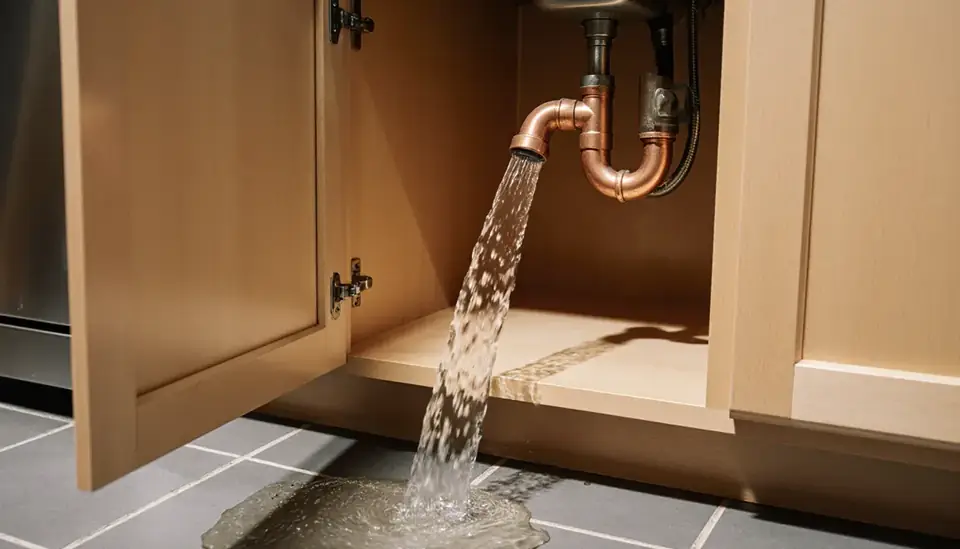
- Original or partly updated plumbing inside masonry walls and under floors.
- Windows and French doors where wind-driven rain gets past old seals.
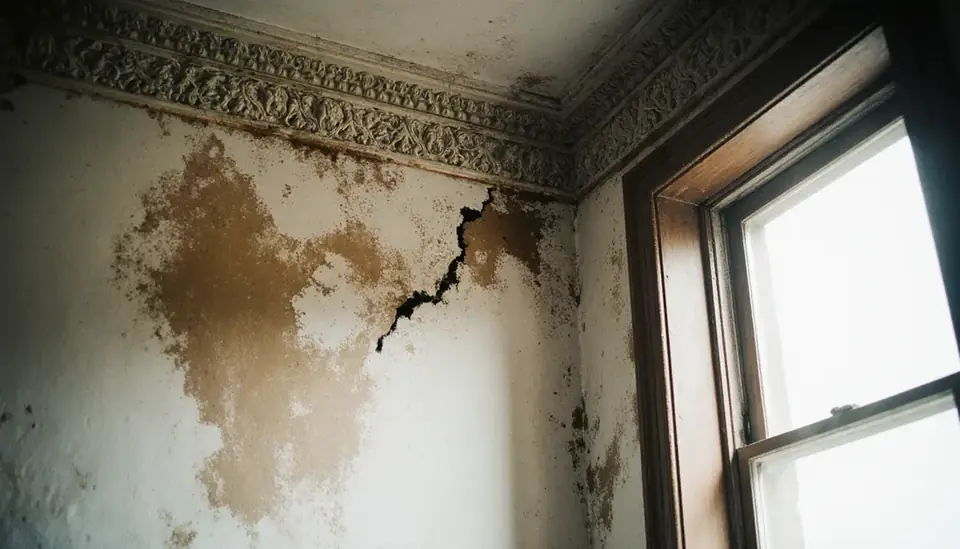
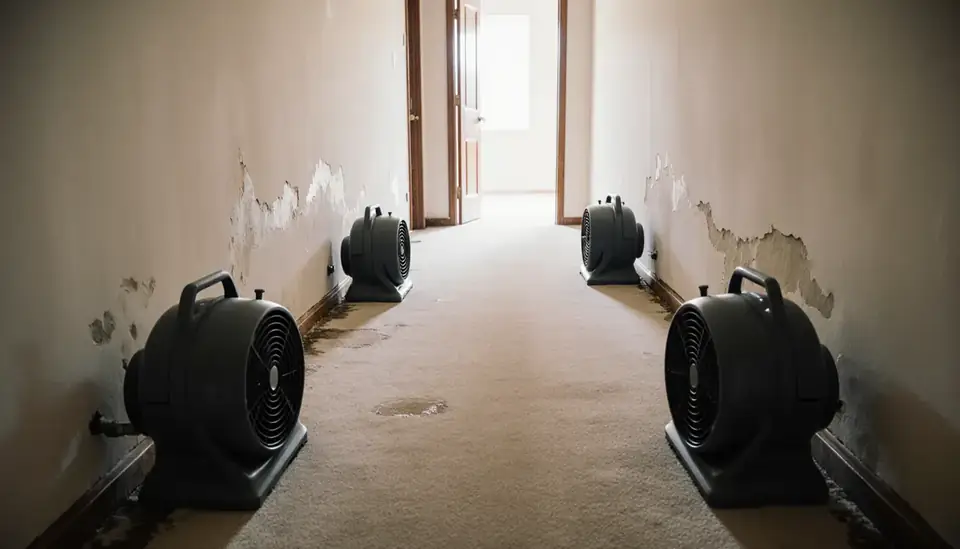
Plaster and coral rock hold moisture and give it up slowly. A provider handling water damage restoration in a historic home should take readings deep in the wall, dry carefully rather than demolishing by default, and coordinate with you on preserving original finishes. If your house is a designated historic property, ask Coral Gables about permit requirements before replacing windows, doors or roofing.
Rain Floods Inland Streets Too
Flooding is not only a bayfront issue. On October 3, 2000, the National Weather Service in Miami recorded 17.5 inches of rain in 24 hours at neighboring South Miami, part of a storm that flooded or isolated an estimated 93,000 residences across the region. A downpour that heavy overwhelms drainage anywhere, and homes with lower additions, sunken living rooms or converted garages tend to take water first. Snapper Creek, which flows through Kendall and Coral Gables to the bay, also drains this part of the county.
Mold Under a Heavy Tree Canopy
Coral Gables has more than 38,000 trees, and that shade is part of its character. It also means roofs, gutters and walls on many lots stay damp longer after rain, and leaves clog gutters and drains. Indoors, humid air and slow-drying masonry give mold time to start behind plaster, in closets and in attic spaces. Keep gutters clear, dry any leak promptly, and if you find growth or a stale smell that will not go away, have it assessed before patching walls or ceilings.
Neighborhoods and Nearby Communities
Calls come in from across Coral Gables, including:
- Cocoplum
- Gables Estates
- Gables by the Sea
- Sunrise Harbour
- Hammock Oaks
- Hammock Lakes
The same line also serves nearby communities such as:
Frequently Asked Questions
My historic home had a leak. Will the drying crew have to tear out the plaster?
Not necessarily. Plaster over masonry can often be dried in place with dehumidifiers, controlled airflow and patience, as long as moisture readings keep dropping and there is no contamination. If water was dirty or plaster is crumbling, removal may be needed. Ask the provider for readings at several depths and discuss preserving original finishes before any demolition begins.
Am I in a storm surge zone if I live west of Old Cutler Road?
Surge risk is highest east of Old Cutler Road near the bay, but zone boundaries vary by street. Miami-Dade County publishes storm surge planning zones, and the city's emergency management page links to them. Separately, check your flood insurance zone on the FEMA Flood Map Service Center. Both matter, and neither one replaces the other.
What should I check on a barrel tile roof after a storm?
From the ground, look for slipped, cracked or missing tiles and damaged ridge caps. Inside, check ceilings and attic areas for stains or damp insulation. Tiles can look fine while the underlayment beneath them is leaking, so a roofer's inspection is worthwhile after a strong storm. If water has already come in, start drying right away and photograph the damage for your insurer.