

Cutler Bay sits on the western shore of Biscayne Bay, close enough that its town limits take in part of Biscayne National Park and Black Point Marina. The land is low and laced with man-made lakes, and many subdivisions were laid out around them. That design looks good on a dry day, but after a long tropical downpour the lakes, canals and storm drains can all reach capacity at once, and water has nowhere to go but into yards, garages and living rooms.
Residents here also carry the memory of Hurricane Andrew, which came ashore near what was then Cutler Ridge in August 1992 and left the area nearly flattened. If water has gotten into your home, call (888) 317-9980. We'll connect you with an independent restoration provider that serves Cutler Bay. The Restoration Job is a referral service and does not perform the work.
How the call works: when you call (888) 317-9980, The Restoration Job connects you with an independent restoration provider that serves Cutler Bay. That provider inspects the damage, explains the scope and quotes the work. The Restoration Job doesn't perform restoration itself. Read our referral disclosure.
June 2022: When Saga Lake Came Over Its Banks
The clearest recent example came in early June 2022, when a tropical system dropped roughly 15 inches of rain on the town over a short stretch, according to CBS Miami. Saga Lake overflowed into the surrounding Saga Bay neighborhood, the lakeside park went fully under, and streets around SW 207th Street and 79th Court stayed flooded for days. Local 10 reported that some residents could not leave their homes. Town crews ran three pumps moving about 17,000 gallons a minute out toward the mangroves.
Flooding that lingers is harder on a house than a quick rise and fall. Water sitting against stucco and under doors for several days soaks further into drywall, baseboards and slab edges, and the longer it stays, the more likely materials will need to come out rather than be dried in place.
Three Ways Water Reaches Homes Near Biscayne Bay
The town's flood awareness page groups local flooding into three sources, and each leaves a different kind of mess behind:
- Tidal flooding and storm surge from hurricanes and tropical storms. During Hurricane Irma in 2017, the National Weather Service found an average of 3 to 5 feet of inundation along the Biscayne Bay shoreline from Homestead to downtown Miami.
- Flash flooding when heavy rain overwhelms the drainage system, as in 2022.
- Prolonged rain that fills canals and lakes beyond what they can carry.
Surge and lake overflow are both outside water and should be treated as contaminated. Properties in a Special Flood Hazard Area have, in the town's words, a 26 percent chance of flooding over the life of a 30-year mortgage. Cutler Bay Public Works can answer flood zone questions at (305) 234-4262.
Townhomes, Lakeside HOAs and 1970s Ranch Houses
Housing here is a mix. Homes.com puts the median year built at 1987, with smaller 1970s homes in older sections and newer construction from the 2000s, along with gated townhome communities such as The Shores and Isles at Bayshore. Much of the area was rebuilt after Andrew, and you will see a lot of single-story stucco on slab.
In attached townhomes, water from one unit can wick into the shared wall, so tell your neighbor and your HOA promptly when a leak or flood reaches a party wall. In single-family homes, the usual indoor culprits are water heaters, air handler drain lines and washing machine hoses. Either way, moisture mapping with meters is what shows how far water traveled under flooring and behind cabinets.
What Flood Cleanup Looks Like After Lake or Street Water
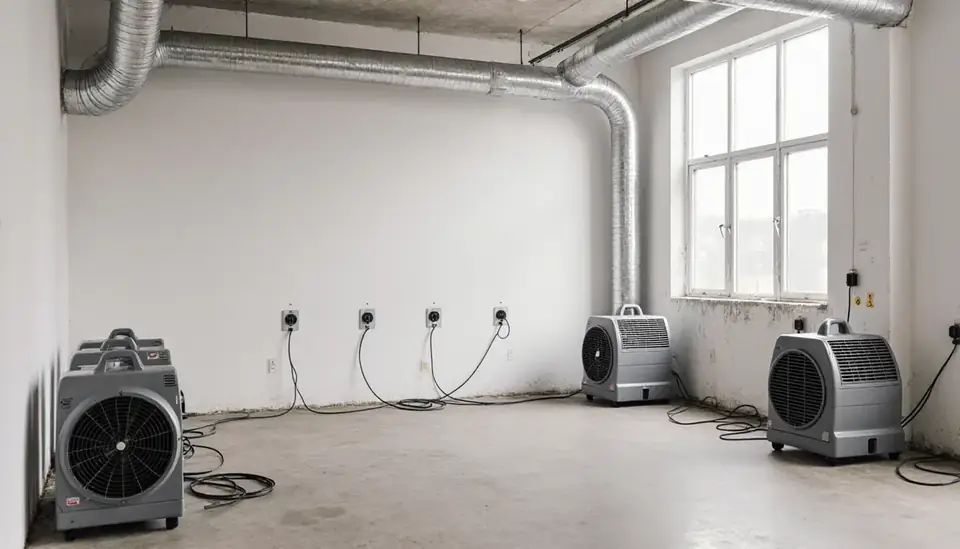
For outside water, a typical flood cleanup follows a predictable order. A crew extracts standing water, removes soaked carpet and pad, cuts drywall a foot or more above the high-water mark, pulls wet insulation, and cleans and disinfects the exposed framing and slab. Only then does drying start, with air movers and dehumidifiers running until readings return to normal.
Because slab homes hold moisture in the concrete, structural drying can take longer than people expect. Ask for daily moisture readings in writing; your insurer will want them, and they show when it is safe to install new flooring.
Mold After Days of Standing Water
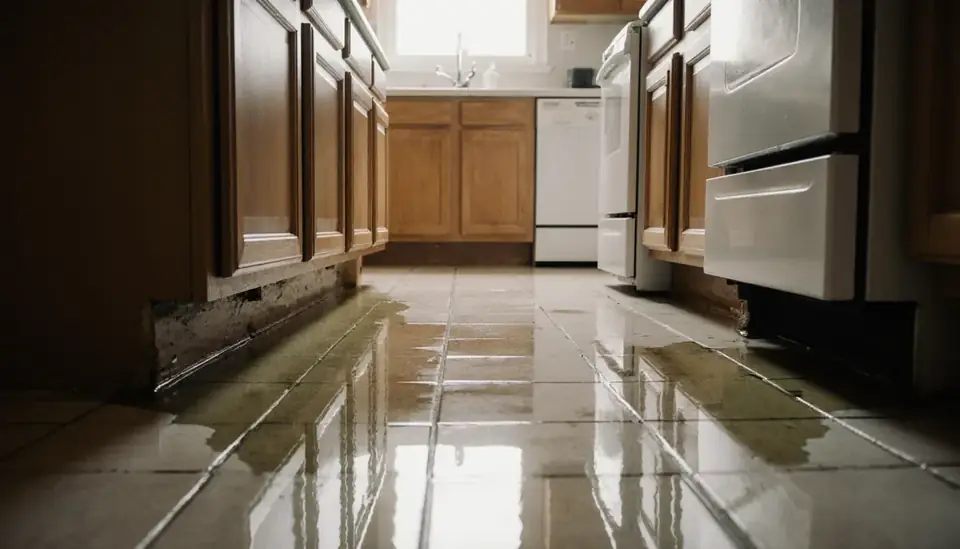
The NWS Miami office notes that the South Florida wet season, roughly mid-May through mid-October, brings dew points in the 70s almost daily. When a house has had water at the door for several days, as Saga Bay homes did in 2022, mold growth inside walls is a real possibility even after the floor looks dry. Musty odors, bubbling paint and dark spots at the base of walls are the usual signs.
Remove wet porous items such as rugs, cardboard and upholstered furniture as soon as you can, and keep the air conditioning running. Mold that has already spread through drywall usually calls for containment and removal of the affected material rather than surface cleaning.
Cutler Bay Neighborhoods and Surrounding Towns
Calls come in from across Cutler Bay, including:
- Saga Bay
- Lakes by the Bay
- Pine Tree Manor
- Santa Barbara
- The Shores
- Isles at Bayshore
- Cutler Ridge
The same line also serves nearby communities such as:
- Palmetto Bay
- Homestead
- Pinecrest
- South Miami Heights
- Goulds
- Florida City
Questions From Cutler Bay Property Owners
My Cutler Bay street is still flooded days after the rain. Should I start cleanup?
Start with what you safely can: turn off power to wet areas, move belongings, photograph everything and call your insurer. Water that is still rising or entering the house limits what any crew can do, but extraction and removal of wet materials can begin once water stops coming in. The longer it sits, the more likely drywall and flooring will have to be replaced.
How do I find out whether my home is in a flood zone?
Look up your address on the FEMA Flood Map Service Center, or call Cutler Bay Public Works at (305) 234-4262 for a flood zone determination. If you are in a Special Flood Hazard Area and have a federally backed mortgage, flood insurance is generally required. Keep in mind that new flood policies typically have a 30-day waiting period.
Is lake water that came into my house considered contaminated?
Yes, it should be treated that way. Water from an overflowing lake or a flooded street carries soil, lawn chemicals, fuel residue and bacteria. Porous materials it touched, such as carpet, pad, insulation and the lower part of drywall, are normally removed, and hard surfaces are cleaned and disinfected before drying. Wear gloves and boots if you handle anything yourself.
Can I get help at night or on a weekend?
Our phone line at (888) 317-9980 is answered 24/7, and we connect you with an independent restoration provider serving Cutler Bay. Many providers offer emergency service, though timing depends on the company and on how widespread the flooding is. During a major storm, roads such as those around Saga Bay may need to clear before crews can get in.