
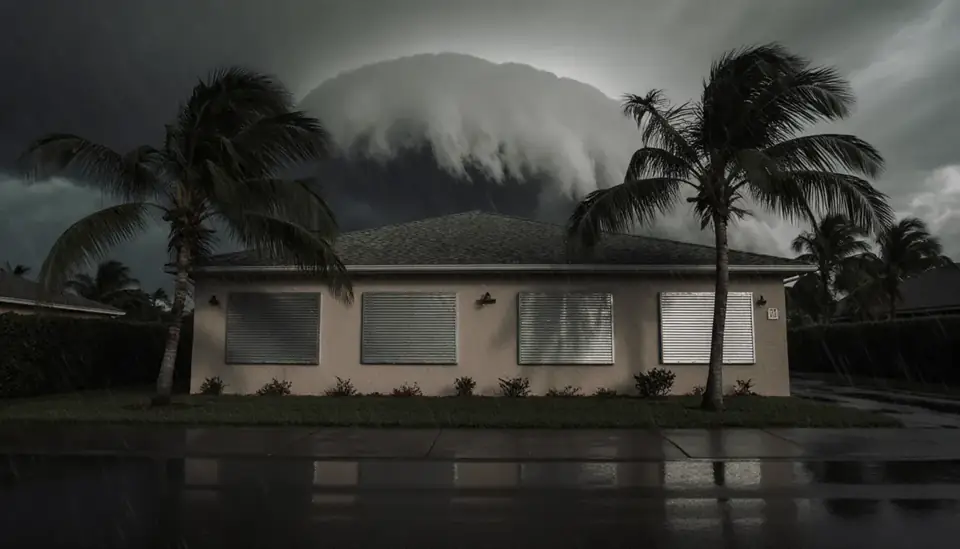
Two storms two weeks apart in the fall of 2024 showed how Tampa can flood from opposite directions. Hurricane Helene never made landfall near the bay, yet it pushed record surge into waterfront streets on Davis Islands and along the shoreline. Hurricane Milton followed with rain that overwhelmed drainage north of the city. One event was saltwater coming in from the bay; the other was freshwater with nowhere to go.
The Restoration Job runs a free 24/7 phone line at (888) 317-9980. We don't send crews ourselves. Instead, we connect callers with independent restoration providers that serve Tampa and the rest of Hillsborough County, so you can get someone on the phone to talk through extraction, drying and repairs for your specific situation.
How the call works: when you call (888) 317-9980, The Restoration Job connects you with an independent restoration provider that serves Tampa. That provider inspects the damage, explains the scope and quotes the work. The Restoration Job doesn't perform restoration itself. Read our referral disclosure.
Helene's Surge and the Low Ground Around Hillsborough Bay
Much of Tampa sits barely above the water. The city's mean elevation is roughly 10 feet, and the shoreline wraps around both Old Tampa Bay and Hillsborough Bay, with the Hillsborough River cutting through downtown and the Palm River emptying into McKay Bay. That geometry funnels wind-driven water toward neighborhoods like Davis Islands and the South Tampa peninsula.
During Helene in September 2024, early tide-gauge readings at Old Port Tampa peaked a little above 6 feet, compared with a previous record of about 3.6 feet. Every gauge from Clearwater down to Venice set a record. Surge water carries salt, silt and sometimes sewage, so homes it reaches usually need more than drying: wet drywall, insulation and flooring generally come out, and wiring and appliances that sat in saltwater should be checked by an electrician before anything is powered on. Professional flood cleanup for surge is closer to a gut-and-sanitize job than a simple water extraction.
Milton's Rainfall and Drainage Failures North of Downtown
Milton came ashore near Siesta Key on October 9, 2024, and its biggest local water problem was rain rather than surge. The University Area near USF, just outside city limits, took 10 to 15 inches; the city's mobility department called it a 300-year rainfall. A power failure at the Duck Pond pump station, the county's largest, made it worse, and Fowler Avenue flooded so deeply that the mayor started calling it Lake Fowler. About 230 properties in that area were damaged.
Rain floods behave differently from surge. The water often rises slowly, sits for days in low pockets, and then backs up through floor drains and toilets once the sanitary system is overloaded. Any water that came up through plumbing should be treated as contaminated; see sewage cleanup for what that involves.
Summer Storms, Lightning Season and Everyday Leaks
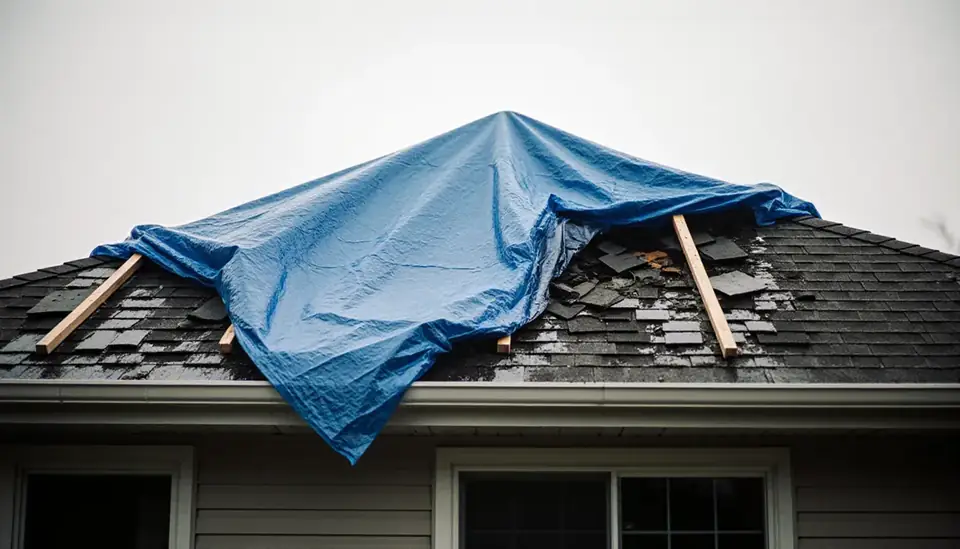
Hurricanes get the headlines, but most water damage in Tampa comes from ordinary summer weather and household plumbing. The area averages close to 50 inches of rain a year, with July and August each topping 9 inches, and the region is known as the lightning capital of North America because of near-daily afternoon thunderstorms. Common calls include:
- Roof leaks around flashing and skylights after wind-driven downpours
- Clogged AC condensate lines dripping into ceilings and closets during months of constant cooling
- Water heaters failing in garages and utility closets
- Aging supply lines and drain pipes in older houses in Seminole Heights, West Tampa and Ybor City
These smaller jobs still need moisture readings. Water wicks into baseboards and wall cavities quickly, and drywall that looks dry on the surface can stay wet inside for days.
Mold Growth in Gulf Coast Humidity
Tampa's humidity gives mold a head start. Wet materials that would dry on their own in a drier climate tend to stay damp here, especially in closed-up houses after an evacuation or a long power outage. Mold can begin growing within a day or two on wet drywall, carpet pad and the paper backing of insulation. After a storm, open the house, run fans and dehumidifiers if you have power, and pull out soaked carpet and pad early. If visible growth covers a large area or keeps returning, a mold remediation provider can contain the affected rooms and remove the material rather than just treating the surface.
Renters, Insurance Claims and Hillsborough County Records
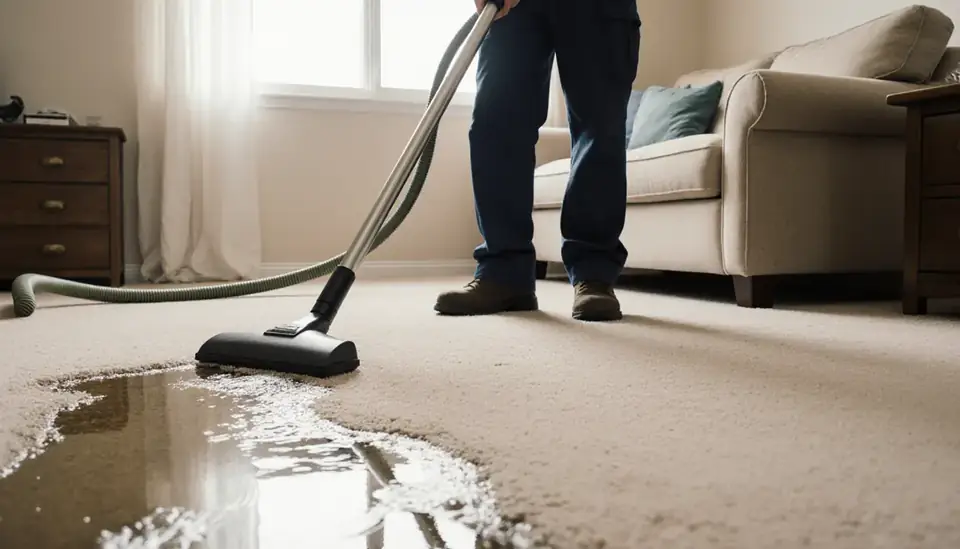
Many people affected by Milton were renters; around 89 percent of University Area residents rent their homes. If you rent, notify your landlord in writing, take photos and video before anything is moved, and check whether you carry renters coverage for your belongings. Owners should know that most homeowners policies exclude flood damage, which is covered separately through flood insurance. Surge and rising water are usually treated as flood, while a burst pipe or a roof leak usually falls under the standard policy. Keep receipts for fans, tarps and emergency repairs, and document moisture readings if a restoration provider takes them.
Neighborhoods and Nearby Communities
Calls come in from across Tampa, including:
- Davis Islands
- Hyde Park
- South Tampa
- Seminole Heights
- Ybor City
- West Tampa
- Forest Hills
- New Tampa
The same line also serves nearby communities such as:
Questions From Tampa Property Owners
Does Helene-style surge water mean my drywall has to come out?
Usually, yes. Water pushed in from Tampa Bay carries salt, silt and often sewage. Drywall, insulation and most carpet it touched are generally removed, typically a foot or more above the waterline, then the framing is cleaned and dried. Salt residue holds moisture and corrodes metal, so leaving soaked materials in place tends to cause problems later even if they appear to dry.
My street in North Tampa flooded from rain, not the bay. Is that still a flood claim?
Generally, surface water that rises from heavy rain and enters the house is treated as flood under most policies, the same as surge. Water that came in through a roof leak or a broken pipe is usually handled differently. Check your declarations page, call your insurer early, and photograph the waterline on walls before any cleanup starts.
Where can I check whether my Tampa property is in a flood zone?
FEMA's Flood Map Service Center lets you search by address to see the mapped flood zone. Keep in mind that Helene and Milton flooded some properties outside high-risk zones, so a moderate or low-risk designation does not mean water can't reach the house. Hillsborough County's emergency management office also posts flooding and evacuation information.
How quickly should I start drying after a summer storm leak?
As soon as it is safe. In Tampa's heat and humidity, wet drywall and carpet pad can start growing mold within a day or two. Stop the source, move furniture off wet flooring, run the AC and fans, and call (888) 317-9980 if the wet area is larger than a small spot or reaches inside walls or ceilings.