

Few places in Florida have grown as fast as Wesley Chapel. The census counted fewer than 6,000 residents in 2000 and almost 65,000 by 2020, as subdivisions, Wiregrass and the outlet malls filled in pasture and woods north of New Tampa. Sitting roughly 75 to 100 feet above sea level and 25 miles from the bay, it is about as far from storm surge as Tampa Bay suburbs get. Its flood risk comes instead from rain and the slow-moving creeks that collect it.
Call The Restoration Job any time at (888) 317-9980 and we'll connect you with an independent restoration provider that serves Wesley Chapel and eastern Pasco County. The call is free. We don't employ crews; we put you in touch with a third-party company that does the work.
How the call works: when you call (888) 317-9980, The Restoration Job connects you with an independent restoration provider that serves Wesley Chapel. That provider inspects the damage, explains the scope and quotes the work. The Restoration Job doesn't perform restoration itself. Read our referral disclosure.
Cypress Creek After Milton: Flooding That Arrived Days Later
Hurricane Milton crossed the state in October 2024, less than two weeks after Helene had already soaked the ground. Local reporting put rainfall in parts of Pasco County near or above 20 inches. What surprised many families was the timing. Water kept draining into Cypress Creek from wetlands and land upstream, and the creek kept rising for days after the skies cleared, cresting around 15 feet with more rise still expected. By October 12 and 13, deputies, state wildlife officers and volunteers were helping more than 100 people leave homes in the Enclave subdivision, where one resident described water up to the top of her mailbox. Homes in The Oaks also flooded.
That delay matters for anyone near a creek or wetland here. A dry street the morning after a storm doesn't mean the danger has passed, so keep watching water levels and county updates for several days.
Newer Construction Still Floods
Since so much of Wesley Chapel was built after 2000, most homes are newer slab-on-grade builds with drywall, tile or vinyl plank floors, and they share drainage through ponds and swales permitted by the regional water management district. Those systems handle routine summer storms, but back-to-back hurricanes overwhelmed both natural and engineered drainage in 2024. Homes outside mapped high-risk zones are rarely required to carry flood insurance, so many owners here have none.
Once floodwater recedes from a newer house, a provider doing flood cleanup will generally remove wet drywall, insulation and baseboards, pull up flooring trapping moisture against the slab, and disinfect surfaces creek water touched. Creek water carries soil, fertilizer runoff and sometimes septic or sewer overflow, so it isn't treated as clean water.
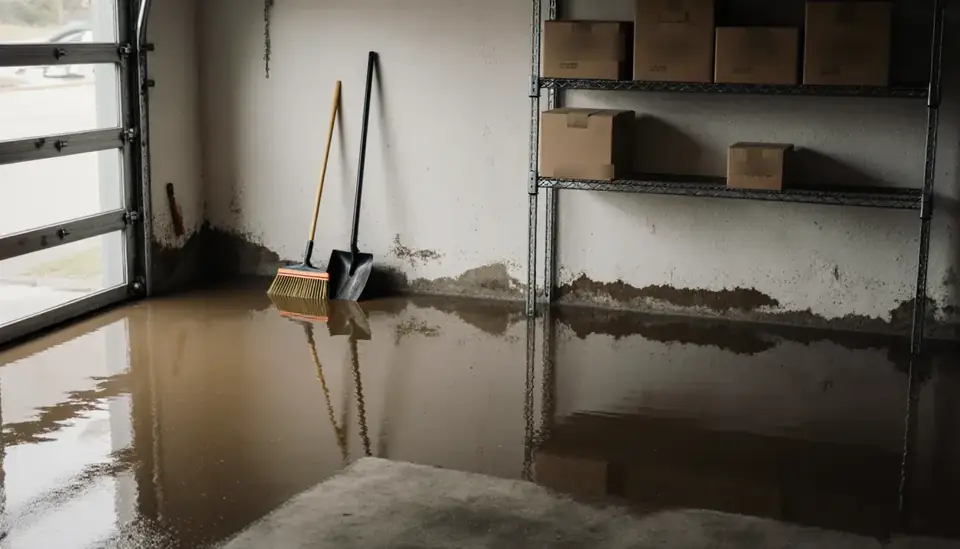
A Practical Checklist for Pasco Creek Flooding
- Leave when officials or rescuers advise it; creek floods here have risen after the rain stopped.
- Shut off power at the breaker only if you can reach the panel without standing in water.
- Photograph every room, the waterline and damaged belongings before cleanup begins.
- Call your insurer right away. Rising water is generally a flood claim, separate from homeowners coverage.
- Keep receipts for hotels, fans, dehumidifiers and emergency repairs.
- Report flooding to your HOA or community district if a shared pond or drainage structure was involved.
Neighbors to the west in Land o' Lakes dealt with the same Cypress Creek flooding after Milton.
Humidity, Closed-Up Houses and Mold
Inland Pasco County is hot and humid most of the year, and homes that sat closed during an evacuation or power outage can develop mold quickly once floodwater gets in. Every day of delay matters. Remove soaked carpet and pad, open cabinets and closets, and get dehumidifiers running as soon as power returns. Smaller everyday leaks need the same urgency: a burst washing machine hose, a slow drip under a sink or an AC condensate line clogged during peak cooling season can all feed hidden growth in wall cavities. If growth covers a large area, returns after cleaning, or the house keeps smelling musty, mold remediation with containment is usually the safer route.
Areas In and Around Wesley Chapel
Calls come in from across Wesley Chapel, including:
- Wiregrass
- Meadow Pointe
- The Enclave
- The Oaks
- Boyette
The same line also serves nearby communities such as:
- Land o' Lakes
- Zephyrhills
- Lutz
- New Tampa
- Dade City
Common Questions
My house isn't near the coast. Why would I need flood insurance in Wesley Chapel?
Because rain and creek flooding, not surge, is the main threat here. Milton's rainfall pushed Cypress Creek into subdivisions that many owners believed were safe, and standard homeowners policies usually exclude rising water. Policies for lower-risk zones are often more affordable than people expect. Most carry a waiting period before coverage starts, so buying one when a storm is already forecast typically won't help.
Why did the creek keep rising after the storm passed?
Cypress Creek collects water from a large area of wetlands and land upstream. After a heavy rain, that water takes days to work its way downstream, so local levels can peak well after the storm is gone. That happened after Milton. Keep monitoring county and National Weather Service updates for several days after a major rain.
Does creek floodwater mean my drywall has to come out?
In most cases, yes. Creek water carries soil, runoff and possibly sewage, so drywall, insulation and carpet it soaked are typically removed and the framing is cleaned and disinfected. A restoration provider will usually cut drywall above the visible waterline because water wicks upward. Clean-water leaks from a supply line can often be dried in place if caught quickly.