
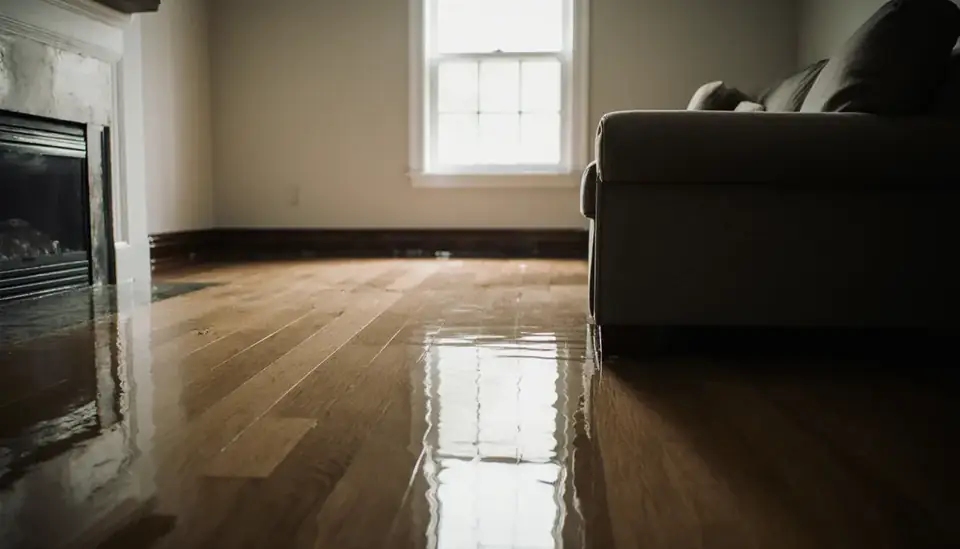
Twenty-five miles from the ocean, Deltona still produced some of the longest-lasting flooding in Volusia County after the 2022 hurricane season. The city sits on karst ground, a landscape of rolling sand hills, sinkhole lakes and low pockets between them. The Mackle brothers opened it as Deltona Lakes in 1962, and within three years nearly a thousand homes were finished or underway; today about 35,000 housing units spread across roughly 41 square miles, several of them open water.
We run a free referral line and do no restoration work ourselves. Call (888) 317-9980 at any hour and we'll connect you with an independent restoration provider that works in Deltona, whether the trouble is a lake edging toward the back slider, a ceiling stain after a summer squall or a water heater that failed in the garage.
How the call works: when you call (888) 317-9980, The Restoration Job connects you with an independent restoration provider that serves Deltona. That provider inspects the damage, explains the scope and quotes the work. The Restoration Job doesn't perform restoration itself. Read our referral disclosure.
The Theresa Basin: Rainwater With No Way Out
A large part of eastern Deltona drains into the Theresa Basin, a watershed of about 35 square miles bounded by Doyle Road to the south and Interstate 4 to the west, reaching into parts of DeLand and Lake Helen. The city describes it as hydrologically closed. Runoff collects in a chain of connected lakes and leaves only by soaking into the aquifer or evaporating. There is no river outlet to carry a surplus away.
In a normal summer that system copes. After Hurricane Ian and Tropical Storm Nicole arrived six weeks apart in 2022, water in the lake chain rose by as much as 3.5 feet, and the city reports the flooding did not fully go down until spring 2023. For homes near those shorelines, the damage came slowly: water held against block walls and slabs for months, yards that never dried, and garages that flooded again with each new storm.
The city has commissioned a flood control study for the basin that will update its stormwater models and its 100-year flood zone maps. Mapped risk on a given street may change as that work finishes.
Ian's Rain and Streets Outside the Flood Zone
City officials estimated that Ian dropped 11 to 15 inches of rain on Deltona. Northeast Deltona took the worst of it, with pockets of flooding in the center of the city; one Lyon Street resident paddled a kayak to collect belongings. On Sunday Drive, homeowners who said they lived nowhere near a lake or river and outside any high-risk flood zone watched two to three feet of water settle near their houses. Pumps eventually pushed it across State Road 415.
Two practical lessons follow. A standard homeowners policy does not cover rising water, so a separate flood policy matters even on a lot the map calls low risk. And standing floodwater that lingers for days picks up septic, fuel and yard contaminants, so anything porous it soaked should be treated as dirty rather than simply dried.
Stone Island and the Lake Monroe Shore
South of the city, the St. Johns River widens into Lake Monroe. Stone Island, on the lake's north shore, sits inside a FEMA 100-year flood zone, and it became the focus of a dispute after Ian when the city opened an emergency stormwater interconnect to relieve its flooded basins. Residents sued over water they said was sent toward their homes; in December 2025 a judge ruled the city was not liable. The interconnect was opened again after Nicole and stayed open into April 2024, then ran from August 2024 to February 2025 during Debby and Milton.
For lakefront owners the takeaway is simple: a high lake can stay high long after the rain stops. Plan for repeated wetting of the same walls, and keep photos and moisture readings from each event, since claims can overlap.
Drying a House That Sat in Water for Weeks
Restoration after a slow-draining flood is different from cleanup after a burst pipe. Providers in this area commonly approach it in stages:
- Pumping and extraction once the outside water level drops below the threshold, not before, so the house does not refill.
- Removal of carpet, pad, baseboards and drywall to a line above the high-water mark, plus wet insulation.
- Cleaning and disinfecting the slab and lower framing.
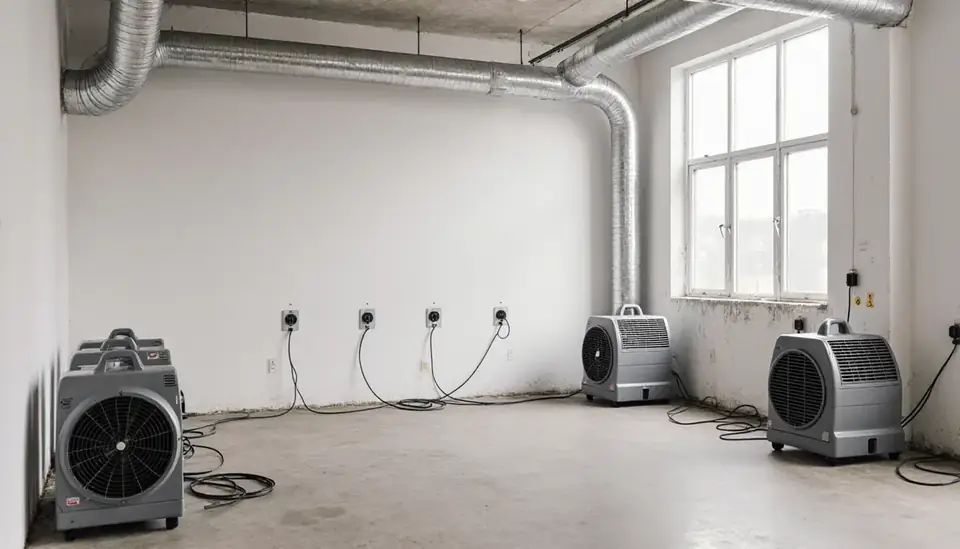
- Air movers and dehumidifiers with daily moisture readings until block walls and studs reach normal levels, which can take longer when groundwater is still high.
A provider experienced in flood cleanup will usually document each step for your insurer. If water only reached the garage or a single room, targeted structural drying may be enough to avoid tearing out finished walls.
Wind, Roofs and Mold in Inland Volusia
Distance from the coast does not mean distance from hurricanes. In 2004 Charley tracked directly over Deltona, and Frances and Jeanne followed within weeks. Wind-driven rain through lifted shingles and soffits can soak attic insulation long before a ceiling stain appears.
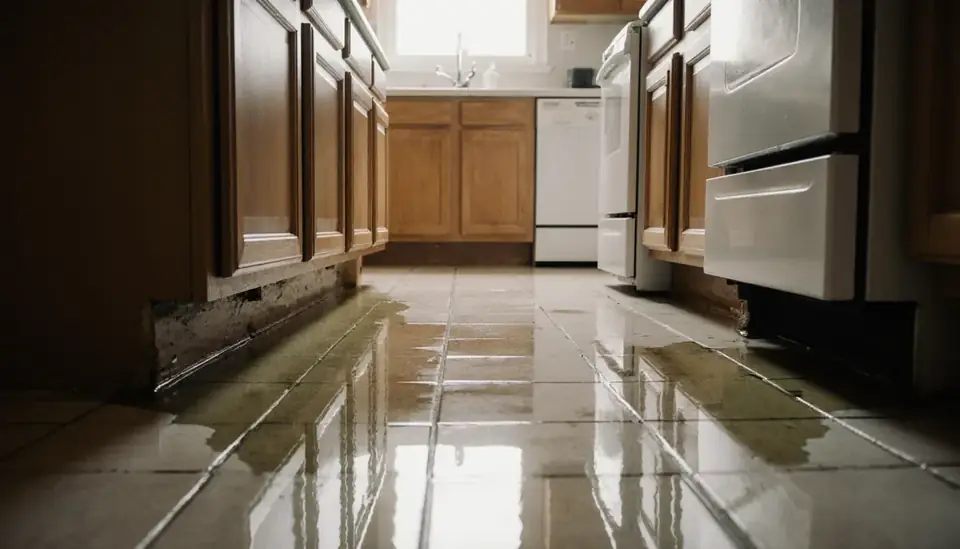
Mold follows moisture, and inland Volusia stays humid through the long rainy season. Houses left closed up while owners wait for a yard to drain are especially prone to it, because the air conditioning is often off and the indoor humidity climbs. If you notice a musty smell, spotting on baseboards or swollen cabinet bases, have the affected area assessed and consider professional mold remediation rather than painting over stains.
Neighborhoods and Nearby Communities
Calls come in from across Deltona, including:
- Deltona Lakes
- Arbor Ridge
- Stone Island
- Lake Gleason
- Lake Butler Shores
The same line also serves nearby communities such as:
- DeBary
- Orange City
- DeLand
- Lake Helen
- Enterprise
- Osteen
- Sanford
Deltona Water Damage Questions
Why did water stay in parts of Deltona for months after Ian?
The eastern half of the city drains to the Theresa Basin, which has no surface outlet. Water flows into a chain of lakes and leaves only through the ground or evaporation. After Ian and Nicole the lakes rose up to 3.5 feet and did not fully recede until spring 2023. Homes near those lakes saw prolonged exposure rather than a single quick flood.
My Deltona home is not in a high-risk flood zone. Do I need flood insurance?
It is worth considering. After Ian, residents on Sunday Drive who were outside high-risk zones still had two to three feet of water near their homes. Homeowners policies exclude rising floodwater, and Deltona is updating its flood maps for the Theresa Basin, so the zone on your lot could change. Check FEMA's map service and talk to your agent.
Can a restoration crew start drying while the yard is still flooded?
Usually they will remove standing water and wet materials first, but full drying is far more effective once outside water is below the level of the slab. Running equipment while water keeps seeping in wastes time. A provider can set up monitoring and return as levels drop. Call (888) 317-9980 to be connected with an independent provider serving Deltona.
Is lake or retention-pond water safe to clean up myself?
Floodwater that has crossed yards and streets is treated as contaminated. It can carry septic overflow, fertilizer, fuel and debris. Wear boots and gloves, keep children and pets out, and avoid stirring up sediment. Porous items such as carpet, pad and lower drywall that sat in it are generally removed rather than dried.