

Two downtowns, one lagoon and a long memory of rain: Melbourne absorbed Eau Gallie in 1969, and the merged city now runs from mainland neighborhoods along the Indian River Lagoon to a strip of Melbourne Beachside on the barrier island. Most of it sits around 26 feet above sea level, which keeps much of the mainland out of the reach of storm surge but does nothing to stop the slow-moving tropical systems that have set rainfall records here.
The Restoration Job runs a free phone line that is answered 24/7. Call (888) 317-9980 and we will connect you with an independent restoration provider that serves Melbourne and the rest of south Brevard. We are a referral service only; the drying, cleanup and repairs are handled by third-party companies.
How the call works: when you call (888) 317-9980, The Restoration Job connects you with an independent restoration provider that serves Melbourne. That provider inspects the damage, explains the scope and quotes the work. The Restoration Job doesn't perform restoration itself. Read our referral disclosure.
Fay, Erin and the Storms That Refused to Move
The worst flooding in recent Melbourne history did not come from a hurricane's wind. In August 2008, Tropical Storm Fay drifted over southern Brevard County and then nearly stopped, wringing out round after round of heavy rain. The National Weather Service office in Melbourne recorded a storm total of 27.65 inches in the northern part of the city, enough to rank Fay among the wettest tropical cyclones in Florida history. Thirteen years earlier, on August 2, 1995, Hurricane Erin set a daily rainfall record of 9.06 inches.
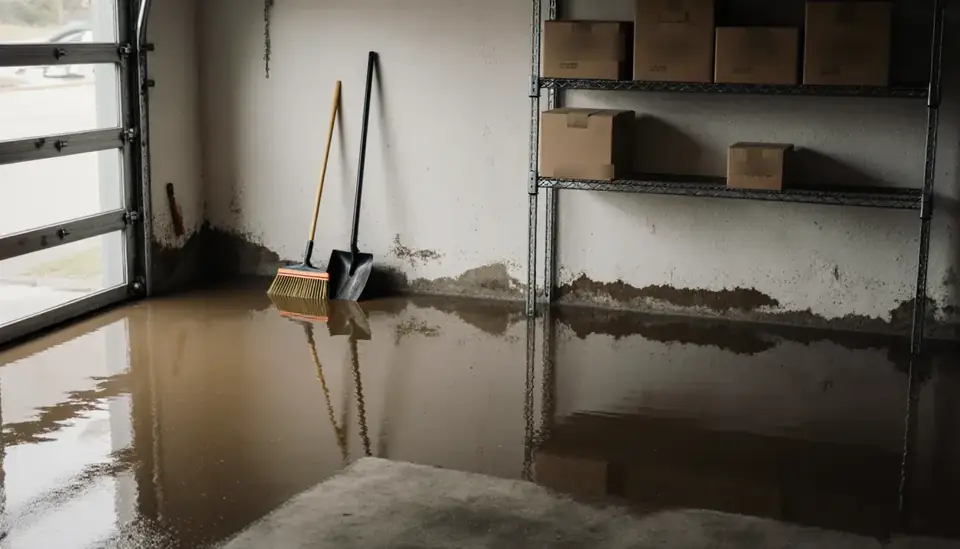
Neither storm needed a direct hit to do damage. Water came up through yards and garages, backed into low rooms and sat against exterior walls for days. That pattern is the main reason flood cleanup here so often involves pulling baseboards and the bottom of drywall even when only a few inches of water got inside.
Summer Downpours on Mainland Streets
Melbourne averages about 51 inches of rain a year, and much of it arrives in convective thunderstorms between late May and early October. A single afternoon cell can overwhelm neighborhood drainage. On June 9, 2016, Melbourne International Airport logged a record 2.81 inches before mid-afternoon; one Wisteria Drive homeowner watched about 9 inches of water rise outside his house and stop just short of the door.
The city's own flood guidance names three threats: storm surge, river flooding, and heavy rain in low-lying or poorly drained areas. Older streets near downtown and the Eau Gallie Arts District, where many early homes were built in the frame vernacular style, deserve particular attention because raised wood floors and older plaster react differently to moisture than a modern slab home.
Beachside Units Versus Mainland Houses
Across the causeways, Melbourne Beachside faces a different mix: wind-driven rain off the Atlantic, lagoon water on the west side, and multi-unit buildings where one leak can reach several owners. A failed supply line on an upper floor can travel down through ceilings before anyone downstairs notices. In those buildings, find out early whether the association's master policy or your own unit policy covers drywall, flooring and cabinets, and document every room before materials are removed.
Mainland houses are more likely to see trouble start at ground level. Common sources include:
- AC condensate lines and drain pans in closets or attics that clog during the humid months
- Water heaters in garages that leak slowly onto slab and baseboards
- Roof leaks around flashing after strong summer squalls
- Rainwater entering under sliding doors and through garage thresholds
What a Restoration Crew Will Check First
A professional will typically start by stopping the source, then mapping moisture with meters and thermal imaging to see how far water has wicked into walls and under flooring. Standing water is extracted, wet carpet pad is usually discarded, and air movers and dehumidifiers are set up to dry the structure. For a full picture of that process, see our page on water damage restoration.
Before anything is torn out, photograph each room, note the date and time water was found, and call your insurer. Standard homeowners policies cover sudden leaks but not rising floodwater, which requires a separate flood policy. The City of Melbourne points residents to the FEMA Flood Map Service Center, the Brevard County flood map and the county property appraiser to confirm a property's zone.

Humidity, Closed Houses and Mold Growth
Brevard's warm, humid air means wet materials rarely dry on their own. Inside a closed-up house, drywall that stays damp for a couple of days can begin to show mold growth, especially behind cabinets and under vinyl or laminate flooring where air does not move. Running the AC alone is not enough. A drying plan with dehumidification and moisture readings taken until materials return to normal is the practical way to prevent a mold cleanup from following the original water damage in Melbourne.
Neighborhoods and Nearby Communities
Calls come in from across Melbourne, including:
- Eau Gallie
- Eau Gallie Arts District
- Downtown Melbourne
- Melbourne Beachside
- Lansing Island
The same line also serves nearby communities such as:
- West Melbourne
- Palm Bay
- Melbourne Beach
- Indialantic
- Satellite Beach
- Indian Harbour Beach
- Palm Shores
- Melbourne Village
Common Questions
Why does Melbourne flood when a storm doesn't even make landfall here?
Rainfall, not wind, has driven the city's worst events. Tropical Storm Fay in 2008 stalled over south Brevard and produced a storm total of more than 27 inches in north Melbourne. Slow-moving systems overwhelm ditches, ponds and street drains regardless of where the center comes ashore, so homes well away from the lagoon can still take water.
How do I check my Melbourne property's flood zone?
The city recommends the FEMA Flood Map Service Center, the Brevard County flood map and the county property appraiser's records. FloodSmart.gov also offers a risk lookup by address. Even if you are outside a high-risk zone, a flood policy is the only coverage for rising water, since homeowners insurance excludes it.
My beachside condo got water from the unit above. Who handles it?
Usually both owners and the association are involved. The association's master policy often covers common elements and sometimes original fixtures, while your unit policy covers your interior and belongings. Report the leak to management in writing, photograph the damage, and have the source unit inspected. A provider can begin drying while coverage is sorted out.
Can I dry a wet carpet myself after a summer storm?
If the water was clean and the area is small, fans and a dehumidifier may work. Carpet pad, however, holds water and often needs replacing, and moisture can wick into baseboards and drywall where you cannot see it. Rainwater that entered from outside may carry contaminants. A moisture check helps confirm the subfloor and walls are actually dry.