
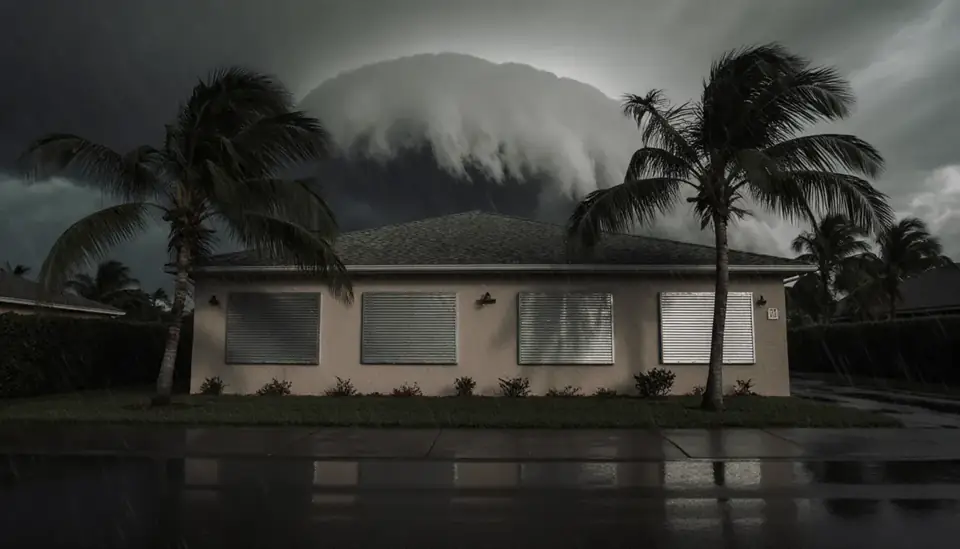
Roughly two-thirds of Cocoa Beach is water. The city occupies a narrow barrier island with 5.6 miles of Atlantic oceanfront on one side and the Banana River on the other, and its average elevation is under 10 feet. Much of the residential land on the river side was built up with material dredged from the Banana River itself, and the Thousand Islands just offshore were carved out centuries ago when a hurricane pushed the ocean through the island.
Call (888) 317-9980 any time to be connected with an independent restoration provider that serves the beaches of central Brevard. The Restoration Job is a free referral line; the cleanup and drying are done by third-party companies.
How the call works: when you call (888) 317-9980, The Restoration Job connects you with an independent restoration provider that serves Cocoa Beach. That provider inspects the damage, explains the scope and quotes the work. The Restoration Job doesn't perform restoration itself. Read our referral disclosure.
Two Shorelines, Two Kinds of Flood Risk
On the ocean side, the main threats are wave action, beach erosion and wind-driven rain forced through windows and sliding doors. On the river side, the danger is water rising from the Banana River and from rain that cannot drain fast enough on low, flat ground. During Hurricane Ian in September 2022, the city reported localized flooding on SR 520, around Bicentennial Park, along Belt Road and on many side streets, and asked residents to stay off the roads.
Because the island is so low, even a strong tropical storm that stays offshore can push water into garages and ground-floor rooms. That water is brackish and dirty, which changes how cleanup is handled. Porous materials usually come out, and a provider focused on storm damage cleanup will typically clean and disinfect before drying.
Why the Dunes Held During Nicole
When Nicole came ashore in November 2022, beachside areas to the north in Volusia County took heavy damage. Cocoa Beach fared far better, and one reason is its wide dunes, which in places run 20 yards or more. Those dunes trace back partly to a 1999 legal settlement over erosion blamed on Port Canaveral's jetties, which committed the federal government to a 50-year renourishment program for 13 miles of beach south of the port.
Healthy dunes reduce surge and wave damage but do nothing about rain. Roof leaks, water forced around windows and flooding on the river side can still occur in a storm that never threatens the beach.

Condos, Mid-Rises and Space-Age Houses
The city's population jumped from 246 in 1950 to nearly 10,000 by 1970 as the space program grew next door, so a good share of the housing dates from that boom. In homes of that age, aging supply lines, drain pipes and water heaters are frequent sources of slow, hidden leaks. Along A1A, condominium buildings dominate; voters capped new construction at 45 feet in 2002, but around 80 taller buildings already stood or were approved by variance.
In multi-unit buildings, a leak can travel through several units before it is found. If water is coming through your ceiling:
- Notify building management and the unit owner above in writing.
- Photograph the ceiling, walls and floor with timestamps.
- Ask the association which items the master policy covers and which fall to unit owners.
- Get drying started even while responsibility is being sorted out.
What Cleanup Looks Like on the Island
A restoration crew will typically begin by finding the source and measuring how far moisture has spread, including into adjacent units or under tile. Saltwater intrusion is treated as contaminated, so carpet, pad and the lower section of drywall are removed, and surfaces are cleaned before drying equipment goes in. For a clean-water leak from a supply line, the goal is usually to dry in place with structural drying equipment and save as much as possible.
Flood insurance is separate from homeowners and condo policies. The city's emergency preparedness page links to FEMA flood insurance information and encourages residents to sign up for county alerts before storm season.
Salt Air, Humidity and Mold
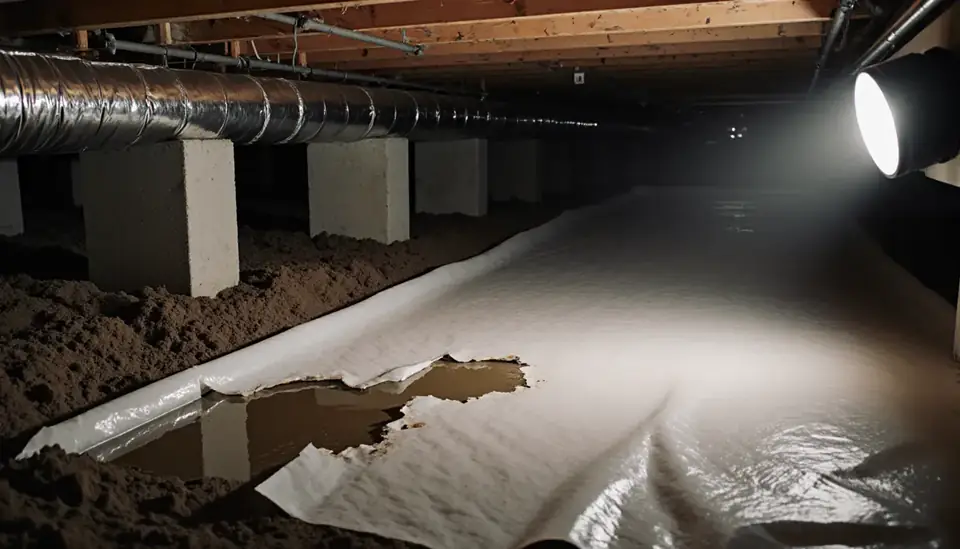
Ocean humidity rarely lets up here, and a closed-up beach condo with the AC set high while owners are away is a common place for mold to start after a leak. Wet drywall behind kitchen cabinets and bathroom vanities may show nothing on the surface for days. Keeping humidity controlled while a unit is vacant and having a moisture check after any leak are simple ways to avoid a larger mold problem in Cocoa Beach.
Cocoa Beach Neighborhoods and Surrounding Towns
Calls come in from across Cocoa Beach, including:
- Thousand Islands
- Minutemen Causeway area
- Cocoa Beach Country Club area
- A1A oceanfront corridor
- Banana River side
The same line also serves nearby communities such as:
- Cape Canaveral
- Merritt Island
- Satellite Beach
- Cocoa
- Indian Harbour Beach
- Rockledge
Questions From Cocoa Beach Property Owners
Does river-side flooding in Cocoa Beach count as a flood claim?
Yes. Water rising from the Banana River or pooling on the street and flowing into the house is flood damage, which homeowners and condo policies exclude. A separate flood policy covers it. Wind-driven rain entering through a damaged roof or window is often handled under the regular policy, so document how water got in.
My condo is empty half the year. What can I do to protect it from leaks?
Shut off the main water supply when you leave, keep the AC running to control humidity, and ask someone to check the unit after storms. Many Cocoa Beach leaks are discovered late, after water has spread to neighbors below. A leak detector with phone alerts can also help.
Is saltwater damage harder to clean up than freshwater?
Usually. Saltwater leaves residue that keeps attracting moisture, corrodes metal fasteners and electrical components, and often carries debris. Porous materials it soaks are generally replaced rather than dried. Surfaces need thorough cleaning before drying, and electrical items should be inspected before use.
Where do I find official storm updates for the island?
The City of Cocoa Beach posts updates and links to Brevard County Emergency Management and the National Weather Service in Melbourne. Signing up for AlertBrevard text notifications is the quickest way to get warnings about flooding and road closures on the island.