
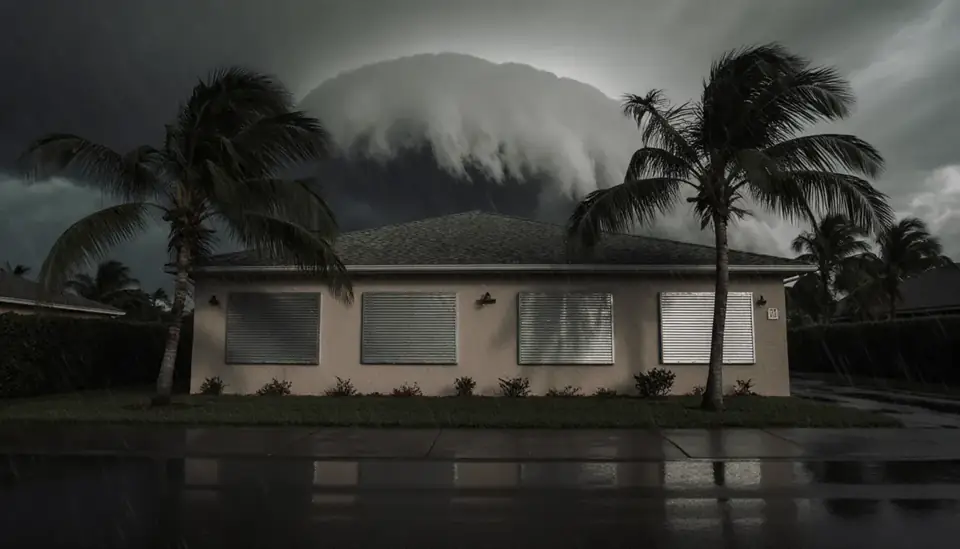
Clearwater lives at two very different heights. Downtown sits on a bluff about 66 feet above the water, where freshwater springs once ran down to the harbor and gave the town its name. Across the Intracoastal Waterway and the Memorial Causeway, Clearwater Beach and Sand Key are low barrier islands with the Gulf on one side and the harbor on the other. A storm can leave one part of the city nearly untouched while the other is under several feet of saltwater.
The 2024 hurricanes hit both. Helene drove record surge across the beach, and Milton's rain flooded mainland apartments and homes two weeks later. Call (888) 317-9980, free and staffed around the clock, and we'll connect you with an independent restoration provider that handles flood, storm and leak damage in Clearwater and nearby Pinellas communities.
How the call works: when you call (888) 317-9980, The Restoration Job connects you with an independent restoration provider that serves Clearwater. That provider inspects the damage, explains the scope and quotes the work. The Restoration Job doesn't perform restoration itself. Read our referral disclosure.
Record Surge on Clearwater Beach and Sand Key
The Clearwater Beach tide gauge peaked 6.67 feet above mean higher high water during Helene, beating the 4.02-foot mark set by the 1993 Storm of the Century. Gusts reached 73 mph at the same station. Several buildings on the island caught fire after the water came through, beach access was closed for days, and residents spent the following week stacking ruined furniture, drywall and appliances at the curb while crews worked to move sand off the roads.
Surge on a barrier island fills ground-floor units, lobbies, parking garages, elevator pits and mechanical rooms first. In condominium buildings, responsibility is usually split: the association handles common elements and building structure under its master policy, while unit owners cover interior finishes and contents. Read your declaration and HO-6 policy, and coordinate with the association before tearing out shared walls. Fast storm damage cleanup in a multi-unit building is as much about coordination as equipment.
Milton's Flooding on the Mainland
Milton produced only about a foot of surge above high tide at Clearwater Beach, but its rain was a different story. More than 18 inches fell in downtown St. Petersburg to the south, and in Clearwater rescuers evacuated 565 people from an apartment complex where water was neck-deep in places. Gusts across Pinellas ran 80 to 100 mph, strong enough to damage roofs and let rain into attics.
Rain flooding in mainland neighborhoods tends to follow creek channels and low streets. The city has noted that FEMA is issuing new flood maps for the Alligator Creek watershed, a reminder that mapped risk changes. If water entered from outside or backed up through drains, treat it as contaminated and plan for removal of wet drywall, carpet and pad before water extraction and drying.
Sunny-Day Flooding and King Tides
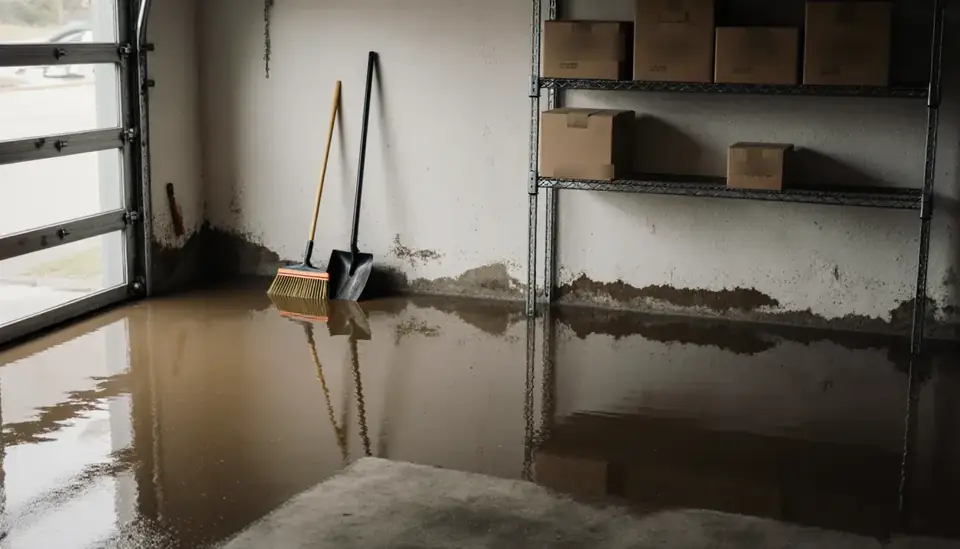
Some Clearwater streets flood without a cloud overhead. According to the city, sunny-day flooding happens when high tides push water back into the stormwater system, when groundwater rises and leaves the system less room to drain, and when outfalls cannot discharge at peak tide. King tides, the exceptionally high tides that occur a few times a year when the moon and sun line up, make this worse, and sea level rise is spreading it to places that did not flood before.
The city recommends steps such as:
- Installing check valves to stop tidal backflow through drains
- Raising air-conditioning equipment, water heaters and electrical panels above likely flood levels
- Carrying flood insurance even outside a mapped high-risk zone
- Avoiding contact with tidal floodwater, which can carry bacteria and debris
Clearwater also offers site visits and one-on-one advice to homeowners on property protection.
Mold Prevention in Coastal Buildings
Salt air, summer humidity, about 52 inches of rain a year and buildings closed up during evacuations combine to give mold an easy start in Clearwater. Condominiums add another layer: moisture can travel behind shared walls and under flooring into a neighboring unit that looks dry. After any flood or leak, get moisture readings in adjoining units and hallways, not just the source unit. Remove wet carpet pad, baseboards and lower drywall promptly, and keep the HVAC running to pull humidity down. Persistent musty odors or visible growth across a wall section are signs to bring in a mold remediation provider who can contain the area during removal.

Older Homes Around Harbor Oaks and Downtown
Harbor Oaks, an early 20th-century development on the former Fort Harrison site, and the blocks near historic Cleveland Street include some of the city's older houses. On the bluff, these homes are rarely touched by surge, but they see their share of roof leaks after wind-driven rain, failing galvanized or cast-iron plumbing, and water heaters past their service life. Older plaster and wood flooring often respond well to careful drying, so ask a provider about saving original materials before demolition begins.
Areas In and Around Clearwater
Calls come in from across Clearwater, including:
- Clearwater Beach
- Sand Key
- Harbor Oaks
- Downtown Clearwater
- North Greenwood
- Countryside
- Morningside
The same line also serves nearby communities such as:
Clearwater Water Damage Questions
Who pays for water damage in my Clearwater Beach condo?
It depends on where the water came from and what your association documents say. Generally, the association's master policy covers structural elements and common areas, while your HO-6 policy covers interior finishes, cabinets and personal property. Surge damage falls under flood coverage, which may be held by the association for the building and by you for contents. Report the loss to the association and your insurer right away.
Why does my street flood during high tide even when it isn't raining?
That is sunny-day or tidal flooding. High tides push seawater back up the storm drains, and when groundwater is also high the system has nowhere to send runoff. King tides a few times a year make it more noticeable. The city recommends check valves on drains, raising utilities and carrying flood insurance. Don't walk or drive through tidal water, which can hide debris and contamination.
Do I need different help for surge damage than for a burst pipe?
The steps differ. A clean-water pipe break caught early can often be dried in place with fans and dehumidifiers. Saltwater surge carries silt, sewage and fuel, so wet drywall, insulation and flooring usually come out and the structure is disinfected before drying. Either way, call (888) 317-9980 and we'll connect you with an independent provider in Clearwater that handles the kind of damage you have.