
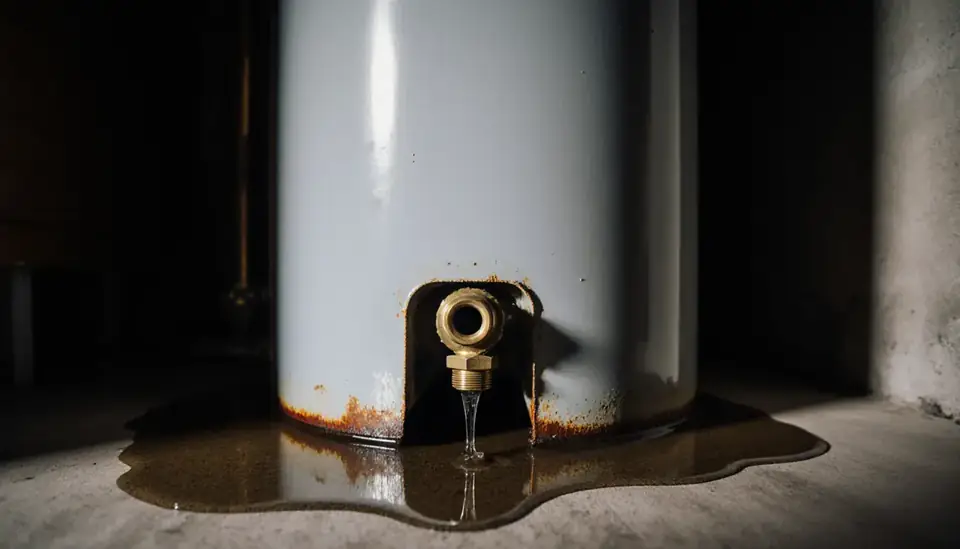
Ferry Pass covers the stretch of Escambia County between Pensacola's northern city limits and Greenbriar Boulevard, with Escambia Bay along its eastern edge and the University of West Florida inside its boundaries. Much of the community sits well above sea level, around 105 feet at the census reference point, so the water that reaches living rooms here usually arrives from the sky or from inside the walls rather than from the Gulf. Heavy Panhandle downpours, a bay shoreline that took real surge during Hurricane Ivan, and a hard freeze in January 2025 have all produced water damage in Ferry Pass homes and apartments.
The Restoration Job runs a free referral line at (888) 317-9980 that answers around the clock. We connect callers with independent, third-party restoration companies that work in this part of Escambia County. We don't send workers or equipment ourselves; the provider you're connected with handles the inspection, the cleanup and the drying.
How the call works: when you call (888) 317-9980, The Restoration Job connects you with an independent restoration provider that serves Ferry Pass. That provider inspects the damage, explains the scope and quotes the work. The Restoration Job doesn't perform restoration itself. Read our referral disclosure.
Rain Rates That Overwhelm Yards and Gutters North of Pensacola
The defining water event for this area in recent memory is the night of April 29, 2014. The National Weather Service estimated 15.55 inches fell that calendar day at the Pensacola airport gauge, the largest daily total in records reaching back to 1879, and 5.68 inches came down in a single hour. Ferry Pass neighborhoods got the same storm. Rain arriving that fast doesn't soak into lawns; it sheets across driveways, fills low spots against foundations, overtops gutters and finds its way under exterior doors and through slab cracks.
Hurricane Sally in September 2020 was another rain-driven event for Escambia County. The NWS counted 1,756 damaged structures countywide, with 44 destroyed and 629 suffering major damage. On higher ground, typical damage after storms like these includes:
- Roof leaks where shingles or flashing were lifted, soaking attic insulation and ceilings
- Water pushed under sliding doors and through window frames by wind-driven rain
- Carpet and baseboards wicking water in rooms that sit slightly below the yard grade
- Drains and sewer lines backing up when the system is overloaded
The Escambia Bay Shoreline Is a Different Risk
Most of Ferry Pass is out of reach of storm surge, but the eastern edge is not. During Hurricane Ivan on September 16, 2004, NWS surveyors measured surge of 12.92 feet (NGVD) on the west bank of Escambia Bay at Highway 90 and 12.12 feet about a mile and a half north of I-10. Sally's highest surge in the area also concentrated in the northern half of Escambia Bay. Homes near the water in this part of the county therefore need a different conversation about risk than homes a mile inland.
Bay water carries silt, debris and often sewage, and it saturates materials with salt. A provider handling flood cleanup after surge will usually remove wet drywall, insulation and flooring rather than trying to dry them in place, then clean and disinfect the framing before drying begins. Remember that surge and rising water are covered under flood insurance, which is a separate policy from homeowners coverage, so photograph everything before materials are torn out.
January 2025: Freeze Damage in a Place Built for Heat
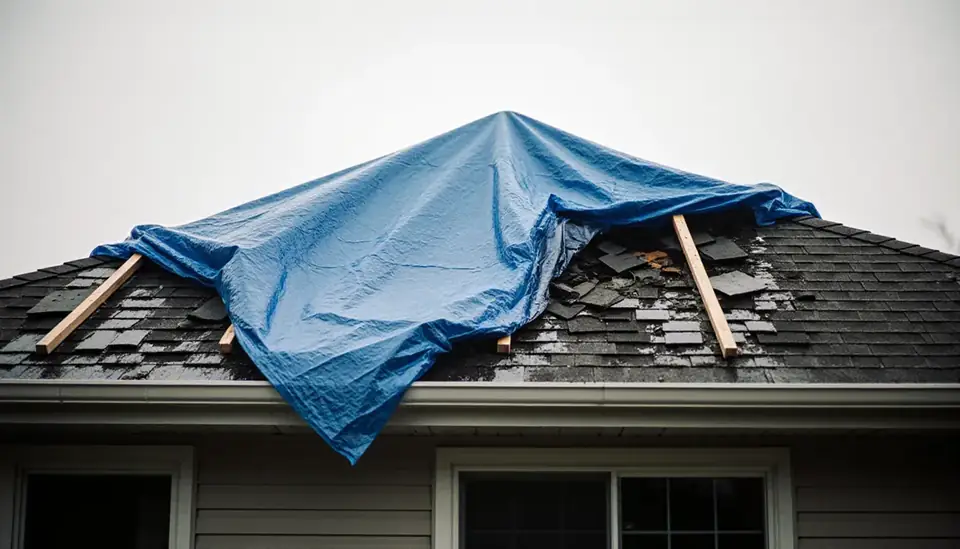
The January 21, 2025 storm buried the Pensacola area in snow; a CoCoRaHS observer in the Ferry Pass area reported 9.4 inches, and Pensacola's official low dropped to 13 degrees the next morning. Houses in this climate are built to shed heat, not hold it. Supply lines in exterior walls, attic plumbing, hose bibs and pipes running through unheated garages are exposed when temperatures drop that far.
Freeze breaks often show up only after thawing, when pressure returns and water sprays into a wall cavity or ceiling. If that happens, shut off the main valve, open faucets to drain the lines, and cut power to any wet circuits. Clean supply water that is caught quickly is the easiest kind of loss to dry, so it's worth calling for water extraction and drying help the same day rather than waiting to see how bad it is.
Apartments, Student Rentals and Shared Walls
Census figures count roughly 14,700 housing units in Ferry Pass, and with UWF inside the community, a good share are apartments and rentals. In a multi-unit building a leak rarely stays in one place. A failed washing machine hose or water heater upstairs can soak the unit below before anyone notices, and the damage may run through shared ceilings and walls.
Tenants should notify the landlord or property manager immediately and photograph the damage; the owner's policy typically covers the building, while a renter's policy covers personal belongings. A restoration provider can take moisture readings in adjoining units to map how far water has traveled, which helps everyone sort out who is responsible for what.
Humid Escambia Summers and Mold After a Leak
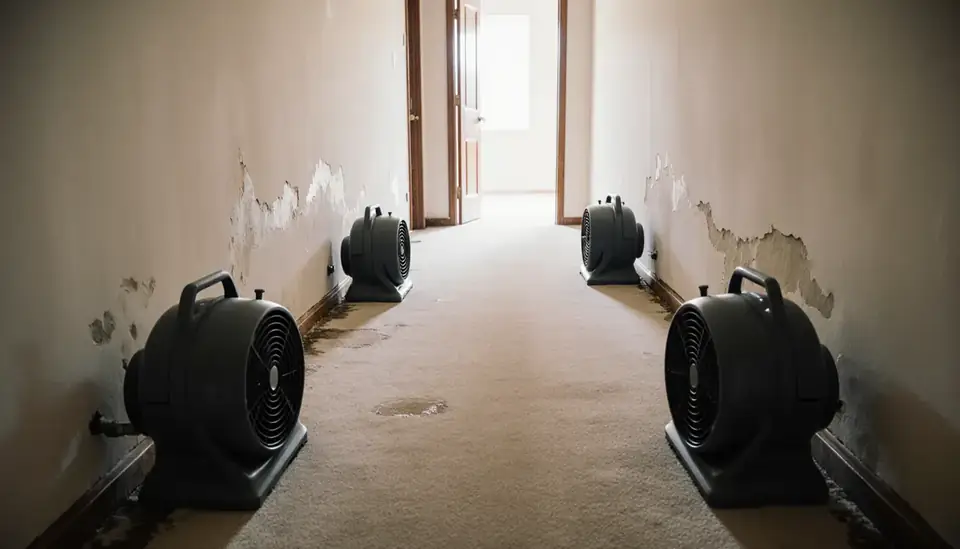
Escambia County summers keep humidity high for months, and the area averages close to 68 inches of rain a year. Wet drywall, carpet pad and wood framing in that environment can begin growing mold within a couple of days if drying stalls. Running window units or opening the house usually isn't enough when the outdoor air is already saturated.
Professional drying relies on air movers, dehumidifiers and daily moisture checks until materials reach normal readings. If you notice a musty smell, staining on baseboards, or visible growth after an earlier leak, a provider offering mold remediation can locate the moisture source, contain the affected area and remove damaged materials. Fixing the leak itself comes first, or the growth will return.
Ferry Pass Neighborhoods and Surrounding Towns
The same line also serves nearby communities such as:
- Pensacola
- Ensley
- Brent
- Gonzalez
- Pace
- Milton
- Gulf Breeze
Ferry Pass Water Damage Questions
Does my Ferry Pass home need flood insurance if it isn't near the bay?
Many Ferry Pass homes sit outside high-risk flood zones, but the April 2014 storm showed that intense rain can flood properties far from any shoreline. Standard homeowners policies exclude flooding from rising surface water. You can look up your property's zone on the FEMA Flood Map Service Center and talk with your agent about a policy, keeping in mind that new flood policies usually have a waiting period.
Who do I contact in Escambia County about flooding on my street?
Escambia County Public Works handles drainage and roadway flooding in unincorporated areas like Ferry Pass, and the county's local flood information page lists contacts, including Emergency Management at (850) 471-6400. For water inside your home, call (888) 317-9980 and we'll connect you with an independent restoration provider serving the area.
A pipe burst in my attic during the freeze. Can the ceiling be saved?
Sometimes. If the drywall is sagging or soaked through, it usually needs to come down, and wet attic insulation typically has to be replaced. Ceilings that got only a short exposure to clean supply water can often be dried in place with targeted airflow and dehumidification. A provider can test moisture levels above and below the ceiling to decide which approach makes sense.
What should I do first after water gets into my apartment near UWF?
Stop the water if you can safely reach a shutoff, keep clear of wet electrical outlets, and tell your property manager right away in writing. Take photos of the damage and your belongings. If the landlord is slow to respond and water keeps spreading, ask about emergency service, since delays raise the chance of mold in shared walls.