
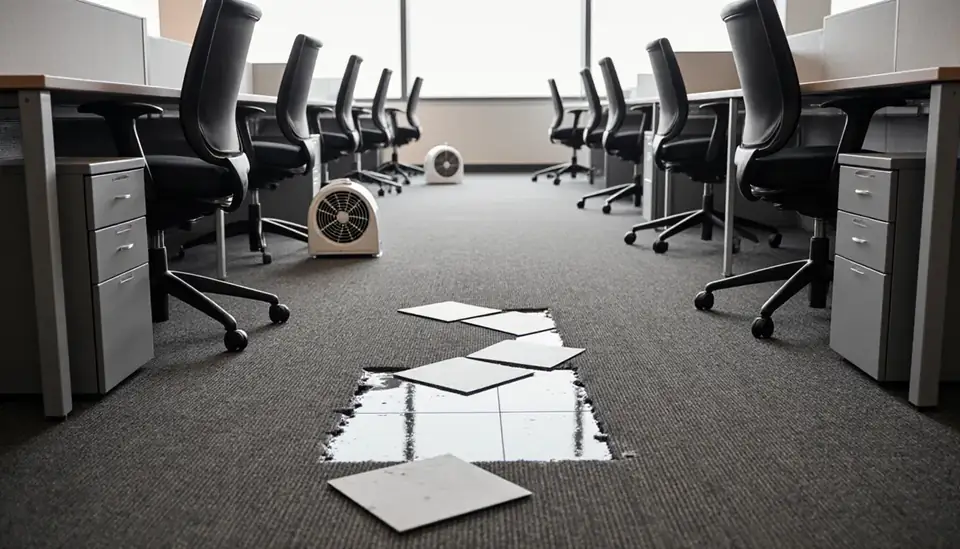
Roughly nine miles of Gulf shoreline define Panama City Beach, and most of it is lined with towers. A construction boom in the early to mid-2000s replaced many older homes and motels along Front Beach Road with high-rise condominiums, and the city's population grew by half between 2010 and 2020. Water problems here tend to follow that skyline: wind-driven rain against tall walls, leaks that travel between stacked units, and vacation properties where nobody is home to catch a drip.
The Restoration Job operates a free 24/7 referral line at (888) 317-9980. We connect callers in Panama City Beach with independent restoration providers that work in Bay County; we don't carry out the restoration ourselves.
How the call works: when you call (888) 317-9980, The Restoration Job connects you with an independent restoration provider that serves Panama City Beach. That provider inspects the damage, explains the scope and quotes the work. The Restoration Job doesn't perform restoration itself. Read our referral disclosure.
Wind-Driven Rain on Gulf-Front Towers
Hurricane Michael made landfall well east of the city in October 2018, yet gusts reached 87 mph in Panama City Beach and roof and siding damage was widespread. On tall buildings, rain doesn't just fall; it is pushed sideways and even upward under sliding glass door tracks, through window frames and around balcony penetrations. Upper floors take the strongest wind.
After a storm, owners often find wet carpet along the balcony wall, swollen baseboards beneath windows, or stains around ceiling fixtures. These leaks can recur each time a strong squall comes off the Gulf until the building envelope is repaired, so it helps to note which wind direction produced the water. Prompt storm damage cleanup keeps the drywall and carpet pad from becoming a mold source while the association addresses exterior repairs.
Stacked Units: Tracing a Leak Up the Building
In a high-rise, water moves downward through ceilings, plumbing chases and wall cavities, so the unit showing damage is not always the one where the leak began. Common sources include washing machine hoses, water heater failures in utility closets, and clogged AC condensate lines that back up into the unit below.
- Tell building security or the management office first; they can access shutoffs and neighboring units.
- Photograph the ceiling, walls and floor in your unit, along with the time you found the water.
- Ask which parts of the structure the association insures under its master policy and which fall to you.
- Get moisture readings taken in every affected unit, not only yours.
Surge History Along the Beachfront
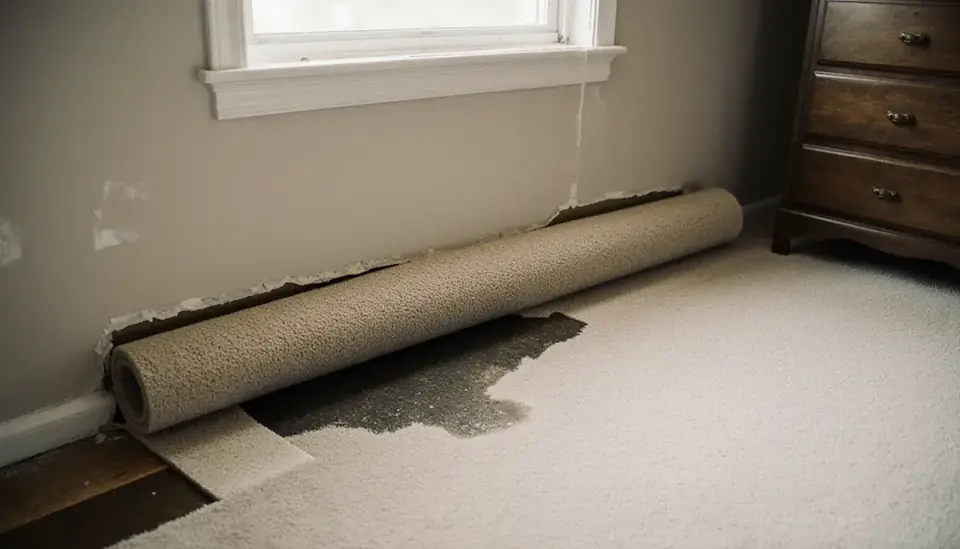
Hurricane Opal struck the Panhandle on October 4, 1995, with storm surge of 8 to 15 feet in parts of the region, and Bay County was among four counties where, combined, nearly 300 homes were destroyed. Ground-floor units, lobbies, parking levels and elevator pits in today's beachfront buildings are the areas most exposed to that kind of water. On the bay side, around the Grand Lagoon and West Bay, surge and heavy rain can also back water into low streets and garages.
Saltwater flooding brings sand, silt and bacteria, so soaked drywall and insulation are typically cut out rather than dried. Bay County's flood page lists hurricanes, tropical storms and intense or prolonged rainfall as the local flood hazards, and explains how to obtain an elevation certificate.
Keeping Rentals Dry Between Guests
Beach-area humidity means a unit closed up with the AC off can develop musty odors and mold on walls, mattresses and closet contents, even without a leak. When there is a leak, mold can start within a few days. Managers can reduce risk by keeping the thermostat at a moderate setting, checking condensate drains during each turnover, and shutting off water to washing machines between stays. If materials are already wet, water extraction followed by dehumidification gives flooring and cabinets their strongest chance.
Areas In and Around Panama City Beach
Calls come in from across Panama City Beach, including:
- Long Beach
- Edgewater Gulf Beach
- West Panama City Beach
The same line also serves nearby communities such as:
- Panama City
- Lynn Haven
- Lower Grand Lagoon
- Upper Grand Lagoon
- Callaway
- Parker
Questions From Panama City Beach Property Owners
Water is coming in around my balcony slider during storms. Is that a restoration problem or a repair problem?
Usually both. The source is an exterior or door seal issue that the association or a contractor needs to fix, often under the condo's governing documents. The wet carpet, pad and drywall inside need drying right away to avoid mold. Document each event with photos and dates so the building's maintenance team can match leaks to wind direction.
Who pays when a leak from the unit above damages my Panama City Beach condo?
It depends on where the leak started, the condo declaration and the policies involved. The upstairs owner's policy, the association's master policy and your own unit-owner coverage may each play a role. Report it to management and your insurer promptly, and don't delay drying while responsibility is sorted out; call (888) 317-9980 to be connected with an independent provider.
I own a vacation condo and live out of state. How can I handle a water loss remotely?
Have your property manager or a reliable local contact let a restoration provider in, and ask for photos, moisture readings and a written scope of work. Your insurer will want the same documentation. Keep a list of shutoff locations and the association's emergency contact on file, and consider leak sensors that alert your phone.
Is flood damage from a hurricane covered by my condo policy?
Typically not. Rising water from the Gulf, the lagoon or heavy rainfall is usually covered only by flood insurance, which is separate from homeowners and condo policies. Wind and wind-driven rain entering through a damaged roof or wall is handled differently. Look over both coverages before hurricane season, since new flood policies usually have a waiting period.