
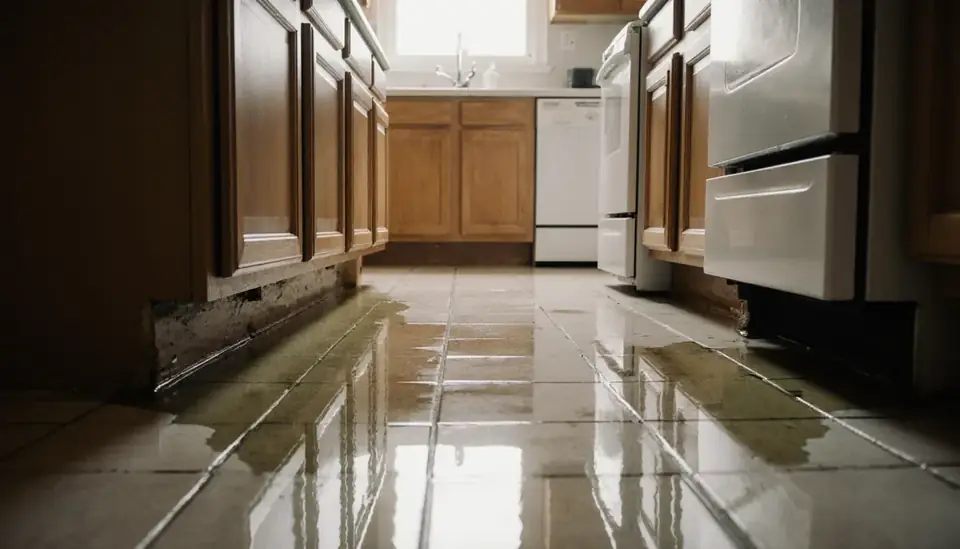
Coral Springs was laid out on drained marshland in the 1960s by a developer that bought 3,869 acres and planned a city for 50,000 people. It grew past 134,000, almost all of it in the decades from 1970 to 2000, so many homes here are now 25 to 50 years old. The canals that made the land buildable still carry every heavy rain, and they do not simply flow downhill: parts of the city depend on pump stations to push water out.
The Restoration Job connects callers with independent restoration companies; we are a referral service and do not employ crews. The phone line at (888) 317-9980 is free and open 24/7. Below is a practical look at how water gets into Coral Springs homes and what to do about it.
How the call works: when you call (888) 317-9980, The Restoration Job connects you with an independent restoration provider that serves Coral Springs. That provider inspects the damage, explains the scope and quotes the work. The Restoration Job doesn't perform restoration itself. Read our referral disclosure.
A Canal System That Runs on Pumps
The Coral Springs Improvement District maintains about 20 miles of canals in its part of the city. According to the district, that network does not drain freely into the regional C-14 canal. Excess stormwater leaves only when its two pump stations switch on, together moving up to 200,000 gallons a minute. During a long rain, how well a street drains depends on those pumps running and on the canals staying open.
That second condition matters. After Hurricane Irma in 2017, the district reported that numerous trees fell into its canals, blocking the path of the water and keeping the system from working properly; crews removed roughly 500 tons of vegetation afterward. Property owners along a canal are responsible for keeping their banks clear, so a leaning tree on your own lot is worth dealing with before the season starts.
Wind, Big Trees and Roof Leaks
For most households here, storm damage arrives from above rather than from rising water. The city sits well inland and is not considered an evacuation area, yet Hurricane Wilma in October 2005 still left damage on an estimated 70 percent of homes and businesses in Coral Springs and nearby western Broward cities. The 2004 and 2005 storms together cut the city's tree canopy by about a third. Limbs through roofs, lifted shingles and cracked tile let rain into attics, where wet insulation can sit unnoticed for days.
After a windstorm, look at ceilings for brown rings and sagging drywall, check the attic with a flashlight if it is safe, and photograph roof damage from the ground. Tarping is the first priority. A provider handling storm damage cleanup can remove soaked insulation and ceiling board and dry the framing so it does not have to be torn out later.

Aging Plumbing in Forest Hills and Cypress Run
Older single-family neighborhoods such as Forest Hills and Cypress Run, along with the homes around Coral Springs Country Club, were largely built during the city's 1970s and 1980s boom. Water heaters have usually been replaced by now, but supply lines, shutoff valves and drain lines under slabs may be the originals. Common calls include:
- Slab leaks that show up as warm spots in tile or an unexplained jump in the water bill.
- AC condensate lines that clog with algae and overflow in a hallway closet.
- Water heaters in garages or interior closets that fail at the tank seam.
- Washing machine hoses and toilet supply lines that split under pressure.
For clean-water leaks caught early, water damage repair may be limited to drying and replacing baseboards. Leaks that ran for days under cabinets or flooring usually mean more removal.
Stopping Mold in a Closed-Up House
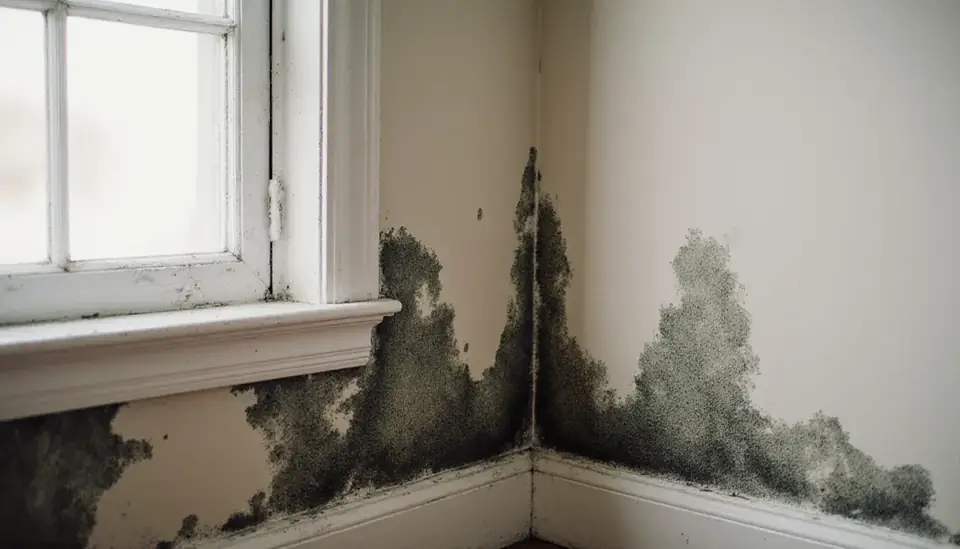
Coral Springs averages a bit over 57 inches of rain a year, with June typically the wettest month, and the air stays humid from late spring into fall. Mold needs only moisture and time. Drywall behind a leaking vanity, carpet pad under a wet rug and the underside of laminate floors are the usual spots. Keep the AC running at a normal setting, set up dehumidifiers if you have them, and remove materials that stay wet more than a day or two. A musty smell that lingers after the visible water is gone is a reason to have the wall cavities checked.
Rain Flooding Away From the Coast
Coral Springs is flat and low like the rest of western Broward, and heavy storms can leave water standing on streets and in yards when canals are already full. The city's engineering department will look up your FIRM panel, zone and base flood elevation on request. Homeowners policies generally exclude rising water, so a separate flood policy is the only coverage for it, whatever zone your house is in. If water does come inside, treat it as contaminated and follow the same steps a coastal homeowner in Pompano Beach would: power off, photos, then extraction and drying.
Areas In and Around Coral Springs
Calls come in from across Coral Springs, including:
- Eagle Trace
- Forest Hills
- Cypress Run
- Coral Springs Country Club
- Wyndham Lakes
- Kensington
- Turtle Run
- Lake Coral Springs
- Hidden Hammocks Estates
The same line also serves nearby communities such as:
- Parkland
- Coconut Creek
- Margate
- Tamarac
- North Lauderdale
- Deerfield Beach
Frequently Asked Questions
A tree on my canal bank fell into the water during a storm. Who removes it?
In the part of Coral Springs served by the Coral Springs Improvement District, owners are responsible for maintaining the canal bank beside their property, and the district treats fallen trees as a drainage threat. Contact the district or the city right away, because a blocked canal can back water up toward several homes. Do not wade into the canal to cut it free yourself.
My ceiling has a stain after a storm but the roof looks fine from the ground. Is that a problem?
It can be. Wind-driven rain gets under tile and through flashing without visible damage from the street, and wet attic insulation holds water against the drywall. Press gently on the stain; soft or sagging board needs attention soon. A moisture meter reading from above and below will tell you how far the water spread before mold has a chance to start.
Do I need flood insurance in Coral Springs if I am not in a high-risk zone?
Lenders may not require it, but heavy rain can still put water inside homes that are outside a mapped high-risk zone, and homeowners policies typically exclude that kind of flooding. The city's engineering department can confirm your zone and elevation details, which help an agent quote a policy.
What can I do while waiting for a restoration provider to arrive?
Shut off the water at the main if a pipe or appliance failed, turn off electricity to wet rooms, and move furniture off wet carpet or put foil under the legs. Take photos for your insurer. Wipe up what you can and keep the AC on. Calling (888) 317-9980 connects you with an independent provider serving Coral Springs; ask them what else to do before they get there.