
The Necanicum River makes its last run to the ocean straight through downtown Seaside, flowing north, parallel to the beach, before reaching the Pacific at the city's northern edge. Tillamook Head rises over the south end of town, and the Promenade runs a mile and a half along the sand. Rainfall averages close to 77 inches a year, almost all of it in the cool season, which makes a slow roof or window leak in winter far more common than any dramatic flood.
There's no charge to use our line: call (888) 317-9980 at any hour and we'll connect you with an independent restoration provider that works in Seaside and nearby Clatsop County communities. That company handles the inspection, the cleanup plan and the work directly with you or your property manager.
How the call works: when you call (888) 317-9980, The Restoration Job connects you with an independent restoration provider that serves Seaside. That provider inspects the damage, explains the scope and quotes the work. The Restoration Job doesn't perform restoration itself. Read our referral disclosure.
A River, Two Creeks and a Beach Town at 23 Feet
The city was developed on both sides of the Necanicum, and Neawanna and Neacoxie creeks join the river in its final stretch, forming the first estuary south of the Columbia. Seaside's official elevation is 23 feet, and much of the flat land between the beach and the hills sits on the low ground of the Clatsop Plains. Part of the city lies within the mapped tsunami inundation zone; in 2016 voters approved $99.7 million in bonds to move schools out of it.
Day to day, the water threats are more ordinary. Long winter storms raise the river and creeks, saturate yards and crawl spaces, and test every roof, gutter and window in town. Properties on the lowest ground near the river or the estuary are the ones most likely to see outside water reach a garage or ground floor, so checking your address on the FEMA flood map is worth the few minutes it takes.
Rentals, Second Homes and Who Notices the Leak
Seaside's housing is unusual for a town its size. Of about 4,818 homes counted in 2020, a third were vacant at census time, which on the coast mostly means vacation and seasonal homes, and more than half of occupied homes were rented. Many units are empty for days or weeks at a stretch.
That has practical consequences. A supply line that splits under a sink in an empty vacation rental can run until the next guest or cleaner walks in. Tenants may not know where the shutoff is. Owners living inland may learn about a problem from a phone call hours later. A few habits help:
- Label the main water shutoff and show cleaners and property managers where it is.
- Consider shutting off water or installing leak sensors when a unit will sit empty.
- Agree in advance who calls for help and who authorizes emergency work.
- Keep photos of the unit's normal condition to compare against after damage.
Storm Season on the Clatsop Plains
The strongest north coast storms arrive with wind as well as rain. During the Great Coastal Gale of December 2 and 3, 2007, gusts passed 100 mph at Astoria to the north, U.S. 26, which follows the Necanicum valley inland from Seaside, was closed by flooding, fallen trees and slides, and coastal phone service failed for days. Clatsop County was declared a disaster area afterward.
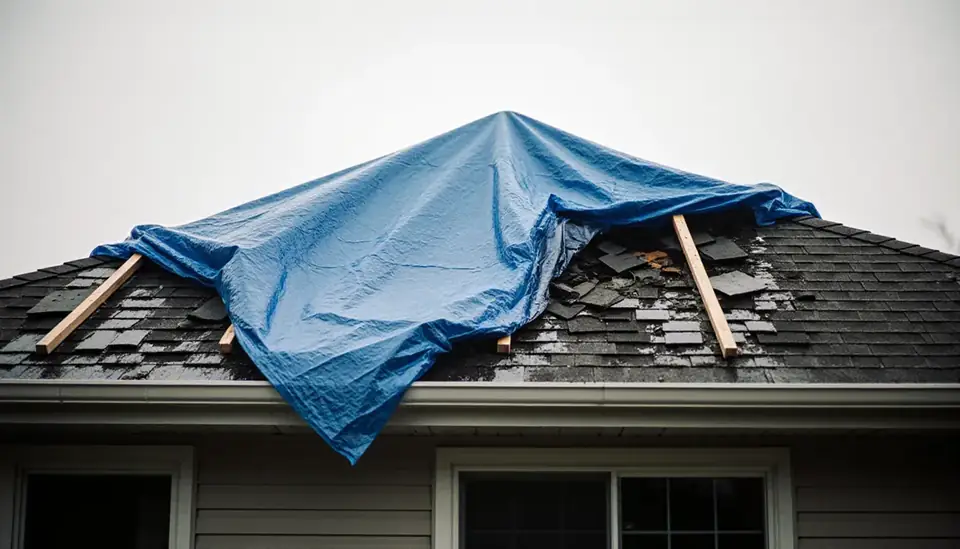
Wind-driven rain gets into places ordinary rain doesn't: under siding laps, around window frames, and through ridge vents. After a big blow, look at ceilings and walls on the windward side and in the attic. Tarping, debris removal and interior drying are all part of storm damage cleanup, and the sooner openings are covered, the less material has to come out.
Drying Out in Salt Air and Constant Damp
Seaside's wet, mild winters mean that walls, insulation and furniture soaked by a leak won't dry on their own in any reasonable time. A closed-up rental is especially prone, because no one is running heat or opening windows. Moisture that lingers in drywall, carpet pad or framing for a few days is where mold begins.
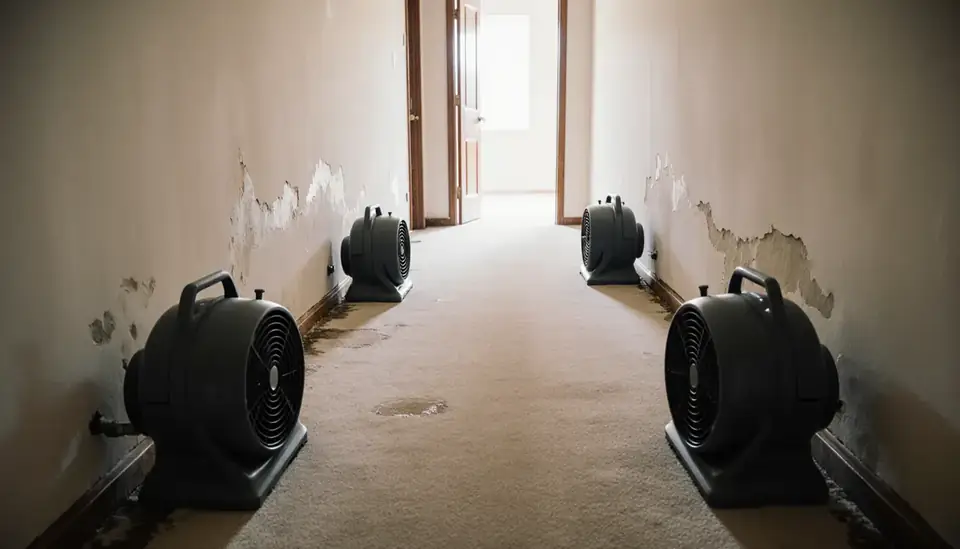
Providers typically extract standing water first, then use dehumidifiers and air movers and check readings until materials reach normal levels. Visible growth calls for mold remediation with containment, and the source of the water should be fixed before any finishes go back up.
Where Callers in the Seaside Area Are
The same line also serves nearby communities such as:
Common Questions
I own a vacation rental in Seaside and the cleaner found water on the floor. What should happen first?
Have whoever is on site shut off the water at the main and, if it can be done safely, turn off power to wet areas. Ask them to photograph everything before moving anything. Then call your insurer and arrange an inspection. You can call (888) 317-9980 to be connected with an independent restoration provider serving Seaside; give them a contact who can let them in and approve work.
Does homeowners insurance cover the Necanicum coming into my house?
Generally not. Standard homeowners and landlord policies cover sudden internal leaks such as a burst pipe, but water rising from a river, creek or estuary is flood damage, covered only by a separate flood policy. Check the FEMA flood map for your property and talk to your agent, especially if you're on the low ground near the river or creeks.
Who actually does the restoration work?
We only make the connection. When you call, we connect you with an independent restoration company that serves the Seaside area. That company inspects, quotes and performs the water removal, drying and repairs under its own contract with you, so ask it directly about its process, schedule and how it reports drying progress to insurers.
Why does my place smell musty every winter even without a leak?
Coastal air stays damp for months, and a unit that sits closed and unheated collects moisture in carpets, closets and crawl spaces. A persistent musty smell can also point to a slow hidden leak or wet insulation under the floor. Running a dehumidifier helps, but if the smell persists, have moisture readings taken to rule out a concealed problem.