

Much of Warrenton is reclaimed ground. The city was built on tidal flats at the mouth of the Columbia River, and it has depended on dikes to keep the river out ever since D.K. Warren oversaw construction of a levee about 2.5 miles long, finished in 1878. The official elevation is just 7 feet above sea level, the Skipanon River winds through town on its way to Youngs Bay, and Astoria sits across the bay bridge to the east. Low, flat land like this changes how water damage in Warrenton behaves: rain has fewer places to go, groundwater sits close to the surface, and crawl spaces stay damp through the winter.
Connecting with help through The Restoration Job is free. Call (888) 317-9980 any time, day or night, and we'll put you in touch with a company that serves Warrenton, Hammond and the surrounding Clatsop Plains. That provider assesses the property and works with you directly.
How the call works: when you call (888) 317-9980, The Restoration Job connects you with an independent restoration provider that serves Warrenton. That provider inspects the damage, explains the scope and quotes the work. The Restoration Job doesn't perform restoration itself. Read our referral disclosure.
Life Behind the Dikes on the Skipanon
The Skipanon is a short river, about 7 miles long. It drains out of Cullaby Lake, runs north through coastal bottomland bordered by dunes, and reaches Youngs Bay near Warrenton at an elevation of about half a foot. In other words, the lower part of the river and the land around it sit barely above the tide. Heavy winter rain falling while the bay is high has a hard time draining, so ditches, yards and low streets can hold water longer than residents expect.
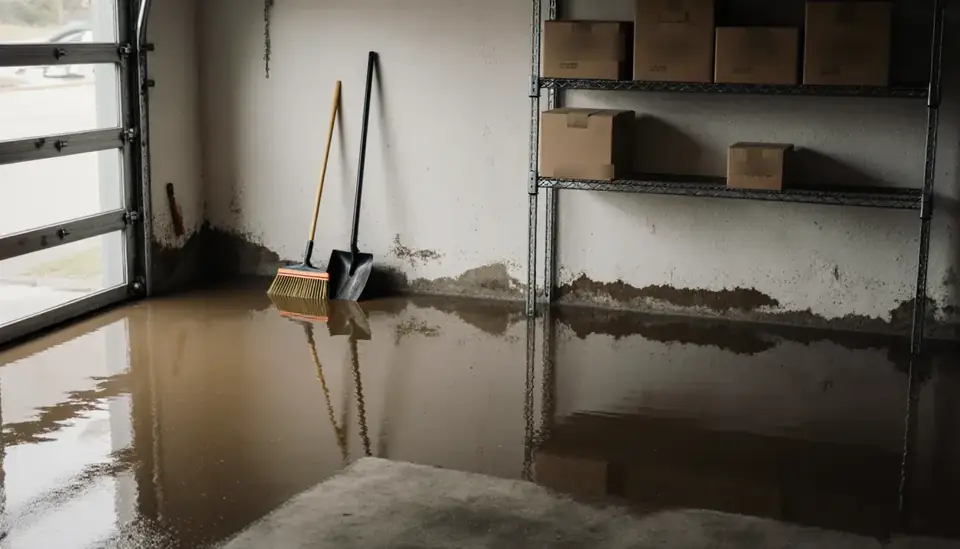
For homes on this kind of ground, the most common problems are standing water under the floor, wet insulation hanging from the joists, and garages or outbuildings that take on runoff. If outside water does get into living space, treat it as contaminated: flood cleanup involves removing soaked carpet, pad and lower drywall, then cleaning and disinfecting before the drying phase starts.
Five Old Communities, One City
Warrenton absorbed several once-separate places: Flavel, Fort Stevens, Hammond, Lexington and Skipanon. Hammond, a former lumber town at the northwest tip near Fort Stevens, was its own city until residents voted to disincorporate in November 1991 and merged that December. The population has grown steadily, from 4,989 in 2010 to 6,277 in 2020, so the housing mix runs from older homes in the original townsites to newer subdivisions and commercial buildings along the highway.
That mix matters when something goes wrong. Older homes may have galvanized or patched plumbing and minimal crawl space ventilation. Newer construction is tighter, so a leaking supply line behind a dishwasher or a failed water heater can raise indoor humidity quickly. In both, extraction followed by monitored structural drying is what keeps a contained leak from turning into a subfloor replacement.
Wind, Rain and the 2007 Gale
Warrenton shares the north coast's winter weather. Across the bay, Astoria averages around 67 inches of rain a year with humidity above 80 percent in every month. During the Great Coastal Gale of December 2 and 3, 2007, gusts topped 100 mph at Astoria, highways to the valley were closed by flooding, downed trees and slides, and Clatsop County was included in the federal disaster aid approved that month. The Clatsop County Emergency Management office itself is in Warrenton, on Rilea Pacific Road.
The wind is what turns a rainstorm into a water damage claim here. It pushes rain sideways under siding laps and window trim, lifts shingles, and drops branches onto roofs. After a storm, check ceilings and exterior walls on the side that faced the wind, not just the roof.
Keeping Damp Crawl Spaces From Turning Moldy
On low ground near the water table, a crawl space can be wet even when no pipe is leaking. Signs to watch for include a musty smell inside, cupping hardwood floors, condensation on ductwork, and insulation sagging out of the joists. Any of those suggests moisture has been sitting long enough for mold to start on wood framing.
- Have standing water pumped out and find where it is coming from: groundwater, downspouts, or plumbing.
- Replace torn or missing vapor barrier on the soil.
- Remove insulation that has gotten soaked; it rarely dries well in place.
- Ask the provider to take moisture readings on the framing before and after drying.

Insurance Questions on Low Ground
A pipe that bursts inside the house is typically handled under a homeowners policy, but water that rises from outside is flood damage and usually needs a separate flood policy. Because so much of Warrenton is low, look up your address on the FEMA Flood Map Service Center to see how the property is mapped, and ask your agent how any waiting period on a new policy works. Document everything with photos before cleanup begins, and keep damaged materials or samples until the adjuster says you can discard them.
Warrenton Neighborhoods and Surrounding Towns
Calls come in from across Warrenton, including:
- Hammond
- Flavel
- Fort Stevens
- Lexington
- Skipanon
The same line also serves nearby communities such as:
Frequently Asked Questions
Why does my Warrenton crawl space flood every winter even though nothing is leaking?
Much of the city sits only a few feet above sea level on former tidal flats, so the water table can rise close to the surface during long rainy stretches. Poorly directed downspouts and flat lots add to it. A restoration provider can pump out the water and dry the framing, but the long-term fix is usually drainage work: regrading, extending downspouts, or a sump system installed by a qualified contractor.
Is water from the Skipanon or a flooded ditch treated differently from a pipe leak?
Yes. Outside water carries soil, bacteria and whatever it picked up along the way, so it is treated as contaminated. Porous materials it touched, like carpet pad and the bottom of drywall, are generally removed rather than dried. A burst supply line inside the house, caught early, usually leaves materials that can be dried where they are. Insurance coverage also differs between the two.
Does The Restoration Job send its own crew to Warrenton?
We connect you with an independent restoration company that serves Warrenton and nearby areas. We don't do the work ourselves. The provider schedules an inspection, explains what needs to be removed and dried, and gives you its pricing and agreement. It's reasonable to ask how it will document moisture levels for your insurance claim.