
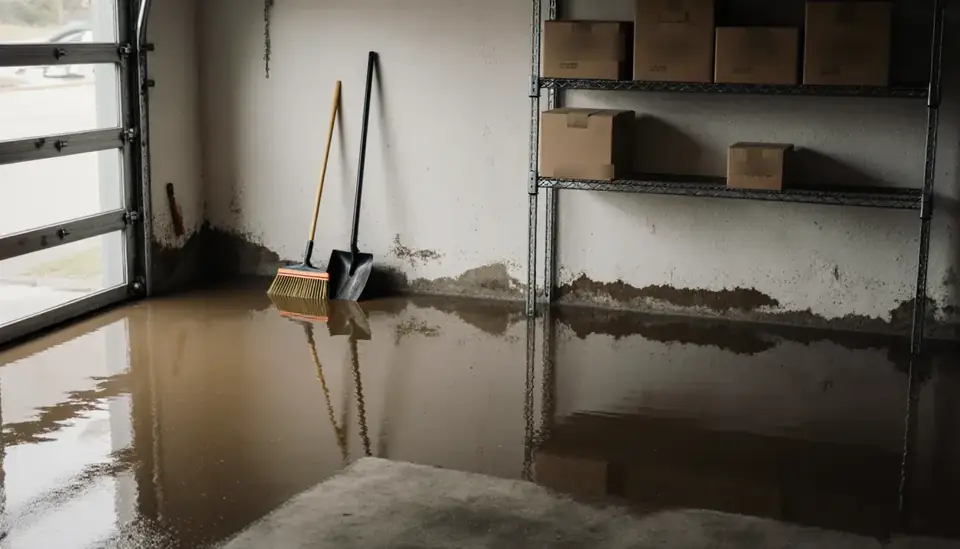
About seven miles inland from the ocean, Toledo sits on the Yaquina River where U.S. 20 heads east toward the Coast Range and the Willamette Valley. It served as the Lincoln County seat from 1893 until 1953, and its economy grew around a World War I spruce sawmill and later the pulp mill Georgia-Pacific built up in the 1950s. Being off the beach does not mean being out of the weather. Toledo averages close to 75 inches of precipitation a year, and January alone averages nearly 11 inches.
The Restoration Job is a free phone service that connects people with independent restoration firms. Call (888) 317-9980 any time and we'll connect you with a provider that works in Toledo and the Yaquina valley. The provider assesses the damage and does the drying and repair work directly with you.
How the call works: when you call (888) 317-9980, The Restoration Job connects you with an independent restoration provider that serves Toledo. That provider inspects the damage, explains the scope and quotes the work. The Restoration Job doesn't perform restoration itself. Read our referral disclosure.
A River Town at the Head of Yaquina Bay
The Yaquina River runs about 59 miles from the hills west of Corvallis to Yaquina Bay at Newport, and Toledo sits along its lower reach, a stretch that also includes Olalla and Depot sloughs. The city's official elevation is 174 feet, but that figure hides a big range: some property sits up on the hillsides, while the riverfront and slough edges are close to water level.
That split shapes the kind of water problems people see. Low lots near the river and sloughs are the ones to watch when long winter storms keep rain coming for days. Uphill homes are more likely to deal with runoff from the slope above, water against foundations and seepage into crawl spaces. Checking your address on the FEMA flood map tells you whether your lot is in a mapped flood zone.
January Rain and Crawl Spaces That Never Dry
With roughly 75 inches of yearly precipitation, and only about an inch in a typical July, Toledo's homes spend half the year wet and the other half trying to dry out. Crawl spaces take the brunt. When the ground stays saturated, water can pool under the house, soak the vapor barrier and raise humidity in the floor joists and insulation above.
- Look under the house after the first big storms of the season, not just in spring.
- Watch for sagging insulation, a musty smell in floor registers, or cupping in wood floors.
- Make sure gutters and downspouts carry water well away from the foundation.
- Standing water under a home should be pumped out and the space dried with equipment, not left to evaporate.

Wind, Power Outages and Storm Leaks Inland
Being a few miles from the beach softens the wind a little, but storms that hit the Lincoln County coast still reach the valley. The December 2007 Great Coastal Gale sent gusts over 100 mph to several coastal points and cut phone service along the coast for days. Falling trees and branches are a bigger concern in a forested river valley, and a limb through a roof lets rain in quickly.
A water damage repair job after a storm usually starts with a tarp and a moisture survey to find how far water traveled into walls and ceilings. If outside water came in from the river or a slough, the work becomes flood cleanup, with contaminated porous materials removed rather than dried.
Mold in Long-Occupied Toledo Homes
Unlike the beach towns nearby, where many homes are seasonal, Toledo's housing is mostly lived in year-round; the 2020 census found only about 8 percent of its roughly 1,500 units vacant. That means problems are often spotted sooner, but it also means people live with slow leaks and damp rooms for a long time. Bathrooms without exhaust fans, laundry areas and the floors above wet crawl spaces are common places for mold to start in this climate.
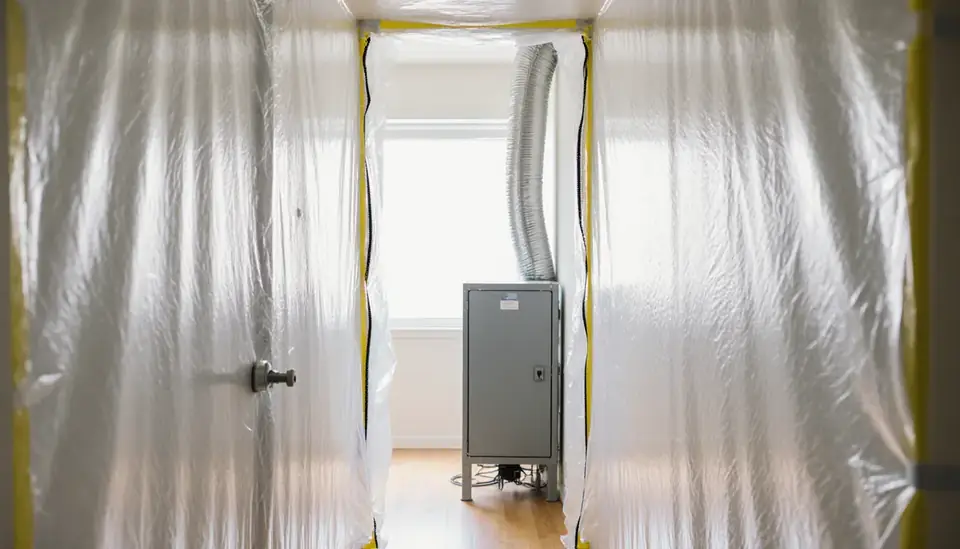
Small spots on hard surfaces can often be cleaned, but recurring growth points to a moisture source that has to be fixed. Larger areas call for mold remediation, which includes containment, removal of affected materials and drying the structure.
What to Expect From the Drying and Repair Process
Water damage restoration in Toledo follows a familiar order. The source is stopped first, whether that is a broken pipe, a roof opening or rising water. Standing water is extracted. The crew then measures moisture throughout the affected area, removes what cannot be saved, and sets up dehumidifiers and air movers that run for several days. Rebuilding starts only after readings show the structure is dry.
Ask for copies of moisture logs and photos as the job moves along. Insurers commonly want them, and they show whether framing and subfloor were truly dry before walls were closed back up.
Areas In and Around Toledo
The same line also serves nearby communities such as:
Frequently Asked Questions
Toledo is inland. Do I really need to worry about flood insurance?
The answer turns on your lot. Lots near the Yaquina River and its sloughs are closer to water level than hillside homes, and standard homeowners policies generally exclude flood. Look up the property on the FEMA Flood Map Service Center and ask your agent whether flood coverage makes sense for your location.
There is water in my crawl space every winter. Is that normal?
Some dampness is common in a climate this wet, but standing water is not something to ignore. It raises humidity in the floor system, wets insulation and can lead to mold and wood decay. A provider can pump and dry the space, and point to drainage, gutter or vapor barrier fixes that keep it from coming back.
How fast should I call after a pipe breaks?
Right after you close the valve. Clean water from a supply line becomes harder to dry the longer it sits, and in Toledo's damp winters, materials will not dry on their own. Our 24/7 line at (888) 317-9980 connects you with an independent provider serving the area.