

Yaquina Bay splits Newport in two, with the Bayfront, Nye Beach and the City Center on the north side and South Beach across the Yaquina Bay Bridge. The county seat since 1953 and home to the largest fishing fleet on the Oregon coast, the city mixes working waterfront buildings, older beach cottages and newer homes on the hills. Rain is the constant here: the long-term average is about 71 inches a year, most of it falling in winter, and in December 1964 roughly 21 inches fell on the city, a local record.
The Restoration Job connects callers with independent restoration companies and does not do the work itself. Call (888) 317-9980 and we'll link you with a provider that serves Newport, whether the issue is a storm leak in Agate Beach, a backed-up drain near the Bayfront or a wet crawl space in South Beach.
How the call works: when you call (888) 317-9980, The Restoration Job connects you with an independent restoration provider that serves Newport. That provider inspects the damage, explains the scope and quotes the work. The Restoration Job doesn't perform restoration itself. Read our referral disclosure.
Storm Records From the Columbus Day Wind to the 1964 Deluge
Newport's weather history includes some of the most extreme readings on this coast. During the Columbus Day storm of 1962, wind gusts at Newport reached 138 mph. Two years later, in December 1964, about 21 inches of rain fell on the city. Between July 1968 and June 1969, the area recorded more than 102 inches of precipitation in twelve months.
Those events are outliers, but ordinary winters still bring a parade of storms. The damage they leave inside homes is usually roof and window leaks, saturated attic insulation, and water working down through wall cavities. A storm damage cleanup provider will typically secure the roof or opening first and then find out how far the water traveled before any drying begins.
Bayfront, Nye Beach and South Beach: Different Settings, Different Risks
- Bayfront: Businesses here line the working harbor of Yaquina Bay, home port for the coast's largest fishing fleet. Low-lying buildings near the water face tidal and storm-surge exposure, and commercial kitchens add drains and grease lines that can back up.
- Nye Beach: This beach district fronts the ocean, where wind-exposed walls and aging plumbing in older buildings are frequent sources of leaks.
- Agate Beach: Near Yaquina Head, homes face open ocean and catch the full force of winter wind and rain.
- South Beach: Across the bridge on the south shore of the bay, lower ground means drainage and groundwater deserve attention during long wet spells.
Floods, Landslides and Water Emergencies on the City's Radar
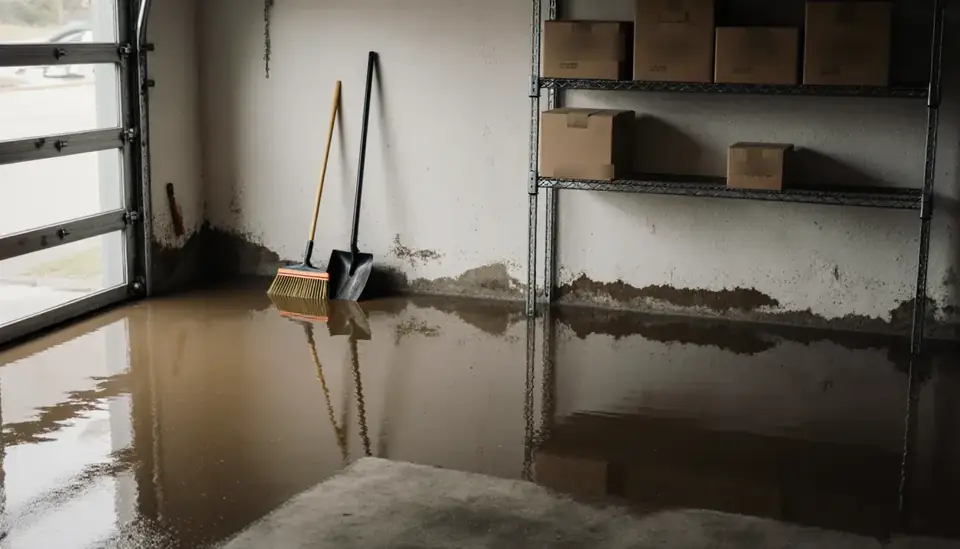
The City of Newport's preparedness pages group local threats into floods, winter storms with power outages and road closures, water system emergencies such as boil-water notices, and county-identified hazards that include landslides. Ground movement is part of the coastal story here; Jumpoff Joe, once a rock pillar at Nye Beach, is now gone. For homeowners, slope movement and heavy rain can mean cracked foundations, broken pipes and water entering where it never did before.
Outside water that enters a home during a flood is a different job from a burst pipe. Flood cleanup treats the water as contaminated, so porous materials it touched are generally removed, and surfaces are cleaned before drying. A homeowners policy usually excludes that kind of flood, which is covered by separate flood insurance.
Keeping Mold Out of a Wet, Mild Climate
Newport rarely freezes and averages only about an inch and a half of snow a year, but it stays damp. That steady humidity means wet building materials do not dry naturally, especially in the winter months. Closed-up rentals, crawl spaces and bathrooms without good ventilation are where mold tends to appear first.
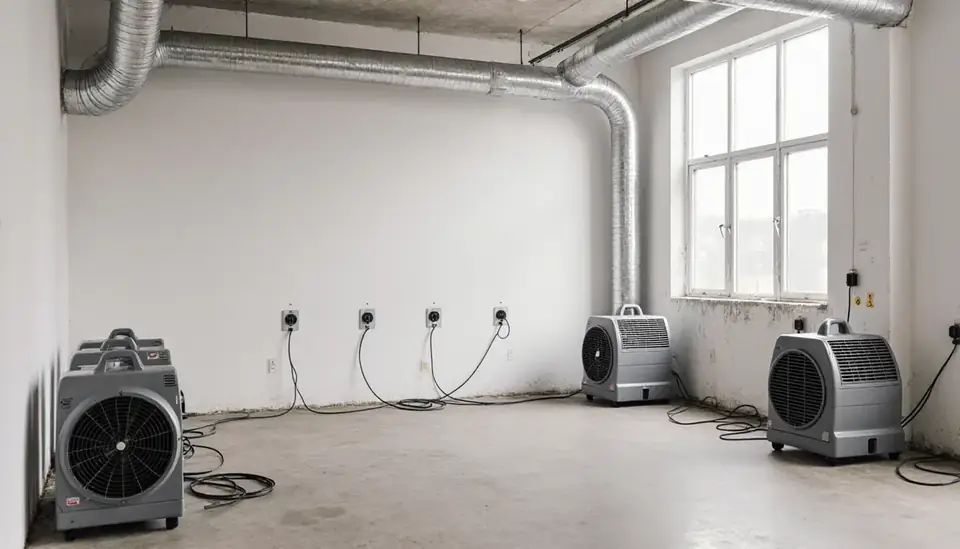
Restoration crews commonly run commercial dehumidifiers and air movers and check moisture daily until readings return to normal. When growth is already present, mold remediation means isolating the area, removing affected drywall or insulation and cleaning the structure underneath.
First Steps for Newport Homeowners and Businesses
Water damage restoration goes faster when the first hour is handled well. Shut off the water source or the main valve, and cut power to wet areas if you can do so safely. Photograph everything before moving it. Then call your insurer and a provider.
Restaurants and seafood businesses on the Bayfront should also think about food safety and health requirements once water reaches prep areas, and should document any lost stock. Signing up for the city's emergency alerts is a good way to hear early about storms, outages and water system notices.
Areas In and Around Newport
Calls come in from across Newport, including:
- Bayfront
- Nye Beach
- City Center
- Agate Beach
- South Beach
The same line also serves nearby communities such as:
Questions From Newport Property Owners
Does a boil-water notice in Newport affect cleanup of a water leak?
It can. During a boil-water notice, avoid using tap water for cleaning surfaces that will touch food, and follow the city's instructions. It does not usually change how a provider dries a home, but it is worth mentioning when you call so the crew can plan around it.
Is South Beach more likely to flood than the north side of the bay?
Exposure depends on the exact lot, not the neighborhood name. Lower, flatter ground near the bay and harbor can hold water during long storms, while bluff-top homes face more wind. Look up your address on the FEMA Flood Map Service Center to see the mapped flood zone before deciding on coverage.
My Nye Beach rental had a leak between guests. What should I document?
Note the date of the last stay and the last cleaning, take photos and video of every wet area, and keep damaged items until the adjuster says otherwise. Ask the restoration provider for their moisture readings and drying log. Those records help with both insurance and any rental platform claims.
Can landslide movement cause water damage inside a house?
Yes. Ground movement can crack foundations, shift framing and break water or sewer lines, so leaks may appear suddenly after heavy rain. If you see new cracks, sticking doors or sudden water, shut off the main valve, keep clear of unstable areas and have the structure assessed before drying begins.