
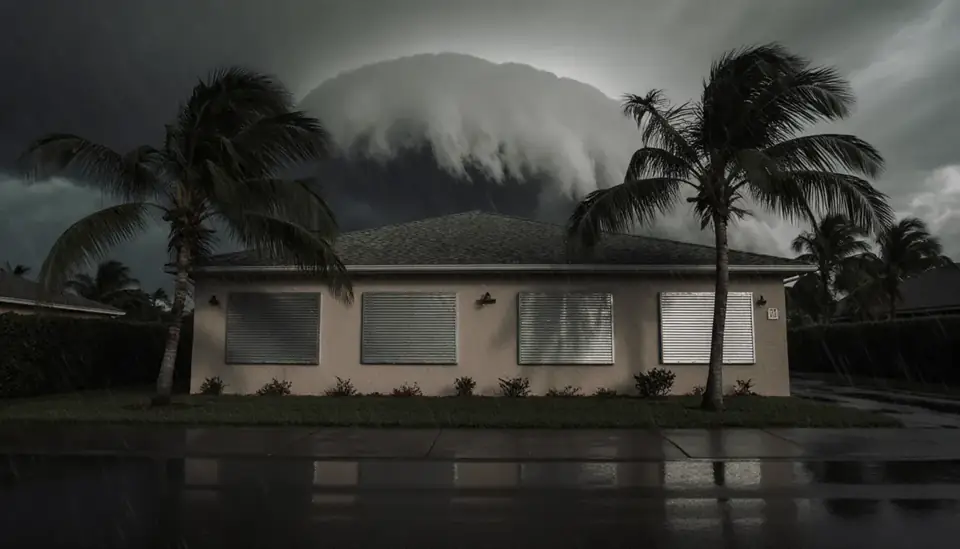
Coos Bay climbs from tideflats at sea level to ridgelines above 500 feet, wrapped around the largest estuary that lies entirely within Oregon. About a third of the city's area is water. The Coos River pours into the bay here, and in winter its flow can run roughly three hundred times higher than in late summer. Rain averages about 66 inches a year, with December and January together accounting for more than 22 inches of it. That combination of steep hillsides, low bayfront and long wet months shapes nearly every water damage call in Coos Bay.
Calling (888) 317-9980 costs nothing. The line is staffed around the clock, and we'll connect you with an independent restoration provider that works in Coos Bay and nearby South Coast communities. The provider handles the assessment, cleanup and repairs and works with you directly.
How the call works: when you call (888) 317-9980, The Restoration Job connects you with an independent restoration provider that serves Coos Bay. That provider inspects the damage, explains the scope and quotes the work. The Restoration Job doesn't perform restoration itself. Read our referral disclosure.
Hillside Runoff and Bayfront Lowlands
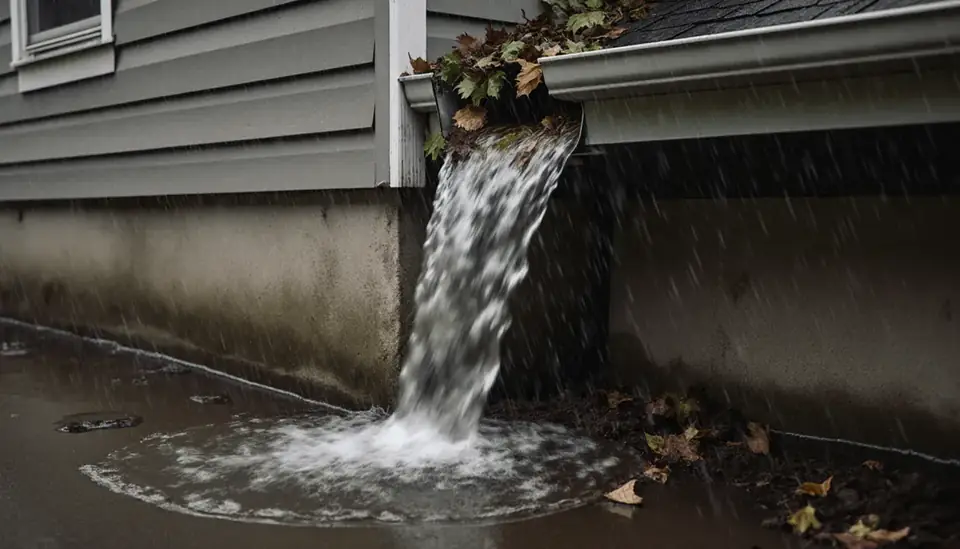
Two different water problems share this city. On the slopes of Milner Crest and the older hills above Marshfield, the old downtown, heavy rain sheets downhill, overloads gutters and driveways, and pushes against retaining walls and foundations on the uphill side of a house. Coos County's hazard mitigation plan lists landslide, flood, windstorm and winter storm among the hazards it plans for, and on a saturated hillside those can arrive together.
Down along the bay, in Empire and on the Eastside, the ground is low and close to tidewater. Much of the original marsh around the estuary was diked for pasture decades ago. When a heavy storm lines up with high tide, drainage slows and water backs up in yards, streets and crawl spaces until the tide drops. Check any property on FEMA's flood maps before assuming it is outside a mapped hazard area.
Winter Storms, Wind-Driven Rain and Older Homes
Houses built before modern building wrap and flashing details are the most exposed when Pacific storms arrive. Winter gales drive rain into siding seams, around older single-pane windows and under roof shingles that a calm rain would never reach. The result is often a slow leak that shows up days later as a stain on a ceiling or a soft spot in a window sill.
After a big blow, walk the exterior: look for lifted shingles, missing flashing, branches on the roof and gutters pulled loose. Tarping a damaged roof quickly prevents a small leak from becoming a ceiling collapse. On a Coos Bay job, a provider offering storm damage cleanup can usually handle temporary protection and the interior drying in one visit.
Sorting Out a Wet House on the Bay
- Stop the source if it is inside the house: close the main water valve or the fixture shutoff.
- Keep people out of rooms where water has reached outlets or the ceiling is sagging.
- Document everything with photos and short videos before cleanup starts.
- Call your insurer early. Homeowners coverage and flood coverage are separate, and rising water from outside is generally only covered by a flood policy.
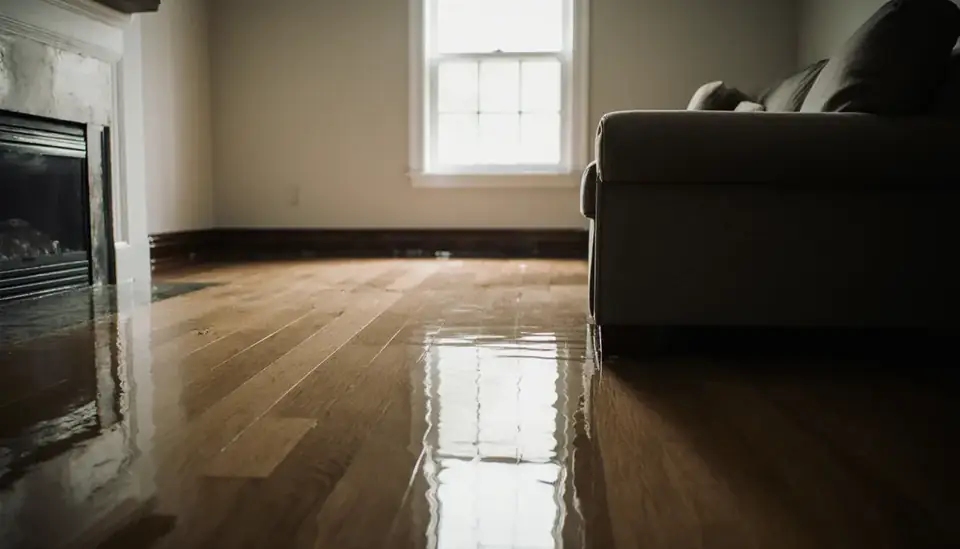
- Have wet carpet, pad and drywall assessed within a day or two. Professional water damage restoration includes measuring moisture inside walls and under floors, not just what you can see.
Damp Coastal Air and Mold
Fog, drizzle and mild temperatures keep indoor humidity high for much of the year on the bay. Wet framing and drywall dry slowly in that air, and closets, bathrooms and crawl spaces in older homes are already prone to musty smells. Once a leak has soaked materials for more than a couple of days, mold growth becomes likely. Professional mold cleanup in Coos Bay starts by finding and drying the moisture source; removing visible growth without that step tends to bring it back.
Serving the Bay Area and Beyond
Providers reached through our line commonly cover Coos Bay together with North Bend, the fishing port of Charleston near South Slough, and inland towns along the Coquille River. Residents of North Bend face many of the same estuary and storm conditions on the peninsula next door. Coos County Emergency Management offers an emergency alert sign-up and tsunami evacuation maps that every bayfront household should have on hand.
Areas In and Around Coos Bay
Calls come in from across Coos Bay, including:
- Marshfield
- Empire
- Eastside
- Milner Crest
The same line also serves nearby communities such as:
- North Bend
- Charleston
- Coquille
- Lakeside
- Myrtle Point
- Bandon
Coos Bay Water Damage Questions
Why does my Coos Bay basement or crawl space only flood during certain storms?
Near the bay, drainage depends partly on the tide. A heavy rain at low tide may drain away, while the same rain during a high tide can back up storm lines and leave water standing until the tide turns. On hillsides, it is usually runoff from uphill. Either way, a provider can extract the water and dry the framing; a drainage contractor addresses the cause.
Is mold common after leaks here?
Wet materials dry slowly in the coast's humid air, so mold is a realistic risk if a leak sits for more than a day or two. Older homes with limited ventilation in bathrooms and crawl spaces are more prone to it. The priority is drying the structure fully and confirming it with moisture readings. Small surface spots can be cleaned; larger growth calls for containment and removal.
Does insurance pay for storm damage in Coos Bay?
Damage from wind, such as a roof torn open and the rain that follows, is often covered by homeowners policies, subject to your deductible and terms. Water that rises from outside, including bay or river flooding, is generally excluded and needs a separate flood policy. Read your declarations page, photograph the damage, and notify your insurer promptly.
How do I reach a restoration company at night?
Our phone line at (888) 317-9980 is answered 24 hours a day. We'll connect you with an independent provider serving Coos Bay; many offer emergency service for active leaks and flooding, though timing depends on the company and the conditions. While you wait, shut off the water, move valuables to dry ground and stay clear of wet electrical areas.