

The Coos County seat sits on the banks of a slow, tidal river at an elevation of roughly 62 feet. Downstream lies Bandon and the river mouth; upstream, the North and South Forks meet at Myrtle Point, and tides push water back up the channel nearly that far. Around the town spread broad, flat alluvial bottomlands built by the river, and in most winters some of that land goes underwater.
For help with water in your home or business, call (888) 317-9980. The call is free, the line runs 24/7, and we'll connect you with an independent restoration provider that serves Coquille and the Coquille Valley. The provider inspects the damage and works out the cleanup and repairs with you directly.
How the call works: when you call (888) 317-9980, The Restoration Job connects you with an independent restoration provider that serves Coquille. That provider inspects the damage, explains the scope and quotes the work. The Restoration Job doesn't perform restoration itself. Read our referral disclosure.
Reading the Coquille River Gauge
The National Weather Service tracks the river at a gauge in town, and its published impact levels are a useful guide for anyone living on low ground nearby:
- 21 feet (flood stage): farmland and low-lying areas across the floodplain go under.
- 23 feet: some farm buildings are threatened and roads in low areas are covered.
- 24 feet: homes and roads in low-lying areas near the river are threatened.
- 25 feet and higher: some homes flood.
The records, 27.5 feet, were set in December 1955 and again on December 23, 1964. More recently, the river crested at a preliminary 24.84 feet on March 17, 2025, during a mid-March storm sequence that later received a federal disaster declaration for flooding and landslides in Oregon. That crest sat right at the level where homes start to be threatened.
Valley Bottomland and Slow-Draining Water
Because the lower river is tidal, floodwater here does not rush off the way it does on a steep mountain stream. It rises, spreads across pasture, and can linger through several tide cycles. For a house on the valley floor, that means more hours of contact with walls, floors and crawl space framing, and more silt left behind when the water finally recedes. Roads may close before homes flood, so a family can be cut off even if the house stays dry.
Higher parts of town escape river water, but they still see the effects of a wet season that brings about 55 inches of precipitation, with December and January the heaviest months. Gutters overflow, hillside runoff finds basement walls, and crawl spaces collect water that has no easy path out.
Mud, Silt and Cleanup on the Valley Floor
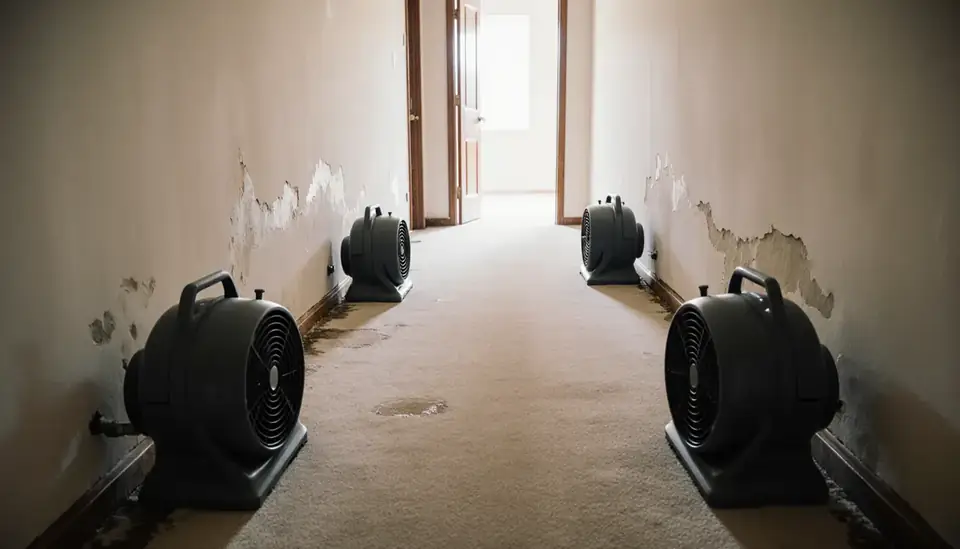
Floodwater from a farm valley carries mud, fuel, animal waste and whatever else it picked up on the way. Treat everything it touched as contaminated. Wear boots and gloves, keep the power off to flooded circuits until an electrician checks them, and photograph damage before you haul anything to the curb. Porous materials such as carpet, pad, insulation and the lower portion of drywall usually have to be removed. A provider handling flood cleanup will muck out silt, clean and disinfect framing, then set up drying equipment. In crawl space homes, wet insulation and a fouled vapor barrier under the floor are just as important to replace as anything upstairs.
Mold in a River Town
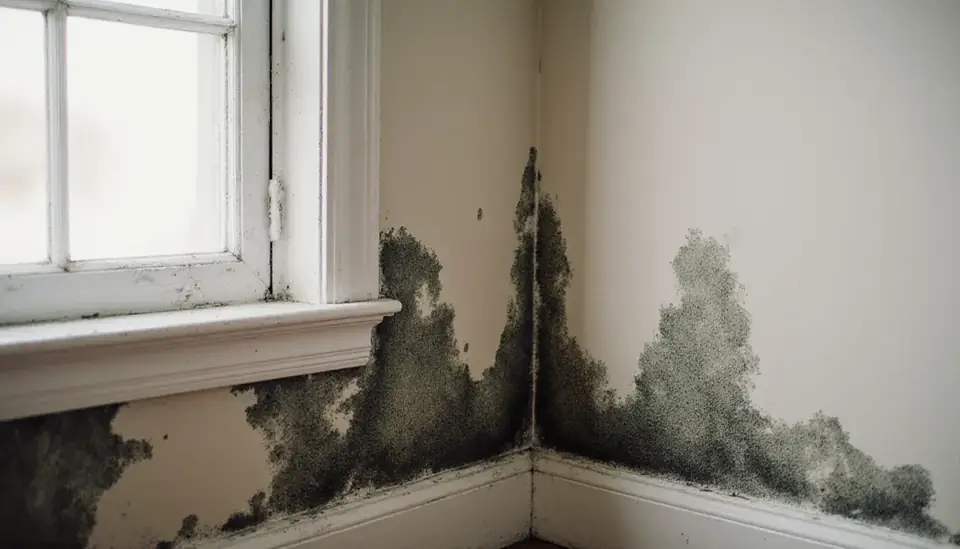
After a flood, mold can start growing on wet wood and drywall within a few days, and the valley's damp winters do little to help things dry naturally. Musty smells weeks after a cleanup usually mean moisture was left in a wall cavity or under a floor. Testing materials with a meter before rebuilding is the simplest safeguard. Where growth is established, mold remediation involves containment, removal of affected materials and drying rather than spraying a cleaner over the surface.
Up and Down the Valley
Providers serving the county seat commonly work the whole river corridor, from Myrtle Point down to Bandon, and over the hill to Coos Bay and North Bend. If you live along the river, keep the county's emergency alert sign-up current, know which roads tend to close first, and look up your parcel on FEMA's flood map. Flood damage to a building is generally not covered by a standard homeowners policy; it takes a separate flood policy.
Areas In and Around Coquille
The same line also serves nearby communities such as:
- Myrtle Point
- Bandon
- Coos Bay
- North Bend
- Powers
Common Questions
At what river level should I start worrying in Coquille?
The National Weather Service lists flood stage at 21 feet on the gauge in town, with homes in low-lying areas threatened at about 24 feet and some homes flooding at 25 feet and above. Watch the forecast on the NWS river page when heavy rain is expected, move valuables up early, and plan your route out before roads close.
How is valley floodwater different from a burst pipe?
Pipe water starts clean. River water that has crossed pasture and roads carries silt, bacteria and chemicals, so anything porous it soaked usually cannot be saved. Cleanup includes removing those materials and disinfecting what remains before drying. That added step is why flood jobs take longer and cost more than clean-water leaks.
My house didn't flood, but the crawl space is full of water. What now?
That is common in a wet winter even on higher ground. Pump or extract the standing water, then dry the framing and replace any soaked insulation or damaged vapor barrier. Check whether gutters, downspouts or grading are sending water under the house. Leaving water in a crawl space invites mold and can damage floor framing over time.
Can you send someone after hours?
We don't send crews ourselves. Call (888) 317-9980 any time, and we'll connect you with an independent restoration provider covering the Coquille area. Many providers offer emergency service, though arrival depends on the company, road conditions and how widespread a flood is.