
Sherwood's official motto, "Home of the Tualatin River National Wildlife Refuge," points straight at its main flood neighbor. The refuge stretches along the Tualatin River floodplain at the edge of the city, and in winter managers deliberately flood parts of it for migrating waterfowl. Up to 50,000 birds can gather there when the wetlands are full, a reminder of how much water this corner of Washington County holds from November to March.
The Restoration Job is a free referral service for property owners with water problems. Call (888) 317-9980 and we will connect you with an independent restoration provider that serves Sherwood and nearby Washington County communities. The provider inspects the damage and handles the job directly with you.
How the call works: when you call (888) 317-9980, The Restoration Job connects you with an independent restoration provider that serves Sherwood. That provider inspects the damage, explains the scope and quotes the work. The Restoration Job doesn't perform restoration itself. Read our referral disclosure.
Living Beside the Refuge and the Tualatin Floodplain
The Tualatin River has the widest floodplain of any Willamette tributary, and the refuge was built around that land. Part of it sits in the Tonquin scablands, a marshy valley left behind when the Ice Age Missoula Floods scoured away the topsoil. Low ground like that stays wet for long stretches after storms.
Most Sherwood neighborhoods are on higher ground than the refuge, but properties at the lower edges of town and along small creeks that drain toward the river can see standing water in yards, crawl spaces and garages during long wet spells. The city's emergency preparedness page lists river floods and flash floods among the hazards residents should plan for. Rising water is typically excluded from homeowners insurance, so a separate flood policy is the only coverage for it.
A Town That Quadrupled in the 1990s
Sherwood had about 3,100 residents in 1990 and nearly 11,800 by 2000. It passed 20,000 by 2020. That means the bulk of its housing is from the last three decades, built around a much older downtown core. In newer subdivisions, water damage usually starts with a fixture or appliance rather than an old pipe:
- Burst or slowly leaking supply lines to toilets, faucets and ice makers.
- Washing machine hoses failing in upstairs laundry rooms.
- Water heaters reaching the end of their service life, often 10 to 15 years in.
- Roof leaks around vents, skylights and valleys after wind-driven winter rain.
For a sudden leak, shut the main valve, photograph the damage and call for help early. Water damage repair goes faster and costs less when extraction and drying start before water wicks into walls and cabinets.
Sandbags, Leaf Pickup and Storm Drains
The City of Sherwood keeps self-serve sandbags at its Public Works yard on SW Willamette Street year-round, with shovels provided. It also runs curbside leaf pickup through November and December, specifically to keep fallen leaves from clogging storm drains and causing street flooding. Raking the grate in front of your home before a big storm helps more than most people expect.
Clean Water Services, the regional sewer and stormwater utility for urban Washington County, lists a 24/7 number, 503-547-8100, for flooding problems in the public system. Sherwood also sends emergency notices through its MyCallNow alert system.
After a Storm: What Restoration Involves
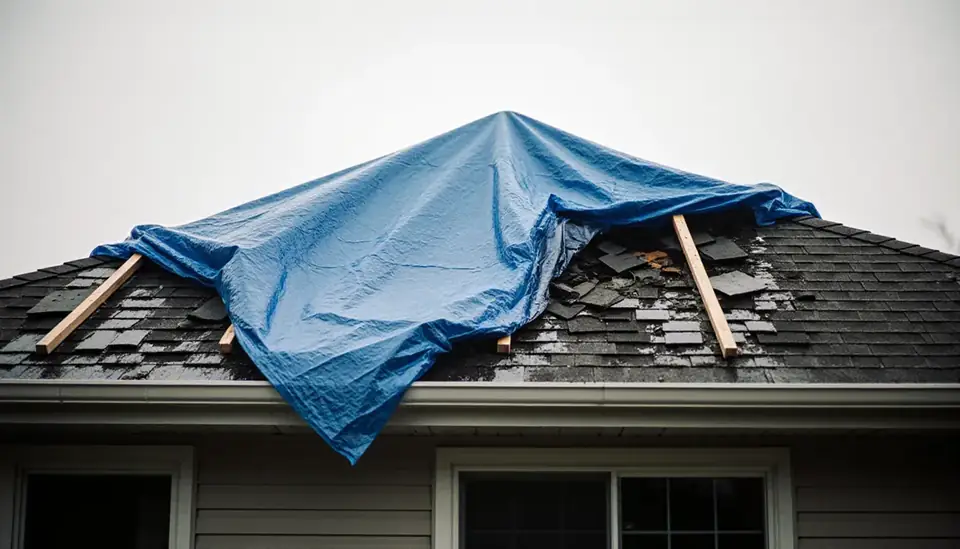
Winter windstorms and long atmospheric-river rains are the events most likely to send water into a Sherwood house from outside, through damaged roofing, broken windows or runoff into a garage. After a storm, a provider will usually:
- Cover openings with tarps or boards to stop more water getting in.
- Remove standing water and wet contents.
- Measure moisture in drywall, framing and subfloors and decide what must be cut out.
- Set up dehumidifiers and air movers and monitor them daily until readings return to normal.
Storm damage cleanup often involves both a restoration company and a roofer or general contractor, so keep records of every invoice and conversation for your insurance claim.

Mold in a Wet-Winter Climate
Cool temperatures and months of cloudy, damp weather mean wet building materials dry very slowly without equipment. Mold can begin growing on soaked drywall, wood and carpet backing in a matter of days. Common spots in newer homes are attics below a roof leak, bathrooms with weak exhaust fans, and the wall behind a leaking refrigerator line.
Small areas can sometimes be cleaned by homeowners, but larger growth should be contained and removed by a professional, and the moisture problem behind it must be fixed. Neighbors in Tualatin share the same river and refuge on the other side.
Areas In and Around Sherwood
Calls come in from across Sherwood, including:
- Downtown Sherwood
The same line also serves nearby communities such as:
Frequently Asked Questions
Where can I get sandbags in Sherwood?
The City of Sherwood keeps self-serve sandbags at its Public Works facility at 15527 SW Willamette Street, available year-round with shovels on site. Fill and place them before water arrives, focusing on garage doors and low entry points. Sandbags redirect shallow runoff; they will not keep out groundwater rising through a slab or crawl space.
Does the wildlife refuge flood homes in Sherwood?
The refuge itself is designed to hold water, and managers flood parts of it each winter for birds. Homes are generally on higher ground, but lots near its edges and near creeks running toward the Tualatin can see high groundwater and pooling during long wet periods. Check your address on FEMA's flood map before buying or renewing insurance.
My house is only 20 years old. Why did a pipe fail?
Newer homes rarely have corroded pipes, but connectors, fittings and appliance hoses wear out on their own schedule. Plastic supply lines, washer hoses and water heater connections are frequent failure points after 10 to 20 years. Replacing them proactively is inexpensive compared with drying out a floor or ceiling after a burst.