
Interstate 5 crosses the Willamette on the Boone Bridge in the middle of Wilsonville, near the spot where Alphonso Boone started a ferry in 1847. The river splits the city in two, with Charbonneau on the south bank and most of town to the north, and four small creeks, Boeckman, Arrowman, Meridian and Basalt, carry about 85 percent of local runoff toward it.
Rather than sending out its own workers, The Restoration Job links Wilsonville callers with independent restoration companies. Call (888) 317-9980, day or night, and we will connect you with a provider that serves Wilsonville and the I-5 corridor. That company handles the inspection, estimate and cleanup directly with you.
How the call works: when you call (888) 317-9980, The Restoration Job connects you with an independent restoration provider that serves Wilsonville. That provider inspects the damage, explains the scope and quotes the work. The Restoration Job doesn't perform restoration itself. Read our referral disclosure.
The Willamette Through the Middle of Town
Wilsonville was flooded in 1964, two years before the community built its first fire station and four years before it incorporated in October 1968. Homes and businesses closest to the banks, and anything on low ground along the creek corridors that feed the Willamette, carry the most risk. The city draws its drinking water from the same river, through a treatment plant that opened in 2002 after local wells began to run dry.
River and creek water entering a building brings mud and contamination with it. Flood cleanup after that kind of event means removing soaked carpet, pad, insulation and lower drywall, cleaning and disinfecting what stays, and only then drying the structure. Flood insurance is a separate policy from homeowners coverage, so confirm what you carry before the rainy season.
December Rain and Creek Runoff
Wilsonville averages about 42.6 inches of precipitation a year, and December is the wettest month at roughly 6.7 inches. Most of that falls between November and March in long runs of gray, steady rain. The city's small creeks respond fast to heavy bursts, and the problems that follow are rarely dramatic: a backyard that ponds against the foundation, a window well that fills, a garage slab that takes on a few inches of runoff.
Short of river flooding, the usual culprits are clogged gutters, downspouts emptying beside the house and storm drains buried under fall leaves. Keeping those clear before the first big storm in autumn prevents a good share of winter calls.
Planned Communities, Newer Homes and Their Leaks
Wilsonville grew from about 2,900 residents in 1980 to more than 26,000 by 2020, largely through planned communities such as Charbonneau, Villebois on the former state hospital grounds, and newer areas like Frog Pond. Much of the housing is relatively new, which shifts the typical causes of damage toward appliances and plumbing fixtures rather than old pipes:
- Washing machine hoses and refrigerator ice-maker lines bursting or slowly dripping.
- Upstairs bathroom and laundry leaks in two-story homes and townhouses, showing up as stains on the ceiling below.
- Water heaters and their pressure relief valves failing in garages and utility closets.
- Condensate lines from heat pumps or furnaces backing up into finished spaces.
In attached homes and townhouses, a leak can cross into a neighbor's unit, so notify the HOA or management early and document where the water started.
Cold Snaps and Summer Heat
Winter cold in the Willamette Valley is usually mild, but occasional freezes still catch outdoor faucets, garage plumbing and pipes in unheated spaces. Disconnect hoses in autumn and insulate exposed lines. Summers have their own surprises: Wilsonville hit 116°F on June 28, 2021, during the Pacific Northwest heat wave, and heavy air-conditioning use can overwhelm condensate drains that rarely see that much water.
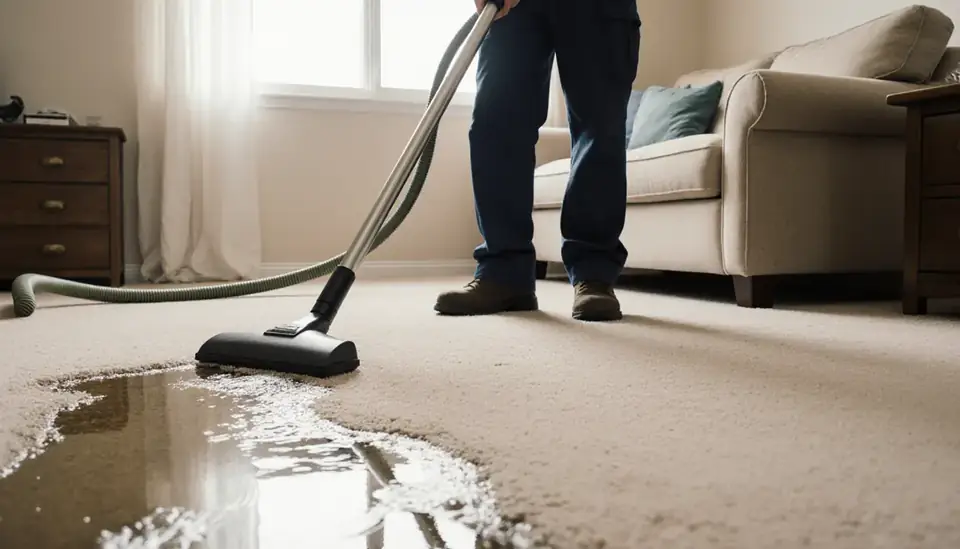
Whatever the cause, a provider will typically start with water extraction, measure moisture in walls and subfloors, then set up dehumidifiers and air movers and check readings daily until materials are dry.
Preventing Mold After a Wilsonville Leak
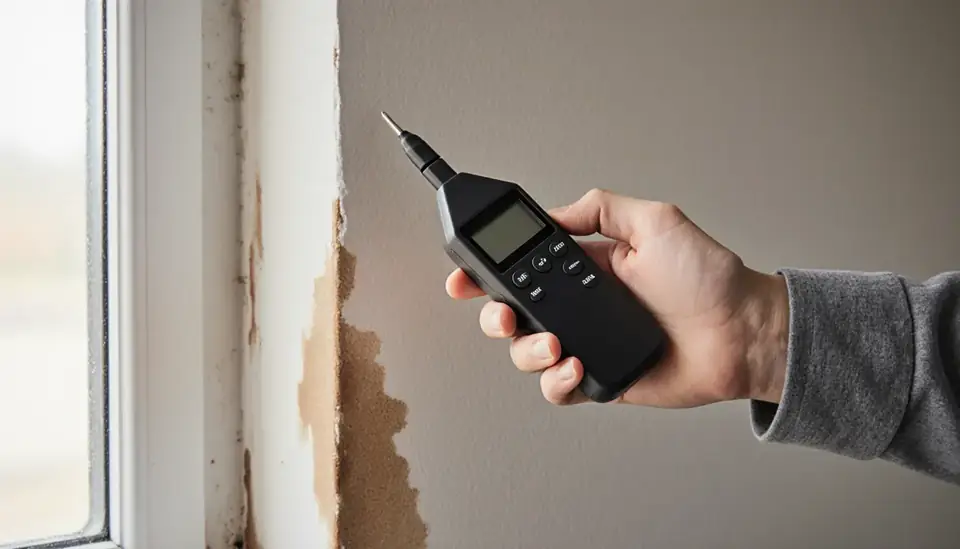
Damp winter air keeps wet materials from drying naturally, so a ceiling stain from an upstairs bathroom can become a mold problem behind the drywall within a few days. Closets on outside walls, the cabinet base under a kitchen sink and the drywall next to a leaking water heater are all common places for growth to start.
Fast drying prevents most of it. If mold has already spread beyond a small spot, the work should include containment, removal of affected materials and cleaning, followed by fixing the moisture source. Neighbors downriver in West Linn see the same pattern each winter.
Where Callers in the Wilsonville Area Are
Calls come in from across Wilsonville, including:
- Charbonneau
- Villebois
- Frog Pond
- Old Town
- Town Center
- Wilsonville Meadows
- Canyon Creek North
- RiverGreen
The same line also serves nearby communities such as:
Common Questions
Is Charbonneau more exposed to flooding than the rest of Wilsonville?
Charbonneau sits on the south side of the Willamette, and exposure there, as elsewhere, depends on how close a home is to the river and how low the lot is. Most properties are not on the riverbank. The reliable way to check is to look up the exact address on FEMA's Flood Map Service Center and ask your insurer about flood coverage.
Water from an upstairs laundry came through my ceiling. Does the ceiling have to be opened?
Often, yes. Water trapped above a ceiling soaks insulation and sits on the drywall, which can sag or grow mold. A provider will usually check moisture with meters and thermal imaging, then cut small openings or remove wet sections to get air moving. Turn off the washer supply valves and photograph the damage first.
What is the first step after a burst pipe in a Wilsonville home?
Close the main water shutoff, usually where the line enters the house or in the garage, and open a faucet on the lowest level to relieve pressure. Turn off electricity to wet areas if you can do it safely. Then call a plumber for the pipe and a restoration provider to start drying before damage spreads.