
Canby was founded in 1857 on a stretch of open ground then called Baker Prairie, and today it is bordered by rivers along several edges. The Willamette runs along the north side, where the historic Canby Ferry carries cars across to Wilsonville. The Molalla curves around the southern and western edges, passing under Knight's Bridge at the west city limit. The 2020 census counted 18,171 residents.
Call (888) 317-9980 at any hour to be connected, free of charge, with an independent restoration company that serves Canby and the surrounding farm country. The Restoration Job only makes the referral. The company you reach does the inspection and the work, and sets terms with you.
How the call works: when you call (888) 317-9980, The Restoration Job connects you with an independent restoration provider that serves Canby. That provider inspects the damage, explains the scope and quotes the work. The Restoration Job doesn't perform restoration itself. Read our referral disclosure.
Molalla, Pudding and Willamette: Three Rivers North of Town
About two miles north of town, the Pudding River empties into the Molalla, and the Molalla almost immediately joins the Willamette. That three-way meeting point sits in a floodplain now protected as the 567-acre Molalla River State Park. The Molalla alone drains about 874 square miles of the Cascade foothills, and the U.S. Geological Survey has tracked its peak flows at a gauge near Canby since 1929.
The town itself mostly sits well above that confluence. Canby's listed elevation is 148 feet, while the Pudding River's mouth is at about 69 feet. That gap means river flooding is mainly a concern for property on the low ground along the rivers rather than for the typical home in town. Owners near the Molalla, the Willamette bank or the ferry road should check FEMA's flood map, because flood cleanup after river water is a much larger job than drying out a pipe leak.
Most Calls Here Start Indoors
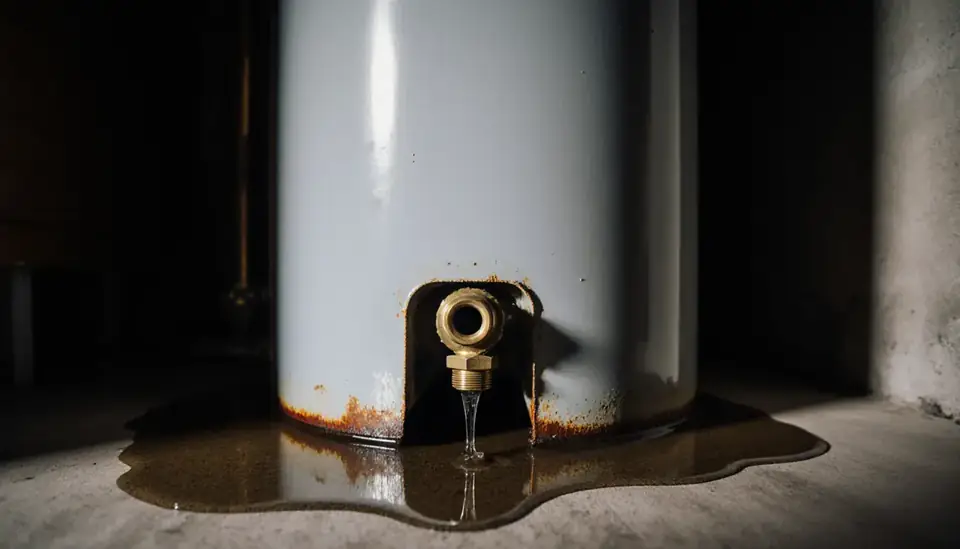
For most of the 6,800 or so homes in the city, the water that causes damage comes from inside. Common culprits are a failed water heater, a split washing machine hose, a leaking dishwasher or refrigerator line, a toilet supply line that lets go, and slow drips under sinks that rot cabinet floors over months. About two-thirds of homes are owner-occupied, which means many of these repairs fall on the household directly.
Small leaks get underestimated. Water travels along subfloors and behind baseboards, and laminate or engineered flooring can hide moisture underneath. Water damage repair follows a set order: stop the source, dry the structure fully with meters confirming it, then replace flooring, drywall and trim.

Winter Storms and Outages in South Clackamas County
Clackamas County lists flooding, winter weather, landslides and power outages among the main hazards its disaster management office plans for. In Canby, the winter weather risk shows up as wind that loosens shingles and drops tree limbs on roofs, heavy rain that overwhelms gutters, and occasional freezes that split pipes in garages, crawl spaces and outside walls.
Outages make every one of those worse, because a cold, closed-up house dries slowly and pipes freeze faster without heat. If the power is out and temperatures are dropping, drain exposed lines or let a faucet drip, and know where your main shutoff is. The county's PublicAlerts sign-up is the simplest way to hear about severe weather ahead of time. When a roof is opened up by wind, storm damage cleanup usually begins with a tarp and continues with drying the attic and ceilings below.
Inside a Typical Canby Drying Job
- A walk-through to confirm the source is stopped and the building is safe to work in.
- Moisture readings across floors, walls and ceilings to map the full wet area.
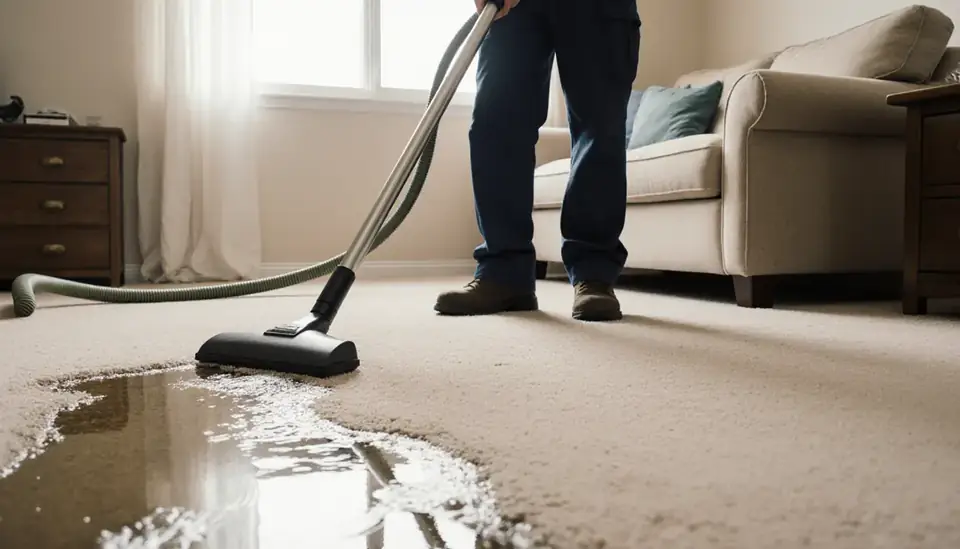
- Extraction of standing water and removal of materials that cannot be saved.
- Placement of dehumidifiers and air movers, with readings checked over the following days.
- Photos and drying logs you can share with your insurance adjuster.
- A repair estimate once the structure is confirmed dry.
Mold Prevention Through a Willamette Valley Winter
From late fall into spring the valley air stays cool and humid, and a house that took on water will not dry on its own with the windows open. Mold can begin on wet drywall and wood within a day or two, often in places nobody looks, like the underside of a subfloor or the back of a cabinet. A musty smell is the most common early warning. Prompt drying prevents most of it; established growth needs containment and removal of affected material.
Canby Neighborhoods and Surrounding Towns
Calls come in from across Canby, including:
- Downtown Canby
The same line also serves nearby communities such as:
- Wilsonville
- Aurora
- Barlow
- Oregon City
- Molalla
Common Questions
Is Canby at risk of river flooding?
The Willamette, Molalla and Pudding rivers all meet just north of town, but most of Canby sits on higher ground than the riverbanks and the confluence. Risk is concentrated on low-lying property near the rivers. Check your address on FEMA's Flood Map Service Center, and remember that standard homeowners insurance does not cover river flooding even outside a mapped zone.
Who do I call about a water main break or a meter problem?
Utility service in town runs through the Canby Utility Board, and the city's Public Works department oversees streets, sewer and stormwater. Report a break in a public line to them. Water damage inside your home, from a broken pipe on your side of the meter, is something a restoration provider and your insurer handle.
How long does it take to dry a house after a pipe leak?
Clean-water jobs often need several days of drying once equipment is in place, and the exact time depends on how long the water ran, what materials it reached, and indoor conditions. In a Willamette Valley winter, outside air will not help much, so dehumidifiers do most of the work. The provider should check moisture readings daily and only finish when materials reach normal levels.