
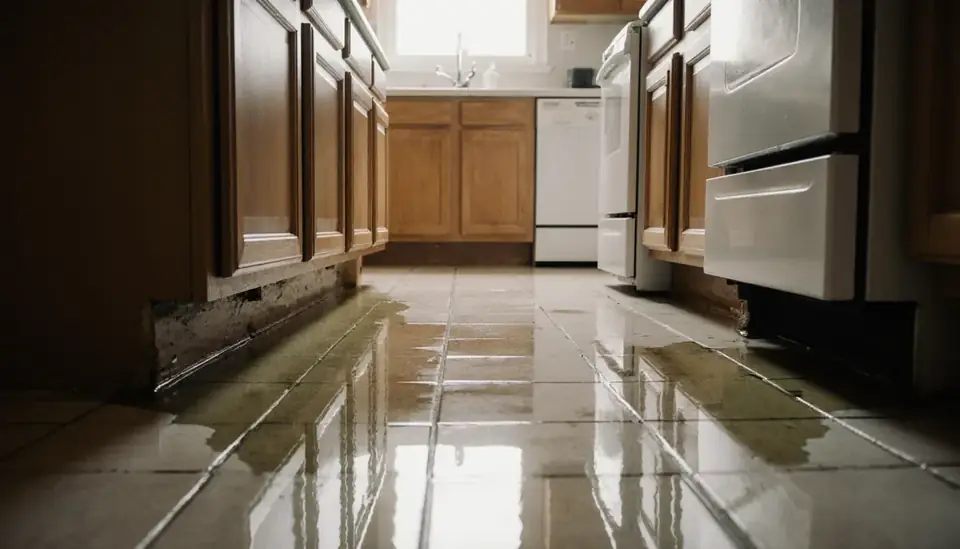
East Multnomah County sits closer to the Cascade foothills than the rest of the metro, and Gresham's weather shows it. The city averages close to 48 inches of precipitation a year, noticeably more than downtown Portland, with November and January each bringing close to 7 inches. Johnson Creek and Fairview Creek wind through town, buttes rise along the south and east edges, and long rainy stretches are the normal winter pattern rather than the exception.
Call (888) 317-9980 and The Restoration Job will connect you with an independent restoration company that serves Gresham and the surrounding east-county communities. We are a free referral service; the provider you speak with inspects the damage, explains the drying plan and handles repairs with you directly.
How the call works: when you call (888) 317-9980, The Restoration Job connects you with an independent restoration provider that serves Gresham. That provider inspects the damage, explains the scope and quotes the work. The Restoration Job doesn't perform restoration itself. Read our referral disclosure.
Where Johnson Creek Starts Causing Trouble
Johnson Creek begins in the foothills east of town and runs west through Gresham before crossing into Portland, and close to a quarter of its watershed lies inside city limits. That matters because water that falls on Gresham's streets, roofs and parking lots ends up in the creek fast. The creek's flood stage downstream is 11 feet; it hit a record 15.33 feet on December 7, 2015, and the 1964 Christmas flood damaged about 1,200 structures along its length.
Properties in the low ground along the creek and its tributaries, and along Fairview Creek on the north side, are the ones most likely to see water in garages, crawl spaces and ground-floor rooms after a multi-day storm. Creek water is not clean water. Silt, oil and bacteria come with it, so a proper flood cleanup includes removing soaked porous materials, cleaning and disinfecting, and only then drying the structure.
Freezes, Burst Lines and the Meter Shutoff
The City of Gresham lists frozen pipes, flooding, fallen trees and power outages as its main winter weather concerns. A hard freeze that comes with a power outage is the worst combination: the house cools down, a pipe in an exterior wall or crawl space splits, and nobody notices until the thaw sends water through the ceiling or across the subfloor.
The city publishes guidance on preparing pipes for winter and a tutorial on shutting off water at the meter, which is worth learning before you need it. If a line does break, close the main valve, turn off power to wet areas, and start pulling water up quickly. Clean supply-line water caught early can usually be dried in place with structural drying; water that has sat for days often cannot.

Rental Units, Crawl Spaces and Split-Level Homes
Close to half of Gresham's homes are renter-occupied, so many calls involve apartments where a leak in one unit reaches the one below, or rental houses where the owner lives elsewhere. Tenants should notify the landlord or property manager in writing right away and photograph the damage; the owner's insurer and the tenant's renters policy cover different things.
Single-family neighborhoods such as Rockwood, Centennial, Powell Valley and North Gresham have a lot of mid-century and later houses built over crawl spaces, while hillside streets around Gresham Butte and Pleasant Valley include split-level and daylight-basement designs that take runoff from above. In either case the hidden spaces matter most: wet insulation under the floor or saturated framing behind a lower-level wall can hold water long after the carpet feels dry.
First 24 Hours After a Gresham Leak or Flood
- Shut off water at the main valve or meter, and switch off breakers for wet rooms if it is safe to reach the panel.
- Clear storm drains in front of the house if street water is backing toward your driveway; the city emphasizes keeping drains open.
- Use the city's seasonal sandbag station, open November through April, if creek or street water is rising.
- Photograph damage before removing anything, then notify your insurer.
- Ask the restoration provider to check the crawl space and wall cavities with a moisture meter, not just the visible floor.
Long Wet Winters and Mold Growth
Gresham's long rainy periods mean outdoor air rarely helps a wet house dry out between November and March. Materials that stay damp for more than a day or two can begin to grow mold, especially in crawl spaces with torn vapor barriers or poor venting. Musty odors in a lower floor are often the first sign.
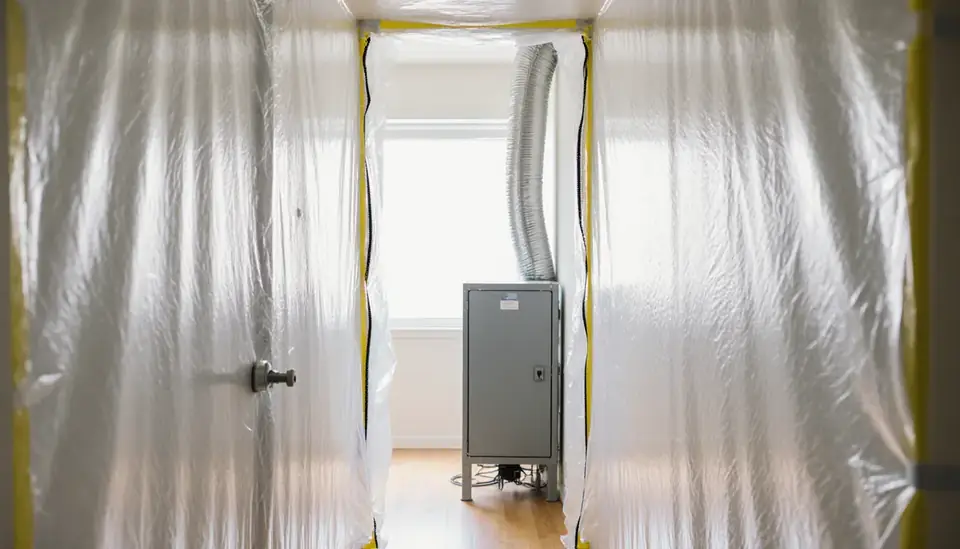
Dehumidification, air movement and removing materials that cannot be dried are the core of prevention. When growth is already visible, mold remediation involves containment, careful removal and fixing whatever moisture source started it. Neighbors in Portland face many of the same creek and basement issues downstream.
Areas In and Around Gresham
Calls come in from across Gresham, including:
- Rockwood
- Centennial
- Gresham Butte
- Historic Southeast
- Pleasant Valley
- Powell Valley
- North Gresham
- Kelly Creek
- Hollybrook
- Wilkes East
The same line also serves nearby communities such as:
Gresham Water Damage Questions
Where can I get sandbags in Gresham?
The city operates a seasonal sandbag station from November through April for residents who need flood protection. Sandbags are most useful for redirecting shallow water away from doorways and garage openings, not for holding back deep creek flooding. Check the city's severe weather page for the current location and also keep the storm drains on your street clear of leaves.
How do I shut off water in a Gresham home if I can't find the main valve?
The city publishes a tutorial on shutting off water at the meter, which is usually in a box near the street. Learning it ahead of time saves precious minutes when a pipe bursts during a freeze. Once water is off, switch off power to wet areas and call for help drying the structure before materials start to swell or grow mold.
Is my home near Johnson Creek in a flood zone?
Some properties along Johnson Creek and its tributaries are in mapped floodplains, but it depends on the exact parcel. FEMA's Flood Map Service Center will show the mapped zone for your parcel. Standard homeowners policies usually exclude overland flooding, so if you are near the creek, ask your agent whether a separate flood policy makes sense, keeping in mind new policies often have a waiting period.