
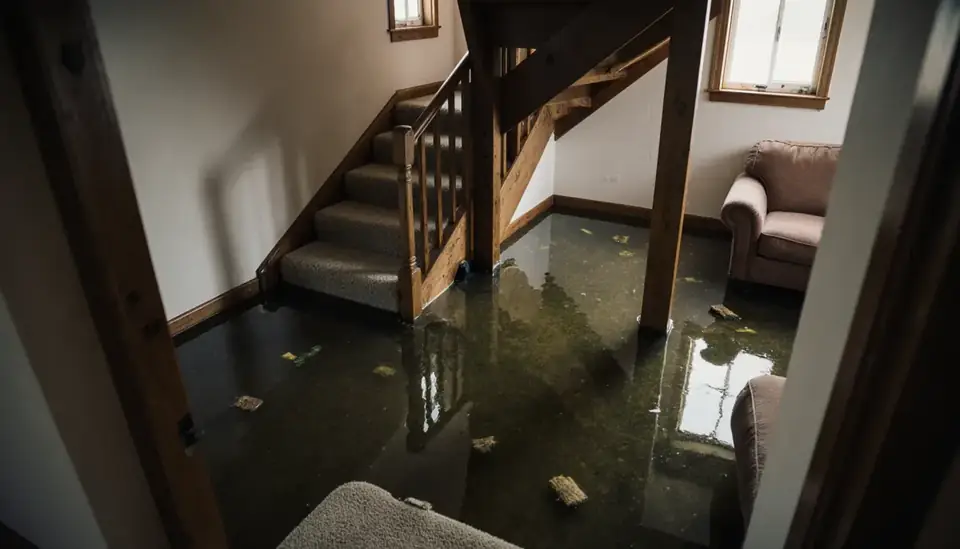
Fairview's official elevation is just 23 feet, far below neighboring Troutdale at 161 feet or Wood Village at 151. The city lies north of Gresham, and its northern side drops into the old Columbia River bottomland, where Fairview Lake marks the start of the Columbia Slough. Water in this part of the county does not simply run downhill to the river. It is stored, pumped and held back by levees, and that system shapes how flooding and groundwater show up in local homes.
For help any time of day, dial (888) 317-9980. The Restoration Job is a no-cost referral service that links callers with an independent restoration provider that serves Fairview and the surrounding east-county cities; that company does the inspection, water removal, drying and repair, and deals with you directly on the details.
How the call works: when you call (888) 317-9980, The Restoration Job connects you with an independent restoration provider that serves Fairview. That provider inspects the damage, explains the scope and quotes the work. The Restoration Job doesn't perform restoration itself. Read our referral disclosure.
Fairview Lake and the Head of the Columbia Slough
Fairview Lake is a managed body of water, not a natural one. Water managers built a dam on the west side of the wetlands here in 1960 to create it for storage and recreation, and the result is a shallow lake of roughly 100 acres, only five or six feet deep. Fairview Creek feeds it, rising in a wetland near Grant Butte in Gresham and flowing about five miles north through both cities before reaching the lake. From there the Columbia Slough heads west toward Portland.
Because the creek collects runoff from a largely developed watershed, it responds quickly to heavy rain. The slough basin also sits on a shallow aquifer that discharges groundwater into the channels. For homes on the low ground, that combination can mean saturated soil under crawl spaces and slab edges during a wet winter, even when no surface water reaches the house.
Living Behind the Columbia River Levees
Landowners along the slough formed drainage districts back in 1917 to keep the Columbia off their land. In July 2024 those historic districts were consolidated into the Urban Flood Safety and Water Quality District, which now maintains 27 miles of levees, 12 pump stations and about 45 miles of sloughs, canals and culverts across Portland, Gresham, Fairview and Troutdale. Roughly 8,000 residents live in the protected area.
The system is a reminder that river flooding here is about levee performance as much as rainfall. The 1948 Vanport flood, when a levee on the lower slough broke and destroyed an entire city, still shapes how the region thinks about that risk. During the February 1996 flood on the Columbia and Willamette, the slough actually ran backward, recording a flow of minus 6,700 cubic feet per second. Levees reduce the odds of a disaster; they do not make flood insurance pointless for property on the low ground.

Leaves, Storm Drains and Water on the Street
The city asks residents to help prevent flooding on Fairview streets by keeping leaves out of the storm water system each fall. A clogged inlet on a flat street can back water up across a driveway and into a garage or under a door in a single heavy storm. Rake leaves away from the grate in front of your house, keep gutters and downspouts running freely, and make sure downspouts discharge away from the foundation.
If water does get in, the source matters. Rain or street runoff that enters a home is treated as contaminated, so wet carpet pad and the bottom of drywall usually have to be removed. Clean water from a broken supply line can often be dried in place if water extraction starts quickly.
From Puddle to Dry Floor: The Usual Sequence
- Source and safety: confirming the water is stopped and power to wet areas is off.
- Moisture mapping: meters and thermal cameras to find how far water spread under floors and inside walls.
- Extraction: removing standing water from carpet, subfloors and crawl spaces.
- Removal of unsalvageable material: pad, insulation and drywall that absorbed contaminated water.
- Drying: dehumidifiers and air movers, with daily readings until materials are back to normal.
- Documentation: photos and moisture logs you can pass to your insurer.
Mold Where the Ground Stays Wet
Low ground, a high water table and a long rainy season make crawl spaces the place to watch. Torn vapor barriers, blocked vents and wet insulation let moisture climb into floor framing, and mold can follow within days of a leak. Musty odors in a hallway or bedroom closet are often the first clue.
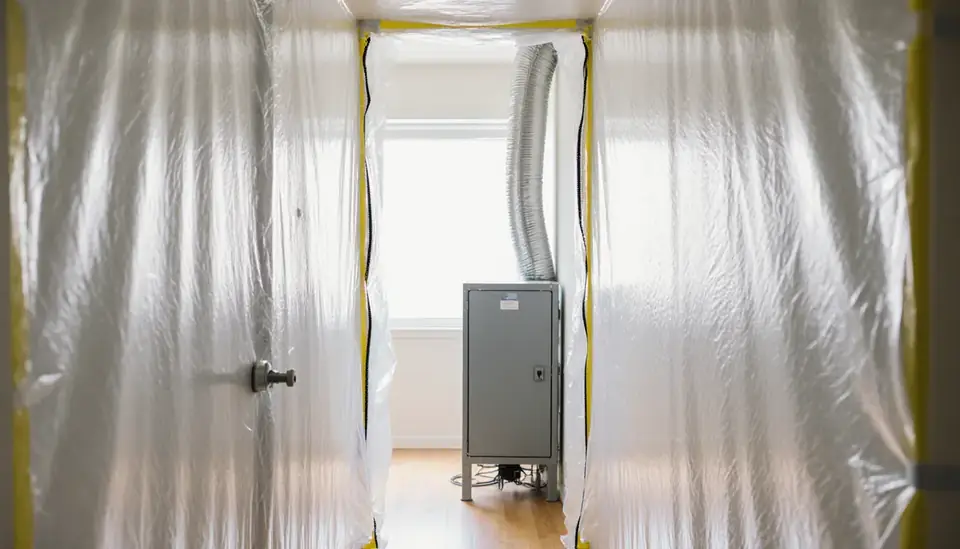
A provider will usually check the crawl space, dry the framing and replace damaged insulation. Where growth is established, mold remediation uses containment so cleanup does not spread spores into the rest of the house. Homeowners just east in Troutdale deal with many of the same levee and winter-wind issues.
Where Callers in the Fairview Area Are
Calls come in from across Fairview, including:
- Fairview Lake
- Salish Ponds
The same line also serves nearby communities such as:
Frequently Asked Questions
Who maintains the levees near Fairview?
The Urban Flood Safety and Water Quality District, formed in July 2024 from four older drainage districts, maintains the levees, pump stations and slough channels north of Fairview and across the Columbia corridor. Questions about levees, pump stations or drainage channels go to the district. Problems with water inside your home are a matter for your insurer and a restoration provider.
Why does my crawl space have water when it hasn't flooded?
Much of north Fairview sits on low ground over a shallow aquifer that feeds groundwater into the slough system. After weeks of rain, the soil can be saturated right up to the surface, and water seeps into crawl spaces from below. Sump pumps, intact vapor barriers and good gutter drainage help. Standing water under a house should be pumped out and the framing dried before mold sets in.
Does homeowners insurance cover water from Fairview Creek or the lake?
Generally no. Standard homeowners policies exclude flooding from surface water, creeks and lakes, while sudden plumbing leaks are usually covered. A separate flood policy through the National Flood Insurance Program covers overland water, and new policies typically have a waiting period. Check your address on FEMA's flood map to see whether you are in a mapped zone.