
Molalla sits at about 361 feet in the Cascade foothills, roughly 15 miles south of Oregon City, with Table Rock rising to the east and the Molalla River running past town on its way to the Willamette. That setting shapes the water problems people here call about. Rain that is light in summer turns steady and heavy in late fall, December is the wettest month on average, and the ground around older farm-era houses and newer subdivisions alike stays saturated for weeks at a stretch.
The Restoration Job is not a contractor and has no crews. It is a free referral line: call (888) 317-9980 and you will be connected with an independent provider that works in Molalla and the surrounding part of Clackamas County. That provider inspects the damage, explains the drying plan and handles the work and billing directly with you.
How the call works: when you call (888) 317-9980, The Restoration Job connects you with an independent restoration provider that serves Molalla. That provider inspects the damage, explains the scope and quotes the work. The Restoration Job doesn't perform restoration itself. Read our referral disclosure.
A Foothill River and a Very Wet December
The Molalla River starts in the Table Rock Wilderness at more than 3,300 feet and runs about 51 miles before the Pudding River joins it near the Willamette. By the time it reaches the U.S. Geological Survey gauge near Canby, it drains some 323 square miles of mostly forested slope. Rain that falls on that country moves downhill fast, and the river and its side creeks can rise quickly during long winter storms.
The contrast between seasons is sharp. Average precipitation in Molalla drops to about six-tenths of an inch in July and climbs to more than six and a half inches in December. Most water damage in town follows that curve: roof and flashing leaks show up with the first big October systems, crawl spaces collect groundwater by midwinter, and gutters clogged with fir needles and leaves push water against siding and foundations.
Sewer Backups and the Lateral Under the Street
One local detail catches homeowners off guard. Under Molalla's municipal code, as the city's Public Works FAQ explains, the private owner is responsible for the sewer lateral all the way from the mainline under the street, not just the part on their own lot. When every drain in the house backs up at once, the city suggests stepping outside to look for a property-line cleanout, a four-inch pipe a few inches above the grass, and calling Public Works at 503-829-6855 for help locating it. If the blockage turns out to be past the property line in the public street, the city says the owner may be eligible for reimbursement.
Inside the house, a backup is category 3 water. Carpet and pad it reached, the bottom of drywall and any insulation it soaked generally come out, and hard surfaces get cleaned and disinfected before drying starts. A provider handling sewage cleanup should photograph everything before removal, since lateral repairs and the cleanup are often paid out of different pockets.

Older Rural Homes, Crawl Spaces and Winter Freezes
Molalla grew up on logging and farming, and homes in and around town range from older houses to newer construction, with rural properties, shops and outbuildings beyond city limits. Exposed supply lines in a vented crawl space or a well-house can split during a hard freeze. The February 2021 winter storm dropped 9.4 inches of snow at Portland's airport and left more than 270,000 people in the region without power, which is exactly the kind of event that lets an unheated crawl space fall below freezing.
- Know where your main shutoff is, whether it sits at the meter or, on rural property, at a well system.
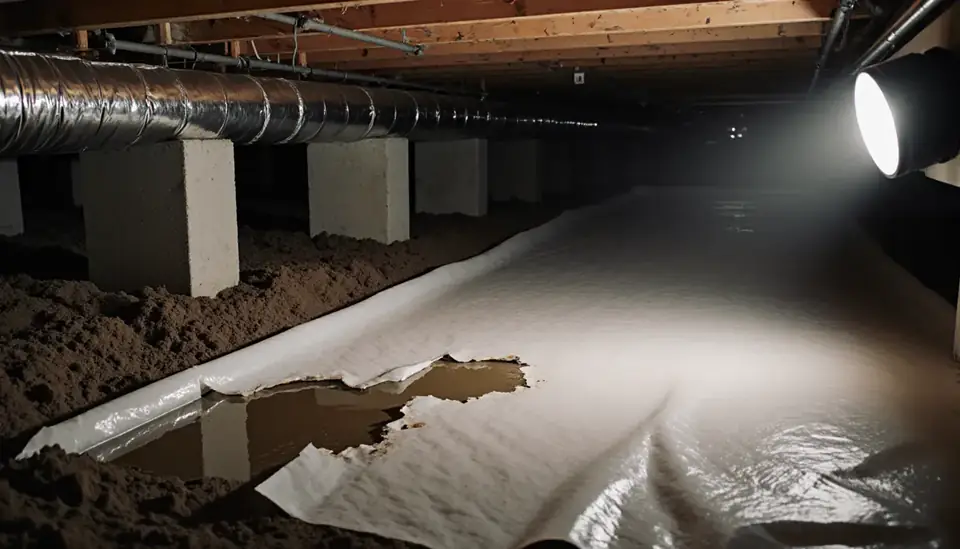
- Check crawl-space vapor barriers after big storms; standing water under the plastic is easy to miss.
- Keep downspouts discharging well away from the foundation, especially on sloped lots.
What Drying Looks Like After a Molalla Leak
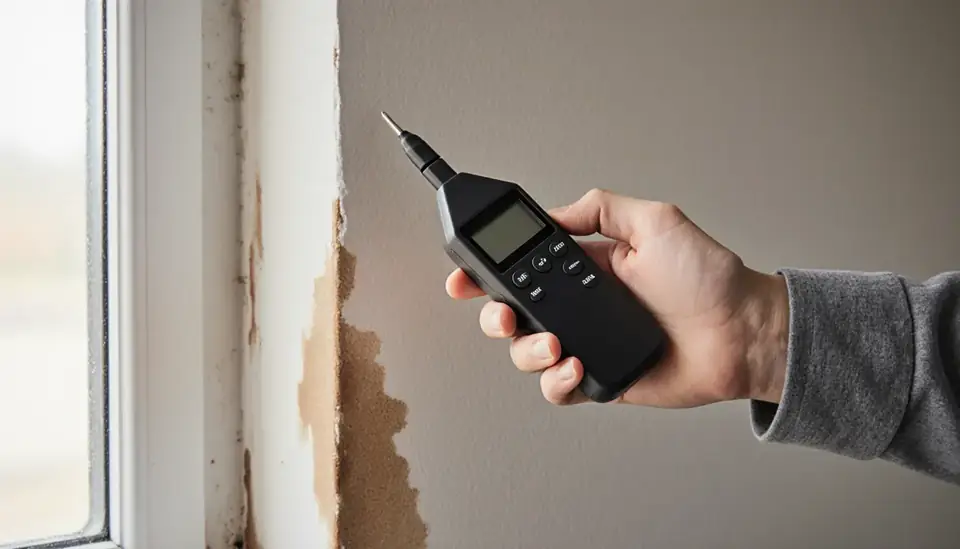
Once a provider is on site, the work usually follows a predictable order. Standing water is extracted, moisture meters map how far it wicked into subfloor, framing and wall cavities, and wet materials that cannot be saved are removed. Then air movers and dehumidifiers run for several days, with readings logged until the materials reach normal levels. In a crawl-space house, the floor system often gets dried from below too.
For deeper losses, structural drying is the step that matters most.
Mold in a Long, Damp Season
Months of rain and cool temperatures give mold time to get established on wet framing, behind baseboards and on the underside of subfloors. Growth often starts within a couple of days if materials stay wet. If you can see or smell mold, a provider offering mold remediation can contain the area, remove affected materials and correct the moisture source so it does not come back after the next storm.
Flood Alerts, Sandbags and Insurance in Clackamas County
Clackamas County Disaster Management runs the PublicAlerts system and works with local fire districts on sandbag distribution sites before forecast floods. The county's flood history includes the 1964 Christmas Flood, which destroyed about 40 homes near Brightwood, and a 2011 event that required nearly $4 million in public infrastructure repairs and damaged dozens of streambank properties. Standard homeowners policies exclude rising water, so flood coverage has to be bought separately through the National Flood Insurance Program or a private carrier. More statewide background is on our Oregon service area page.
Where Callers in the Molalla Area Are
The same line also serves nearby communities such as:
- Canby
- Oregon City
- Colton
- Mulino
- Beavercreek
- Marquam
Molalla Water Damage Questions
Who pays when the sewer backs up into a Molalla home?
Responsibility follows the pipe: Molalla's Public Works FAQ says owners are responsible for the lateral from the mainline under the street, but if the problem is past the property line in the public street, the owner may be eligible for reimbursement. Call Public Works at 503-829-6855 first, and have the cleanup documented with photos so your insurer and the city can each see what happened.
Does the Molalla River flood homes in town?
We could not find a public record tying recent home flooding inside city limits to the river, so check the FEMA flood map for your address rather than assuming either way. The river drains a large forested area of the Cascade foothills and can rise quickly in long storms, and properties near it or its tributary creeks on rural land outside town face more risk than homes on higher ground.
My crawl space has water every winter. Is that water damage?
Some seasonal moisture is common in the Molalla area, but standing water, wet insulation or a damp subfloor is not something to live with. It can rot framing and feed mold. A restoration provider can extract the water and dry the floor system, while drainage fixes such as downspout extensions, grading or a sump usually keep it from returning.
Who can I call about a Molalla leak at night or on a weekend?
The Restoration Job's line at (888) 317-9980 is answered 24/7, and we will connect you with an independent provider that serves Molalla. Plenty of providers take emergency calls at night, but none can be promised in advance. For a city water or sewer emergency, the City of Molalla also lists a Public Works after-hours phone on its website.