

Beaverton takes its name from wet ground. Early settlers described the area as swamps and marshes linked by beaver dams, enough to look like one large lake, and the Atfalati people called their village here Chakeipi, the place of the beaver. Most of that marshland was drained and built over long ago, but the low spots and creek corridors are still where water collects first when winter storms line up over the Tualatin Valley.
The Restoration Job does not do restoration work; it is a free call-connection service. Call (888) 317-9980 and we will put you in touch with an independent restoration company that covers Beaverton. That company does the inspection, extraction, drying and repair planning, and works out the details with you or your insurer.
How the call works: when you call (888) 317-9980, The Restoration Job connects you with an independent restoration provider that serves Beaverton. That provider inspects the damage, explains the scope and quotes the work. The Restoration Job doesn't perform restoration itself. Read our referral disclosure.
Former Marshland and the Fanno Creek Corridor
Fanno Creek begins in the West Hills and flows west and south through Portland, Beaverton, Tigard and Durham before joining the Tualatin River. Its 31.7-square-mile watershed is almost entirely urban. Roofs, roads and parking lots shed rain quickly, so the creek and small tributaries rise faster than they did when the valley was farms and wetlands. The watershed saw significant flooding in 1977, and nearly half of the area's roughly 50 inches of annual precipitation falls from November through January.
Elevations inside city limits range from about 130 feet in the lowest areas to almost 700 feet on the hills, so two homes a mile apart can have very different risks. Low lots near the creeks deal with high groundwater and yard flooding; hillside lots deal with runoff pushing toward foundations. Either way, water that came in from outside counts as contaminated and calls for a proper flood cleanup rather than a quick dry-out.
Sexton Mountain, Highland and Other Hillside Streets
Neighborhoods on the higher ground, including Sexton Mountain and Highland, see a different set of problems. Sloped lots send runoff toward the uphill side of a house, and saturated soil pushes moisture through basement walls and into crawl spaces. Clogged gutters and short downspouts make it worse. Retaining walls without working drains can hold water against the structure all winter.
Inside, the tell-tale signs are efflorescence on concrete, damp carpet along a lower-level wall, and a musty smell in a crawl space. A restoration provider can dry what is wet, but a drainage fix outside is often needed to stop the pattern from repeating.
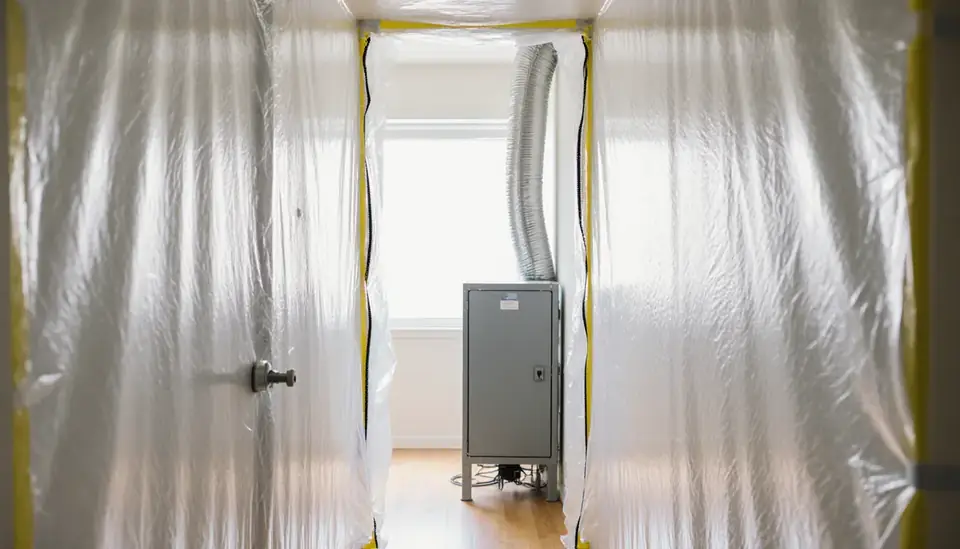
Condos, Apartments and Leaks Between Units
Beaverton grew from about 400 residents in 1893 to roughly 94,000 by 2010, and much of that growth came as apartments, condominiums and townhomes near transit and employment centers. In stacked housing, a failed toilet supply line or water heater on an upper floor can soak ceilings and walls in the unit below within hours.
- Notify the building manager or association immediately so the shared supply can be shut off if needed.
- Photograph damage in every affected unit before cleanup starts.
- Check your association documents and HO-6 or renters policy; responsibility for walls, ceilings and fixtures varies by building.
- Ask that moisture readings be taken in the neighboring units too, since water travels along framing and slabs.
Fast water extraction limits how far the water spreads into the building.
Drying Out When the Air Outside Is Wet
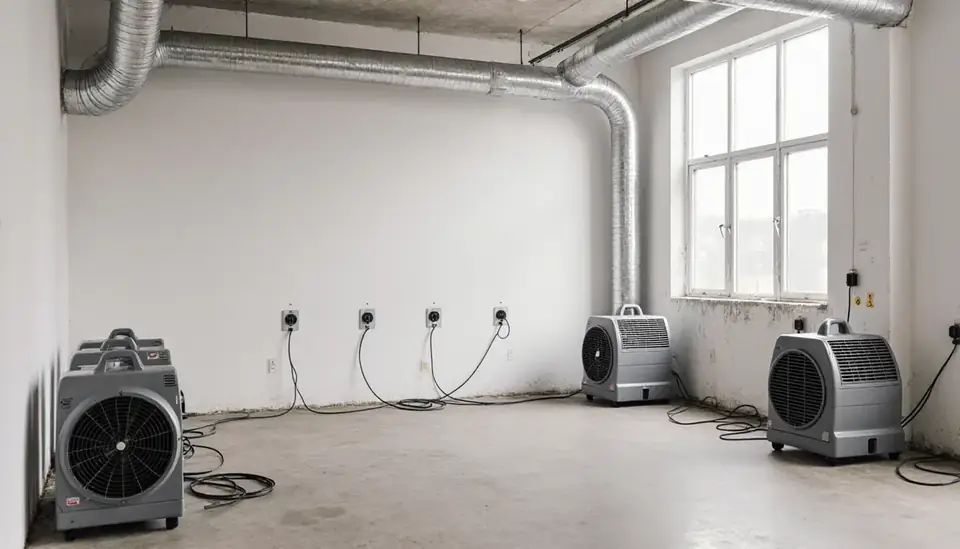
Beaverton averages about 39 inches of precipitation a year and very little snow, under 2 inches. That means a mild but persistently damp winter, and opening windows rarely helps dry a house between November and March. Professional drying relies on dehumidifiers and air movers in a closed space, with daily moisture readings until framing, subfloor and drywall reach normal levels.
Mold is the reason timing matters. Wet materials that sit more than a day or two can start growing it, particularly carpet pad, paper-faced drywall and the underside of subfloors. If you already see spots or smell mustiness, mold remediation should be part of the plan, along with fixing the leak or drainage problem that caused it.
Who to Contact Besides a Restoration Company
Clean Water Services manages sewer and stormwater for urban Washington County, which includes Beaverton, and is the agency to call about public storm drains or sewer mains. For a problem on your own side sewer or plumbing, a plumber comes first. If the water came from outside, look up your flood zone with FEMA and call your insurer early, because overland flooding is generally excluded from standard homeowners coverage. Neighbors to the west in Hillsboro rely on the same utility.
Neighborhoods and Nearby Communities
Calls come in from across Beaverton, including:
- Central Beaverton
- Five Oaks
- Triple Creek
- Greenway
- Highland
- Sexton Mountain
- South Beaverton
- Vose
- Denney Whitford
- West Slope
The same line also serves nearby communities such as:
Questions From Beaverton Property Owners
Is Beaverton's flooding mostly from creeks or from the sewer system?
Both happen, but in different places. Homes on low ground near Fanno Creek and its tributaries are most exposed to creek and groundwater problems in long storms, while hillside homes see runoff and seepage. Backups through floor drains usually point to a blocked private side sewer or a public line problem; Clean Water Services handles the public system.
A neighbor's leak soaked my Beaverton condo. Who pays for the repairs?
It depends on the cause and your association's governing documents. Often the unit owner where the leak started, or their insurer, is responsible for resulting damage, while the association covers common elements. Document everything, notify management in writing and give your HO-6 insurer the details. The restoration provider can supply moisture logs that help settle the question.
How long does it take to dry a Beaverton house after a pipe leak?
For clean water caught early, drying commonly runs several days with equipment running continuously, though damp winter air and dense materials like hardwood or plaster can stretch that. The provider should take readings daily and only remove equipment once materials reach normal moisture levels. Rushing it can leave moisture behind walls that turns into mold later.