
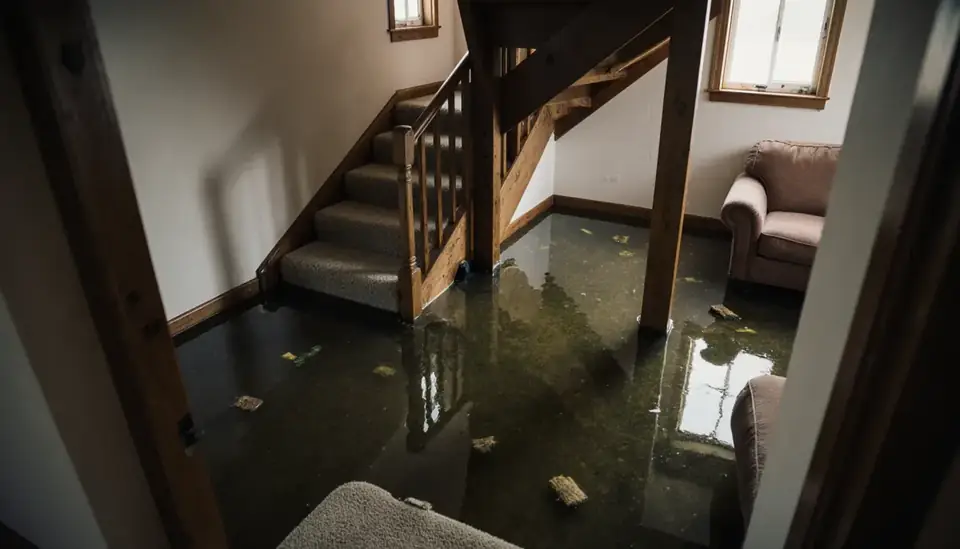
Estacada began as a camp for the workers who built a hydroelectric dam on the Clackamas River, and the river still defines the town. River Mill Dam sits right at Estacada, the Mount Hood National Forest wraps around to the north and east, and the city collects close to 58 inches of precipitation in an average year, noticeably more than Portland 30 miles to the northwest. Snow is rare at about an inch a year, but cold snaps are not: the local record low is two degrees below zero.
Nobody from The Restoration Job will show up at your door; the service is a free connection line. Dial (888) 317-9980 and the line will put you in touch with an independent restoration company that covers Estacada and the upper Clackamas valley. Pricing, scheduling and the work itself are arranged between you and that company.
How the call works: when you call (888) 317-9980, The Restoration Job connects you with an independent restoration provider that serves Estacada. That provider inspects the damage, explains the scope and quotes the work. The Restoration Job doesn't perform restoration itself. Read our referral disclosure.
Living Below the Upper Clackamas Dams
The Clackamas River runs about 83 miles from the Cascades to the Willamette, passing through North Fork Reservoir and Faraday Dam before it reaches River Mill Dam at Estacada. Those dams were built for power, not flood storage, so a big winter storm in the mountains still shows up downstream. At the gauge about a mile and a half northwest of town, the river averages around 2,750 cubic feet per second, while the highest flow on record there is 86,900. That spread, roughly thirty times the norm, tells you how much a few days of heavy rain on the upper basin can move.
Most homes in town sit above the river on the terrace, so the more common problems are runoff and seepage rather than open river flooding. Properties on lower ground near the river or Eagle Creek should check the FEMA flood map rather than assume.
Wet Winters, Heavy Timber and Roof Leaks
Fifty-eight inches of rain a year is a lot of water to shed. Tall firs and maples drop needles and leaves into gutters all fall, and a blocked downspout during a multi-day storm sends water over the fascia and down the wall. Windstorms can also put limbs through roofs. A storm damage cleanup after a tree strike usually starts with tarping and board-up, then moves to extraction and drying of the attic insulation, ceilings and walls underneath.
- Clean gutters after leaf drop and again in midwinter.
- Look in the attic after the first big storm of the season for stained sheathing or damp insulation.
- Photograph roof damage from the ground before anything is moved; insurers ask for it.
Cold Snaps on the Edge of the Cascades
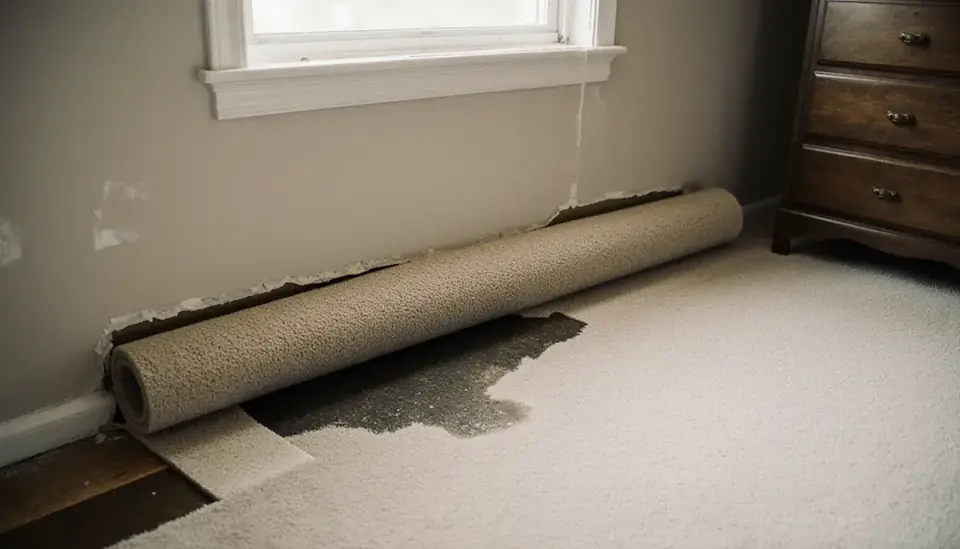
Housing around Estacada mixes older homes near downtown with newer houses and rural properties outside city limits. Pipes in exterior walls, unheated crawl spaces and pump houses are the weak points when an arctic outbreak settles over the foothills. A cracked line can leak for hours before anyone notices, especially in a part-time cabin or a shop building. Shutting off the main, opening faucets to drain the lines and calling for water extraction quickly limits how far the water spreads into subfloor and framing.
How a Restoration Company Handles an Upper Valley Job
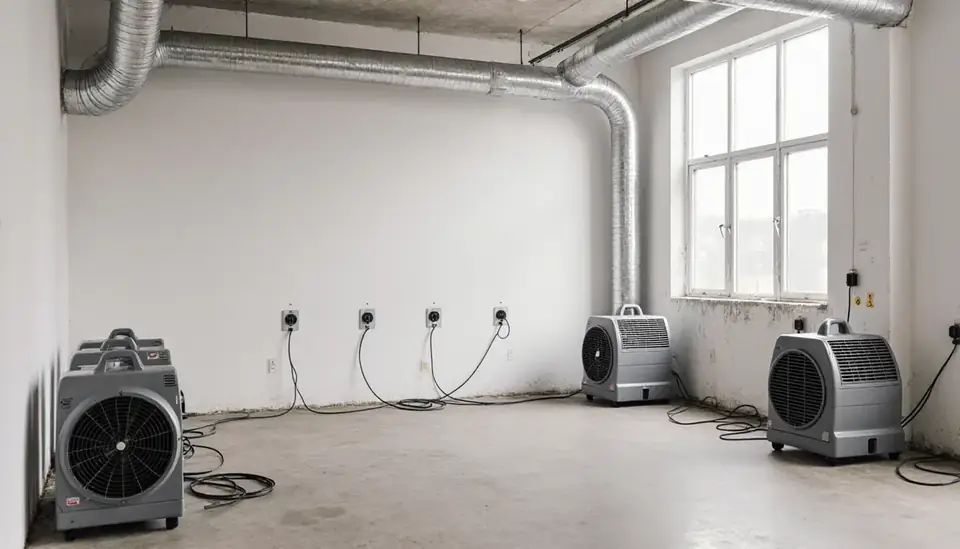
Distance matters out here. A provider coming from the metro area may need a little longer to arrive, so it helps to do what you safely can first: stop the water, switch off power to wet areas, move furniture and rugs, and take photos. When the crew arrives, expect moisture readings across floors and walls, removal of wet carpet pad and swollen baseboards, and a drying setup of air movers and dehumidifiers that stays several days. Ask for the daily moisture log; it is what shows your insurer the job was finished properly.
River or creek floodwater is handled differently from a clean pipe leak. It carries silt and bacteria, and soaked drywall, insulation and carpet are normally discarded rather than dried.
Mold Pressure in the Wettest Corner of the Metro
With more rain than most of the Portland area and long gray stretches from November through March, moisture lingers in Estacada homes. Bathrooms without working fans, closets on exterior walls and crawl spaces with torn vapor barriers are the usual places mold shows up. Visible growth on more than a small patch, or a musty smell that comes back after cleaning, points to a moisture source that needs fixing. A provider offering mold remediation will isolate the area, remove what cannot be cleaned and dry the structure before rebuilding.
Alerts and Flood Preparation Through the County
The City of Estacada's emergency page focuses on wildfire and extreme heat, and it points residents to Clackamas County's PublicAlerts for critical notices. For floods, Clackamas County Disaster Management partners with fire districts on sandbag sites and keeps a flooding page with safety guidance, including the reminder that six inches of moving water can knock a person down. The county's own record notes that the 1964 Christmas Flood destroyed about 40 homes near Brightwood, a reminder that Cascade-foothill communities are not immune.
Estacada Neighborhoods and Surrounding Towns
The same line also serves nearby communities such as:
- Eagle Creek
- Barton
- Carver
- Boring
- Sandy
- Oregon City
Estacada Water Damage Questions
Do the dams near Estacada prevent flooding?
Not in a reliable way. River Mill, Faraday and the North Fork dam on the Clackamas were built for hydropower, and their reservoirs are small compared with the volume a major storm produces. The river gauge near town has recorded flows around thirty times the average. If your property is near the river or a creek, check the FEMA flood map and consider flood coverage, which homeowners policies do not include.
Why does my Estacada home seem damper than friends' homes in Portland?
Estacada averages almost 58 inches of precipitation a year, considerably more than the valley floor, and the surrounding forest keeps humidity up. That means crawl spaces, attics and exterior closets stay wetter for longer. Good gutters, working bath fans, a sound vapor barrier and running a dehumidifier in problem rooms make a real difference, and any active leak should be dried promptly.
Will a restoration provider come out to rural property past town?
Many independent providers that serve the Clackamas County foothills do cover rural roads, cabins and acreage, but travel range varies by company. When you call (888) 317-9980, give the full address and describe the access so you are matched with a company that works that area.