
Two big rivers meet the city here. The Willamette runs north through the middle of Eugene, the McKenzie joins it a few miles downstream, and Amazon Creek carries runoff from the south hills near Spencer Butte across town toward Fern Ridge Reservoir. Most of the time these waters stay in their channels, thanks largely to upstream Army Corps dams. The trouble Eugene households actually call about is usually closer to home: a crawl space that never dries out between November storms, a ceiling stain under a tired roof valley, or a supply line that let go in an apartment upstairs.
The Restoration Job does not do the repair work itself; it is a free referral line answered around the clock. Call (888) 317-9980 and we will connect you with an independent restoration provider that works in Eugene. That company inspects the damage, explains the drying plan and prices the job with you directly.
How the call works: when you call (888) 317-9980, The Restoration Job connects you with an independent restoration provider that serves Eugene. That provider inspects the damage, explains the scope and quotes the work. The Restoration Job doesn't perform restoration itself. Read our referral disclosure.
Reading the Willamette Gauge at Eugene
The National Weather Service keeps a forecast point on the Willamette at Eugene, and its stage notes are a useful plain-language guide. At 18.5 feet the river is at bankfull, and parks and trails right along the water start to flood. At 23 feet the forecasters expect widespread flooding of several roads and low-lying areas in and near the city. At 26 feet, moderate flood stage, the expected flooding stretches from the Ferry Street Bridge to Belt Line Road, with the right bank in Springfield affected as well.
The highest crests on record at this gauge are 24.8 feet in February 1961 and 24.3 feet in December 1964. More recently the river reached 21.7 feet on April 9, 2019. Those numbers sit well below the levels that would put the river into most neighborhoods, but they show that the Willamette still runs high in a wet spring, and homes in River Road, Santa Clara or along the riverfront paths should take a forecast of rising water seriously.
Amazon Creek's Concrete Channel and the West Eugene Lowlands
Amazon Creek is the waterway that shapes daily drainage in much of town. It starts in the southeast hills, runs through Amazon Park and then into a concrete channel about 1.75 miles long beginning at 24th Avenue. The Army Corps of Engineers widened and straightened the creek from Hilyard Street out to Fern Ridge starting in 1946, and the project, finished in 1958, was designed around a 25-year flood. The creek collects runoff from roughly 21 square miles of streets, roofs and storm drains.
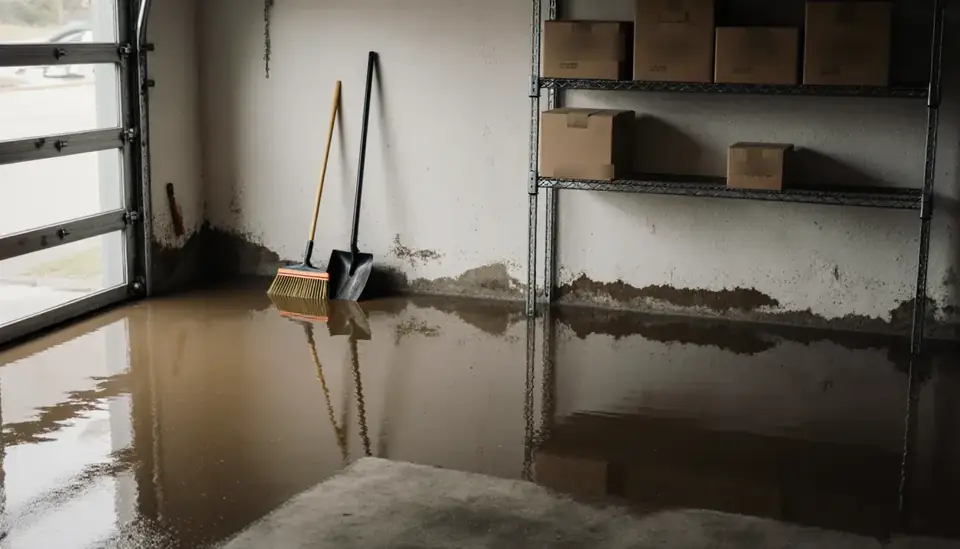
That design works well for ordinary storms. During a long atmospheric-river event, though, storm drains in flatter parts of west Eugene and the Bethel area can back up faster than water reaches the channel, and garages, slab edges and low crawl-space vents take on surface water. Water that has run across streets or come up through drains is not clean. Carpet pad, insulation and the bottom of drywall it soaks usually come out, which is where a proper flood cleanup differs from mopping up a sink overflow.
Renters, Rentals and Shared Walls in a Half-Renter City
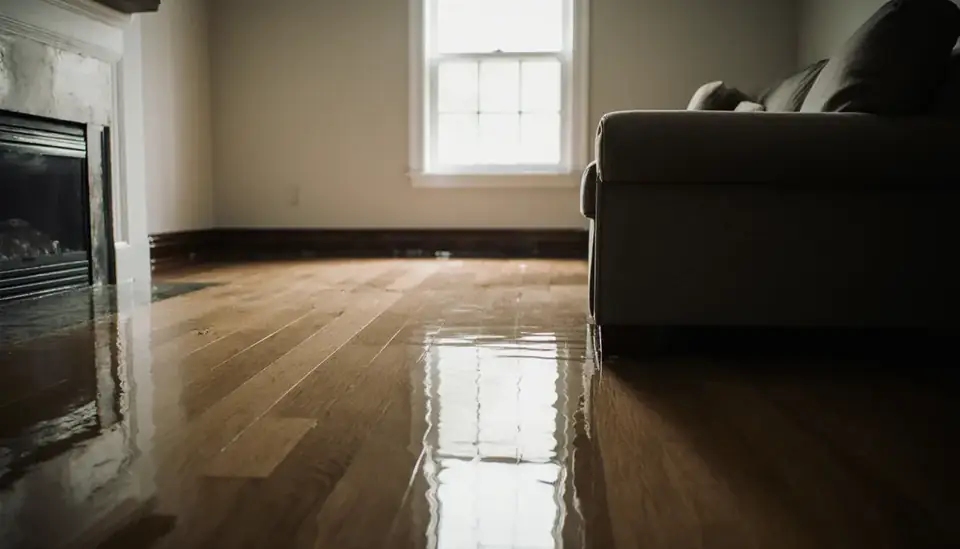
According to the 2020 census, a little over half of Eugene households rent. In the West University and South University areas near campus, and in the many duplexes and older houses split into units, a leak rarely stays in one space. A failed water heater or a dishwasher line in one unit can wet the ceiling or shared wall of the next before anyone notices.
- Tenants should tell the landlord or property manager in writing right away and take photos; your renters policy covers your belongings, not the building.
- Owners and managers should get a provider out quickly, since the building owner usually controls the structure and the repair.
- Ask for moisture readings in adjoining units and below, not just the room where the water showed up.
Fast, documented water damage restoration keeps a small leak from turning into a dispute over who let it sit.
What a Drying Job Looks Like Here in Winter
Eugene averages roughly 40 inches of rain a year, with long stretches of light, steady rain in fall and spring and most of the total arriving in the cooler months. Snow is usually light, with a median seasonal total of zero, but the city has had real winter storms, including more than 41 inches of snow in late January 1969 and a record low of 12 below zero in December 1972. Hard freezes like those split pipes in exterior walls and unheated crawl spaces.
When the outdoor air is cold and saturated, opening windows does little. A restoration crew will typically extract standing water, open up wet cavities, set dehumidifiers and air movers sized to the space, and check moisture in framing and subfloors each day until readings come back to normal. In homes with crawl spaces, that check should include the joists and the vapor barrier, since water that runs down a wall often ends up there.
Mold After a Long, Gray Wet Season
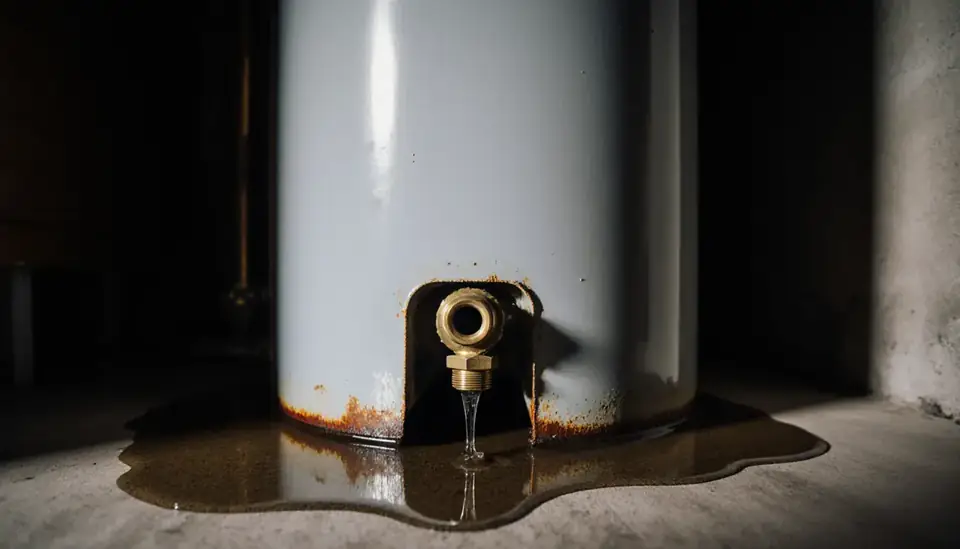
Months of damp weather mean wet materials here do not get much help from the climate. Drywall, cabinet backs and subfloor sheathing that stay wet for a couple of days can start growing mold, and crawl spaces under older bungalows in neighborhoods like Whiteaker, Jefferson Westside and Fairmount are classic spots for hidden growth after a slow plumbing leak. A persistent musty smell is the usual first clue.
Drying quickly prevents most of it. Where growth is already established, the fix is containment and removal of the affected material rather than spraying and painting over it. That process is described on our mold remediation page.
Areas In and Around Eugene
Calls come in from across Eugene, including:
- Whiteaker
- Jefferson Westside
- Fairmount
- South University
- West University
- Friendly
- Bethel
- River Road
- Santa Clara
- Cal Young
- Southwest Hills
- Harlow
The same line also serves nearby communities such as:
Frequently Asked Questions
Does Fern Ridge Reservoir protect Eugene from flooding?
Fern Ridge Dam was built by the Army Corps of Engineers in 1942 on the Long Tom River, and the reservoir is drawn down after September to hold winter runoff. It mainly helps the Long Tom and Amazon Creek drainage west of town. The Willamette through Eugene is managed by other upstream dams. Neither system removes the risk of storm-drain backups or local ponding during heavy rain.
Water is dripping through my ceiling in a campus-area rental. What should I do first?
Turn off power to any wet area if it is safe, move your things out of the drip, and photograph everything. Then notify your landlord or property manager in writing. The owner generally arranges structural drying and repairs, while your own renters insurance, if you have it, deals with your belongings. Keep receipts for anything you have to replace or any place you stay.
How do I find out whether my Eugene address is in a mapped flood zone?
Search your address on FEMA's Flood Map Service Center, which publishes the official flood insurance rate maps. Keep in mind that a standard homeowners policy does not cover flooding from rivers or surface water, whatever the map says, so a separate flood policy is the only way to insure against that. Signing up for Lane Alerts also gets you county emergency warnings by text or phone.
Is water from a backed-up floor drain treated differently from a burst pipe?
Yes. A burst supply line releases clean water, and materials it wets can frequently be dried where they are when someone starts within a day or so. Water that came up through a floor drain, toilet or storm drain is treated as contaminated, so porous materials it touched are usually removed and the area cleaned and sanitized before drying. A provider will explain which category applies after inspecting the source.